Dementia and Intellectual Disabilities

Dementia and Intellectual Disabilities

Written by Craig Escudé, MD FAAFP, FAADM, September 2023.

Dementia can be a pretty scary thing for anyone. For people with disabilities, changes or a decline in cognitive functioning can be quite challenging to recognize, especially in people who do not use words to communicate.

When we are looking to diagnose dementia, clinicians frequently use tests like a mental status exam where a person is asked to remember lists of items, draw a picture of a clock with numbers on it, and recall current events like naming the current president and the city and state where they live.

For some with disabilities, questions like these may not have ever been able to be successfully answered due to a different baseline of knowledge and comprehension.

So how, then, can we attempt to accurately diagnose dementia in people with differing levels of cognitive baseline functioning? 

One way to do this is to look at changes in functional status over time. There is a tool developed by the National Task Group (NTG) on Intellectual Disabilities and Dementia Practices called the Early Detection and Screen for Dementia (EDSD) (i), which is specifically geared to help assess levels of functional decline over time in people with intellectual and developmental disabilities. This tool is designed to be used by family members and other supporters. Looking at serial measurements annually or every six months can help determine if a person is having a functional decline, but does this mean that the person definitely has dementia? No, it does not. Ruling out other causes for symptoms consistent with dementia is also very important. Mental health conditions, untreated sleep apnea, metabolic toxicity including alcohol, medication side effects, vitamin deficiencies, brain tumors, and thyroid, kidney, and liver disease can all present with signs resembling dementia. However, having the type of information that the EDSD can provide can be very helpful to a clinician in determining whether or not a person has evidence of dementia. When we see changes in cognition, we should never hastily conclude that it is due to dementia but instead look for treatable underlying causes such as those mentioned above. Working with a clinician knowledgeable about dementia in people with disabilities is advisable.

People with Down Syndrome are at a much higher risk of Alzheimer’s type dementia. People with Down Syndrome have an extra copy of chromosome 21, which also carries a gene responsible for producing a protein called amyloid precursor protein. Too much buildup of this protein in the brain leads to beta-amyloid plaques, which are implicated as a significant cause of Alzheimer’s disease. It is estimated that 50% or more of people with Down Syndrome will develop Alzheimer’s, and they are more likely to develop it earlier than those without Down Syndrome. It’s recommended that screening for dementia using a tool like the EDSD be started at age 40.

There have been significant advances in research on Alzheimer’s disease, including the development of blood tests and more sensitive brain scans that can help diagnose Alzheimer’s dementia. While these tests are currently not available everywhere, soon, we should have widespread availability of blood testing to diagnose the condition. There have also been advances in medication treatment options for dementia, and current trials are promising for the availability of effective treatment options in the near future. As with any new treatment, caution is warranted before starting medications, and one should always weigh the risk and benefits of treatment and include frank discussions with the clinician, the person for whom treatment is being considered, and the person’s support network to help ensure that the best decision is made for each individual person.

People who are supporting those with dementia also need support. The NTG also has a Family Support Committee. Activities of the committee include providing written and public comments on federal issues related to dementia, an inclusive, monthly, national online support group for family caregivers, and participating in a Facebook group for caregivers and professionals supporting individuals with Down Syndrome and Alzheimer’s disease. You can learn more about the NTG Family Support Committee by visiting www.the-ntg.org/family-caregivers.

Realizing that someone we love is showing signs of dementia can spark a wave of fear and anxiety. Ensuring a proper diagnosis, involving compassionate clinicians, and aligning ourselves with others facing similar situations can help us gain understanding and position ourselves to continue to grow and thrive in a life that, despite challenges, is filled with many joys and blessings.

Photo Credit: 2024 Rick Guidotti,Positive Exposure. All Rights Reserved. 

References: 

[i] National Task Group on Intellectual Disabilities and Dementia practices. NTG – Early Detection and Screen for Dementia. (NTG-EDSD)

[ii] National Institute on Aging. 2020. Alzheimer’s Disease in People With Down Syndrome

How Healthcare Technology Shapes the Lives of People with Intellectual and Developmental Disabilities

How Healthcare Technology Shapes the Lives
of People with Intellectual and Developmental Disabilities

Written by Dr. Craig Escudé

People with intellectual and developmental disabilities (IDD) experience numerous challenges accessing healthcare and receiving services and supports that result in poorer overall health, lower life expectancies, and reduced possibilities to live a full life of their choosing. Technological advances are facilitating earlier detection of illnesses that are often missed and improving health outcomes for a population with significant health disparities. These advances additionally have widespread applicability extending to people who are aging, people with cognitive decline, traumatic brain injury, and other differences.

Health Risk Informed Telemedicine™

The Health Risk Screening Tool (HRST) is a web-based application used to screen for health risks in people with IDD. Supporters of people with IDD answer simple health-related questions about the person they support, and the tool then provides a person-specific health risk profile to enlighten support teams and clinicians. Beyond identifying those risks, the HRST delivers action steps specific to the person’s risk profile that supporters utilize to mitigate those risks. Using this tool helps supporters to recognize signs of illness sooner and empowers them to act upon them with confidence. Earlier identification of health conditions leads to better outcomes.

In a new health model called Health Risk Informed Telemedicine™, IntellectAbility’s HRST risk profile technology is being integrated into telehealth companies’ electronic health record platforms like StationMD that provide vital telemedicine services to people with IDD. The telehealth clinician then has access to their patient’s most significant health risks, enabling them to make better-informed decisions about the person.

“Watch” That Seizure

Did you know your watch can detect seizures? Electronic watches with motion sensors can detect body movements consistent with seizure activity. They can alert staff or family members of the possible seizure and prompt a check-in on the person.

Improving Safety and Accuracy with Medication Usage

People with IDD often rely on medications to treat health conditions. Still, delivering those to the person can be complex, especially in enterprise settings like group homes and supported living arrangements when relying on others to assist in administration, record keeping, and other related processes.

Technology, through the use of apps tailored to IDD Residential workflows along with their app-connected medication boxes that only provide access to the right medications, at the right times, for the right people, can dramatically improve medication and regulatory compliance and independence for the individual.

Additionally, this technology, such as that from ImpruvonHealth, can drastically reduce the number of medication errors, improve safety, and reduce the time needed by nursing and direct support staff to deliver medication to the person.  

Monitoring From Afar

Remote monitoring systems can enable people who need extra support to live more independently. They may come in the form of web-connected alarms that can alert a support staff member if the oven is left on, if a smoke alarm goes off, and if a person falls. Or, they can prompt people to perform activities such as daily grooming or taking their medication at the right time, allowing them to live more independently without having someone in their home 24/7.

The independence gained from utilizing such supports can be life-changing to the person, allowing for more privacy and independence while still assuring safety. Companies like SimplyHome focus on using these remote supports to improve independence for people with IDD.

What Did You Say?

Everyone communicates. We may not all use words, but we all definitely communicate. People with IDD can frequently comprehend more than most people assume, but they may not be able to communicate effectively through speaking and writing. However, there are technological advances that improve their ability to communicate.

There are numerous devices that can facilitate communication, as well as apps that can be used on tablets and phones to assist someone who has a limited ability to use words to communicate to be able to type in words or utilize pictures to communicate more effectively with others.

Getting From Here to There

There are also apps that have been developed to assist people with IDD to navigate more successfully in their communities. Other apps can prompt them to stay on task and digitally connect to a virtual job coach when they need support at work. Apps like these help foster greater independence while reducing the need for paid, in-person support during these activities.


Technology is advancing in so many ways and at such a pace that one can only imagine the future. I encourage “techies” out there to give attention to research and development of technology related to improving health, wellness, freedom, and independence for some of society’s most at-risk. And to take it one step further, imagine what collaboration between these different technologies could offer.

Unlocking Behaviors: Gastrointestinal Distress

Unlocking Behaviors: Gastrointestinal Distress

Co-written by Risley “Ley” Linder, MA, MED, BCBA & Craig Escudé, MD, FAAFP, FAADM

This article is part of a co-authored series on behavioral presentations in which a physician and a behavior analyst provide insight into real-life case studies to share their expertise on how behavioral issues can be addressed in an interdisciplinary fashion.

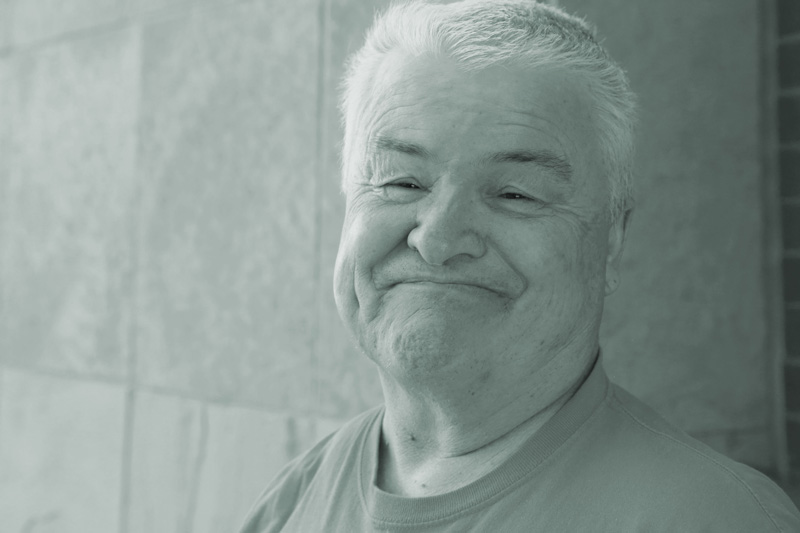
Rick is a 43-year-old man with a moderate intellectual disability. He is very active and is described as a “high-energy” person. He was transferred to a new group home after his last one closed due to the inability to find enough staff to meet the needs of the people they supported. It was immediately noted by the new support team that Rick frequently searched for things to eat, and most of it was not food. He would look for objects on the ground, find whatever he could, and eat them. A repairman was working on the heater, and Rick managed to grab a small screw and swallow it before anyone could stop him. There was a tear in the vinyl flooring in his room, and staff noted one morning that the tear was a bit larger. Later, they saw him picking the flooring, breaking small pieces off, and eating them.

His staffing needs increased to monitor him more closely and prevent him from ingesting harmful objects. His level of aggression began to increase as staff would attempt to keep him from eating non-food items.

Photo Credit: 2023 Rick Guidotti, Positive Exposure. All Rights Reserved.

Medical Discussion

Eating things of non-nutritional value or non-food items is called pica. People may search for objects on the ground, pull stuff off the wall, or constantly search for some object to chew or swallow. It is more commonly seen in children, pregnant women, and people with conditions such as autism, intellectual disabilities, and schizophrenia. Many forms of pica involve one particular item that a person ingests. 

Examples include:

  • Chalk
  • Clay
  • Dirt
  • Coffee grounds
  • Ice
  • Paper.
pica definition examples

Sometimes pica is associated with underlying medical conditions. One of the more commonly seen conditions in the general population is iron deficiency which may be associated with an ice pica.

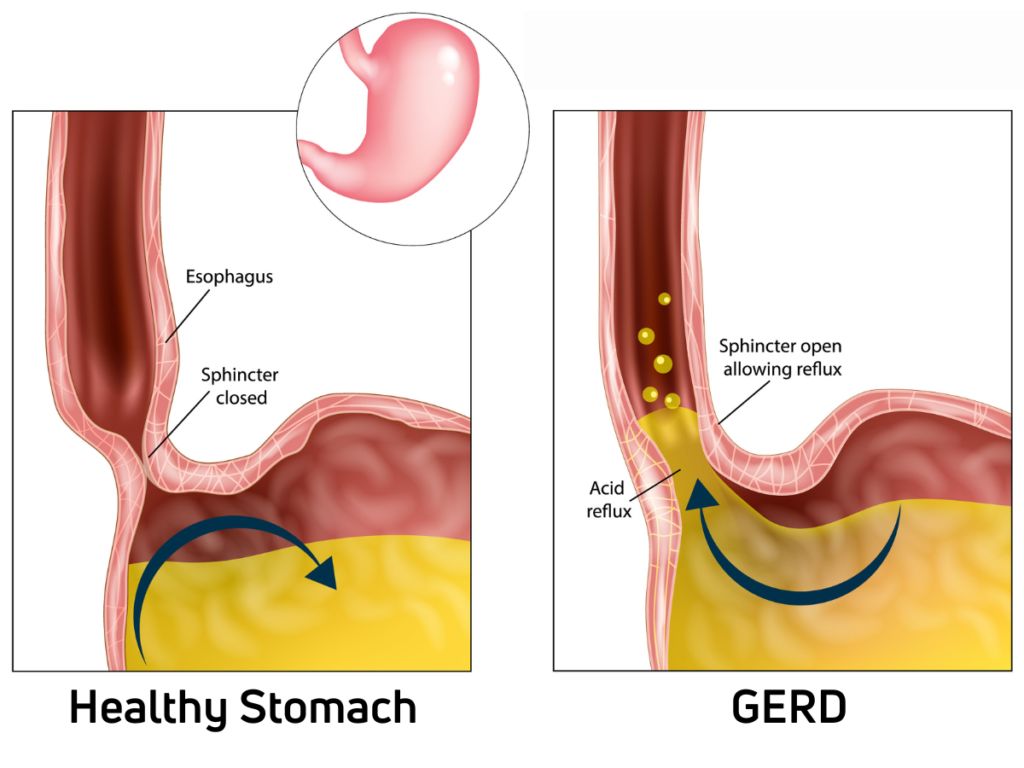
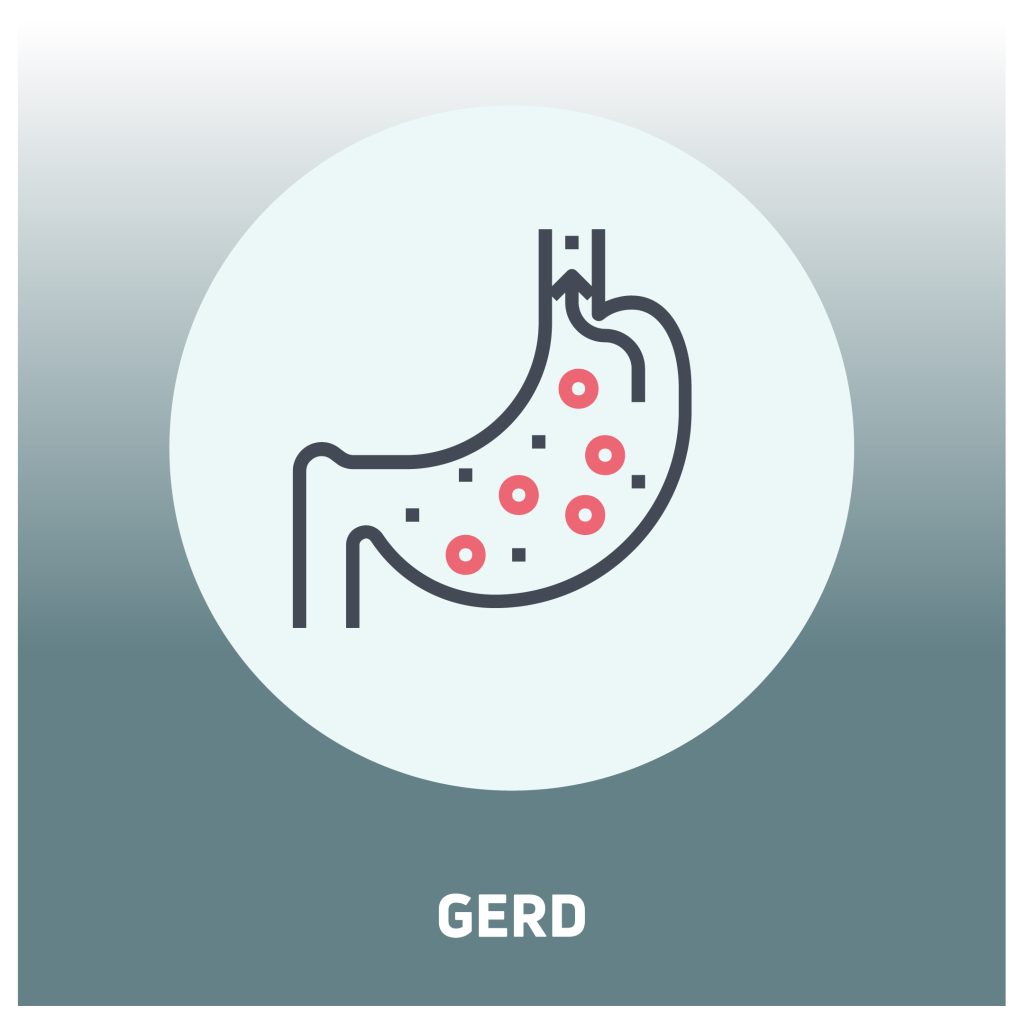
In people with intellectual and developmental disabilities, a condition that is noted to be commonly associated with pica behavior is gastroesophageal reflux disease (GERD). One suspected reason for this association is that a person learns that if they swallow more frequently, the acid that causes the pain is washed back into their stomach. They then begin looking for items to eat to stimulate salivation to wash down the acid.

Another commonly seen presentation of GERD is someone who likes to chew on a sock or other object. If you support someone who does this or has pica behavior, you might consider asking for an evaluation for GERD. They may be chewing to stimulate salivation to wash the acid down to relieve pain. Consideration should also be given to checking for Helicobacter Pylori infection, which has been implicated as a cause of GERD.

Behavioral Discussion

When examining pica behaviors, the first question is, “Are there immediate health and safety concerns?” As a few quick examples, is the person in immediate danger from consuming toxic chemicals, uncooked food, sharp items, or unknown items/substances? If so, medical assistance should be sought immediately.  

Second, “What is the historical dynamic of this behavior?”  

In the case of Rick, long-term pica behaviors can result from undiagnosed/untreated medical conditions in conjunction with learned behaviors that actually have logic in their engagement. 

To continue with Dr. Escudé’s point, if a person consumes the brittle, chalk-like substance comprising drywall, they can learn that this eases the discomfort in their stomach, throat, and mouth (e.g., GERD symptoms). The presentation we, as behavior analysts hear is, “They are eating the walls!”  In reality, they have found an “antacid” in their environment that is managing the discomfort they are experiencing.

Behaviorally, pica behaviors should be presumed to require a multidisciplinary approach until proven otherwise. The rare but eye-catching “Rapunzel Syndrome” illustrates how pica behaviors are complex and require insight from various professionals. The combination of trichotillomania (pulling out your hair) and trichophagia (chewing/consuming hair) requires a multi-faceted plan of care that requires behavioral management, psychiatric consultation for potential underlying diagnosis, routine primary care check-ups, and crisis management for potential medical needs – to name a few. 

Chronic pica behaviors can be reduced, particularly if the underlying cause is related to a medical condition. However, the person may still exhibit the pica behavior “out of habit.”   Using the example of a person consuming drywall, they have learned that this behavior effectively alleviates the discomfort they feel. At the beginning of treatment (e.g., taking medication), they may continue to engage in the behavior, as they have to learn that taking medication is a more effective means of reducing discomfort. The person should be monitored after the introduction of a medication to see if the behavior decreases, stops, or even increases, as the medication type, dosing, or other factors may not be the “right fit.”  In other words, if the medication is ineffective in reducing the discomfort, the pica behavior will likely continue. 

If the behavior abates after the introduction of any intervention (e.g., medical and/or behavior) but suddenly re-appears, there could be an acute stimulus that is exacerbating the existing diagnosis and should be evaluated by a medical professional. The pica behavior should also be considered as potentially indicating other medical concerns as the person may have generalized the pica behaviors using the logic, “Well, this helped me the last time my stomach hurt.”

Outcome

Thanks to an astute direct support professional and a responsive team that was aware of the association between pica and GERD, Rick was taken to see a gastroenterologist who performed an endoscopy. He noted numerous gastric and esophageal erosions consistent with GERD. Rick was started on a proton pump inhibitor, and over the next several weeks, his pica behavior slowly lessened. His suffering from GERD symptoms, his overall health risk, and the need for additional staffing were all reduced, resulting in improved quality of life for Rick, his supporters, and the support agency.

Author Bio: 

Ley is a Board-Certified Behavior Analyst with an academic and professional background in gerontology and applied behavior analysis. Ley’s specialties include behavioral gerontology and the behavioral presentations of neurocognitive disorders, in addition to working with high-management behavioral needs for dually diagnosed persons with intellectual disabilities and mental illness. He is an officer on the Board of Directors for the National Task Group on Intellectual Disabilities and Dementia Practices, works closely with national organizations such as the National Down Syndrome Society, and is the owner/operator of Crescent Behavioral Health Services based in Columbia, SC. 

Dr. Craig Escudé is a board-certified Fellow of the American Academy of Family Physicians and the American Academy of Developmental Medicine and President of IntellectAbility. He has over 20 years of clinical experience providing medical care for people with IDD and complex medical and mental health conditions. He is the author of “Clinical Pearls in IDD Healthcare” and developer of the “Curriculum in IDD Healthcare,” an eLearning course used to train clinicians on the fundamentals of healthcare for people with IDD. He is also the host of the “IDD Health Matters” podcast.

Unlocking Behaviors: Dental Health

Unlocking Behaviors: Dental Health

Co-written by Risley “Ley” Linder, MA, MED, BCBA & Craig Escudé, MD, FAAFP, FAADM

Published by Helen Journal

This article is part of a co-authored series on behavioral presentations in which a physician and a behavior analyst provide insight into real-life case studies to share their expertise on how behavioral issues can be addressed in an interdisciplinary fashion.

When it came to tennis, 37-year-old Tim was a huge fan. He loved watching how fast the players hit the ball back and forth, especially his favorite player Roger Federer. He knew the general timing of the US Open and other major tennis events and would watch as many matches as possible.

Tim enjoyed snacking on almonds and other nuts while watching tennis. One year, during the US Open, he decided he didn’t  want almonds and even knocked them off the table a couple of times. He began to get a bit agitated at various times of the day or night, and his support staff wasn’t sure  what was going on. After a few weeks, Tim became quite a challenge, hitting out at others, wanting to stay in his room more, and even eating less.

Tim was taken to his primary care physician for an evaluation. He underwent a physical exam, and nothing unusual was found except for a 5-pound weight loss since his last visit six months prior. Because of his agitation, he was then seen by a psychiatrist. Staff were concerned that he was endangering himself and others during his episodes of agitation. He was started on psychotropic medication in an attempt to reduce his aggression. It seemed to work for a while, but then the agitation ramped up again. After several psychiatry visits and medication adjustments, the recommendation was made to move Tim to an in-patient psychiatric setting for evaluation.

A relatively new nurse who had recently attended a conference about behavioral changes in people due to underlying medical conditions attended Tim’s final team meeting before he was to be committed. She recalled hearing at the conference how dental issues can cause agitation. She recognized that Tim had not had a dental evaluation in the last three years because of COVID restrictions and his inability to wear a mask. 

Medical Discussion

Primary care physicians are not dentists. (No surprise there). But in the situation described above, primary care clinicians are often asked to evaluate a person with a change in behavior to rule out underlying medical causes. Most people, if they have tooth pain, automatically know to see a dentist and don’t show up at the family physician’s office for an evaluation. But for many people with a limited ability to use words to communicate, agitation is often the first indicator of discomfort, and the initial assessment is usually by a primary care clinician or a psychiatrist. Primary care clinicians aren’t necessarily used to thinking about dental causes of pain because most people will go to the dentist first. 

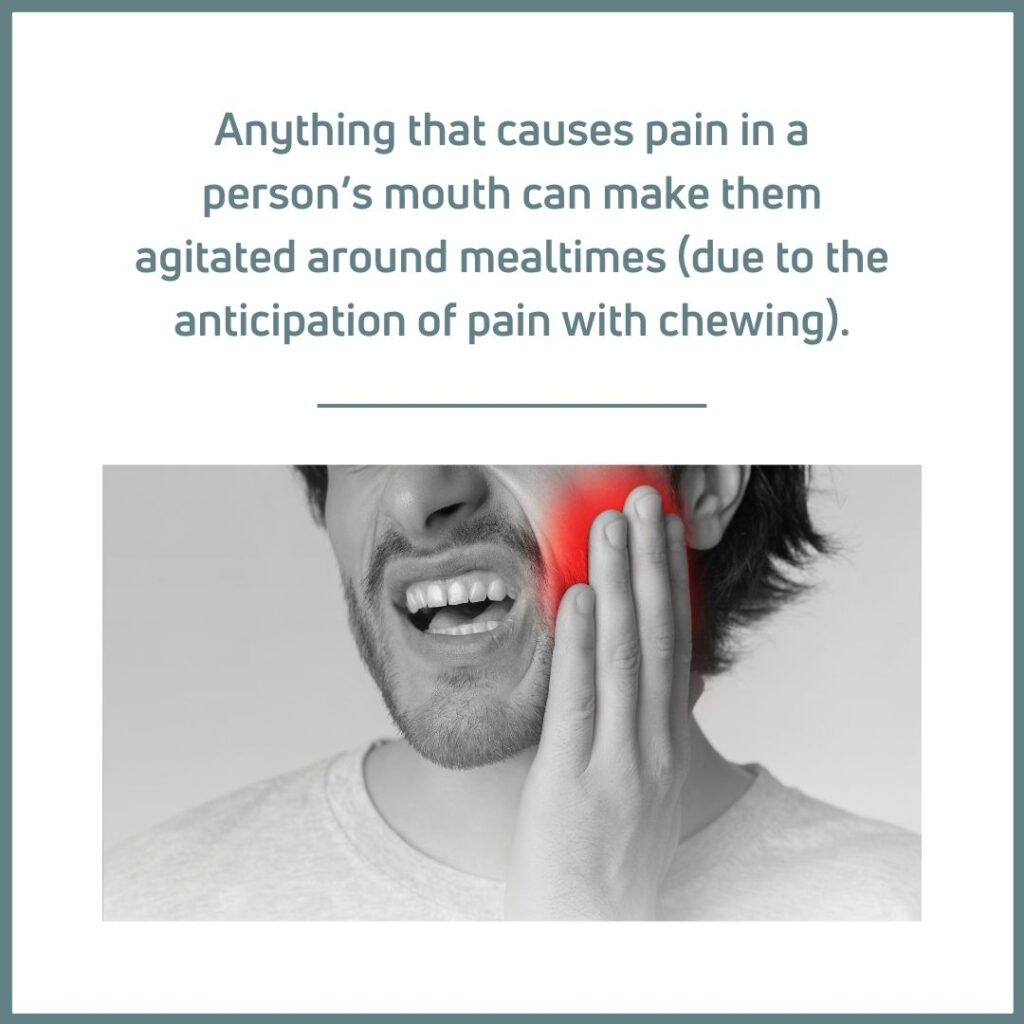
Anything that causes pain in a person’s mouth can make them agitated around mealtimes (due to the anticipation of pain with chewing). They can also spit out food, prefer soft foods over crunchy foods, refuse to go to the dinner table, refuse oral care, and can even be aggressive.

Behavioral Discussion

Tim’s decreased desire to snack on nuts and watch the greatest tennis player of all time is an entirely preventable situation. Dr. Escudé listed a few behaviors that can happen when a person has pain and/or discomfort in their mouth. It’s  important to recognize these types of behaviors, but Tim’s situation allows us to discuss another area of behavior: acute vs. chronic behaviors. 

Acute vs. Chronic Behaviors

Tim’s preference for snacking on nuts and watching tennis is something that had occurred for many years, and there was an acute change in behavior.

Tim’s acute change in behavior was characterized by changes in:

  • Preferences
  • Routines
  • Medical issues, such as unintended weight loss. 

Sudden changes in behavior and/or new behaviors are more likely to happen because of changes in a person’s environment (e.g., new job) or medical issues (e.g., toothache), as opposed to more chronic issues (e.g., psychiatric symptoms). 

For Tim, having never been prescribed psychotropic medications, the acute onset of psychiatric symptoms in middle age is not a likely cause for the change in food and activity preferences.  

Observing and Assessing

When observing and assessing acute onset behaviors, thinking about three key areas is important. 

  1. First, has anything changed in their environment? Can we clearly identify a change that would account for the rapid change in preferences? 
  2. Second, what is the timeline of changes? When did the behavior change(s) start? Sometimes using events instead of time to track changes can be helpful. For example, “Tim was eating nuts while watching Wimbledon in July, but he wasn’t during the US Open in August. What could have happened in the last month?”  
  3. Lastly, it’s important to note if the behaviors happen across time, setting, and people. If they only happen at one particular time, in a specific setting, or with certain people, they are more likely to be environmental, as opposed to medical-based behaviors that are more likely to happen across time, settings, and people.  
Outcome

The nurse recalled what she learned at the conference and recommended that Tim have a dental evaluation before being admitted to the psychiatric hospital. Tim was found to have several abscessed teeth. After they were all treated, his pain resolved. They tapered off his psychotropic medication, and he made up for all the tennis he missed— and the eating. Tim avoided a psychiatric admission and likely additional psychotropic medicines because of the nurses’ insistence on a dental evaluation. 

The Authors

Risley “Ley” Linder 
Ley is a Board-Certified Behavior Analyst with an academic and professional background in gerontology and applied behavior analysis. Ley’s specialties include behavioral gerontology and the behavioral presentations of neurocognitive disorders, in addition to working with high-management behavioral needs for dually diagnosed persons with intellectual disabilities and mental illness. He is an officer on the Board of Directors for the National Task Group on Intellectual Disabilities and Dementia Practices, works closely with national organizations such as the National Down Syndrome Society, and is the owner/operator of Crescent Behavioral Health Services based in Columbia, SC.

Dr. Craig Escudé
Dr. Craig Escudé is a board-certified Fellow of the American Academy of Family Physicians, the American Academy of Developmental Medicine, and President of IntellectAbility. He has more than 20 years of clinical experience providing medical care for people with IDD and complex medical and mental health conditions. He is the author of “Clinical Pearls in IDD Healthcare and developer of the Curriculum in IDD Healthcare,” an eLearning course used to train clinicians on the fundamentals of healthcare for people with IDD.

Clinical Pearls in IDD Healthcare that are Important Knowledge for DSPs

Clinical Pearls in IDD Healthcare that are Important Knowledge for DSPs

I started practicing in the field of healthcare for people with intellectual and developmental disabilities (IDD) in the 1990s. I very quickly realized how little I knew about this field. I found myself being responsible for the healthcare of hundreds of people with IDD without fully understanding many concepts that I later learned were important. Most health professional schools do not provide training about the healthcare needs of people with IDD. 

A “clinical pearl” is a small bit of freestanding, clinically-relevant information based on experience or observation. I thought I’d share with you a few of them that might be very relevant to your role as a DSP.

Over the next several years, I learned much about the health needs of people with disabilities. I learned this information from people I worked with, including many nurses and direct support professionals who had worked in this field for many years. Like I did, they also had to learn things “the hard way” through trial and error, and from other, more seasoned support staff. I took many concepts I had learned and jotted them down into a book called Clinical Pearls in IDD Healthcare. A “clinical pearl” is a small bit of freestanding, clinically-relevant information based on experience or observation. I thought I’d share with you a few of them that might be very relevant to your role as a DSP.

2023 Rick Guidotti, Positive Exposure. All rights reserved. 

Clinical Pearl: Quality of Life

A different quality of life doesn’t mean a lower quality of life. In my practice, I’ve seen people placed in hospice care solely because of their intellectual disability diagnoses. I’ve often been asked, “Why is this person not a DNR [do not resuscitate]?” by clinicians assuming that the person has a poor quality of life simply because they have a disability. In the recent COVID pandemic, we’ve all seen people deprioritized from lifesaving measures, such as intensive care unit (ICU) beds or ventilators, based solely on the fact that a person has a disability. We should not judge the quality of life of another person based on our own definition of what we think that quality of life is.

Clinical Pearl: Documenting the Baseline Level of Functioning of People with IDD

To know if there is a change, we must first know the person’s baseline. A baseline is what the person is currently doing or where they are with a skill. One of the primary indications that a person may be experiencing a medical condition is a change in the person’s level of consciousness or ability to do something. But if we are unaware of the person’s baseline and cannot communicate that person’s baseline to a clinician, subtle changes may go unrecognized. 

For instance, if we know that a person is usually able to eat independently and then begins to need assistance to eat, there could be a medical or dental cause, such as a tooth abscess. But if the person’s baseline is not known, supporters and healthcare professionals may not recognize this change in the person’s level of functioning. For each person you support, make sure you know the baseline level of activity and function – how do they usually do things in their day-to-day lives? It is important that you as a DSP, who knows the person you support, can communicate that baseline to others to facilitate better healthcare outcomes.

Clinical Pearl: Medical Causes for Behaviors in People with IDD

A behavior change is often a sign of an underlying, treatable medical condition. I have often seen new behaviors being attributed to a person’s disability rather than potentially being caused by underlying pain or the onset of a medical condition. A psychological evaluation of the new behavior often follows, frequently resulting in adding a new medication to control the behavior. Numerous medical conditions cause behavioral changes in people unable to communicate with words.

Whenever there is a change in a person’s behavior, one should consider the possibility of underlying pain or a medical condition first.

As a DSP, it is important that you document the behavior, where it happens, and when. This type of information can be critical to other practitioners in finding the root cause of the issue.

Some of the more frequent medical conditions I’ve encountered that have caused behavioral changes in people with IDD include:

  • Undiagnosed dental abscesses causing aggression at mealtimes
  • Sinus infections causing head banging
  • Constipation causing aggression or refusal to eat
  • Urinary tract infections causing agitation and screaming in the bathroom
  • Chest pain where the person was thought to be experiencing panic attacks when they’re actually having angina.

Clinical Pearl: PICA Behavior in People with IDD

Did you know that pica can be associated with gastroesophageal reflux? 

“Pica” is a term used to describe when people eat things of non-nutritional value. People may search for objects on the ground, pull stuff off the wall, or constantly search for some object to chew or swallow. In many cases, this behavior is due to gastroesophageal reflux disease. One suspected reason is that a person learns that if they swallow more frequently, the acid that causes the pain is washed back into their stomach. 

They then begin looking for things to eat to stimulate salvation and swallowing to wash down the acid. Another commonly-seen presentation is someone who likes to chew on a sock or other object. If you support someone who does this, you might consider asking for an evaluation for gastroesophageal reflux disease. They may be chewing to stimulate salivation to wash the acid down to relieve their pain.

Clinical Pearl: The Impact of Active Movement on Bowel Function

Constipation is a big problem for many people with IDD. Any movement involving large muscle groups will inevitably assist with bowel function. One of the things we tell people to do after surgery is to get up and walk around as soon as possible. The reason for this is because walking around can help stimulate bowel function. However, some people with significant physical limitations cannot get up and walk. But did you know that sitting or lying in certain positions can help with bowel function? Being in a prone or belly-down position with proper supports can help stimulate bowel function. 

There’s a position called “quadruped on forearms,” where a person is supported using wedges. I’ve included an image of this position in this article. Some people who cannot walk may be supported in this position. Others may be able to stand using assistive devices. You can speak up for the people you support if the practitioner is not familiar with supporting people with limited mobility. Consulting with a physical or occupational therapist can often help identify ways to stimulate movement that can help improve bowel function.

These are just a few examples of many clinical pearls I’ve learned throughout my years in practice. If you’re interested in learning more, purchase the book Clinical Pearls in IDD Healthcare.

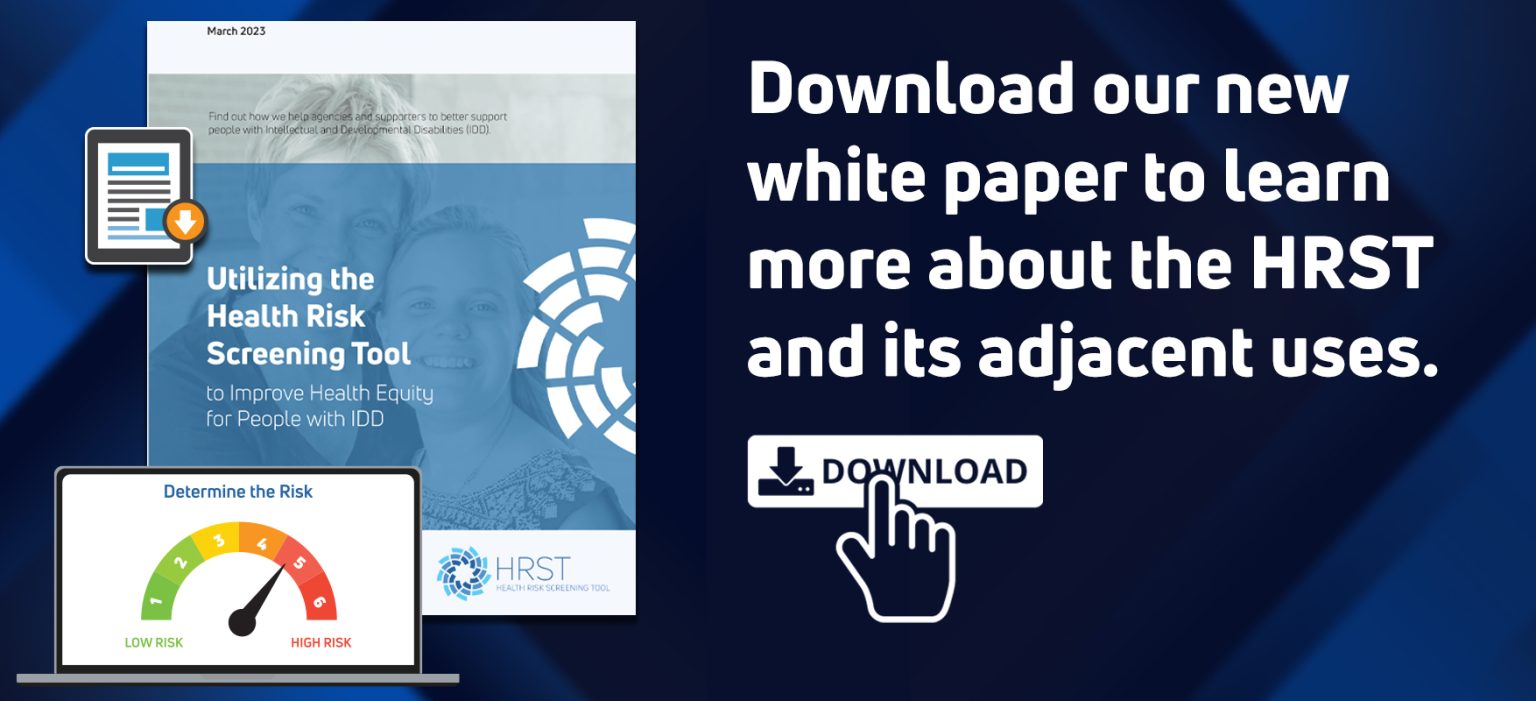
THE NEW HRST WHTE PAPER. IT DETAILS ADJACENT USES OF OUR HEALTH RISK SCREENING TOOL

READ ABOUT THE NEW HRST WHTE PAPER. IT DETAILS ADJACENT USES OF OUR HEALTH RISK SCREENING TOOL (HRST). 3 MIN READ

By Lorene Reagan, MS, RN, Director of Public Relations, IntellectAbility

The Health Risk Screening Tool (HRST) is well known as a validated, time-tested, web-based, data-rich, HIPPA-compliant tool that identifies health risks in people with intellectual
and developmental disabilities (IDD). But did you know that
the HRST is being leveraged in provider agencies and state
agencies nationwide to support other data-driven
activities and processes?

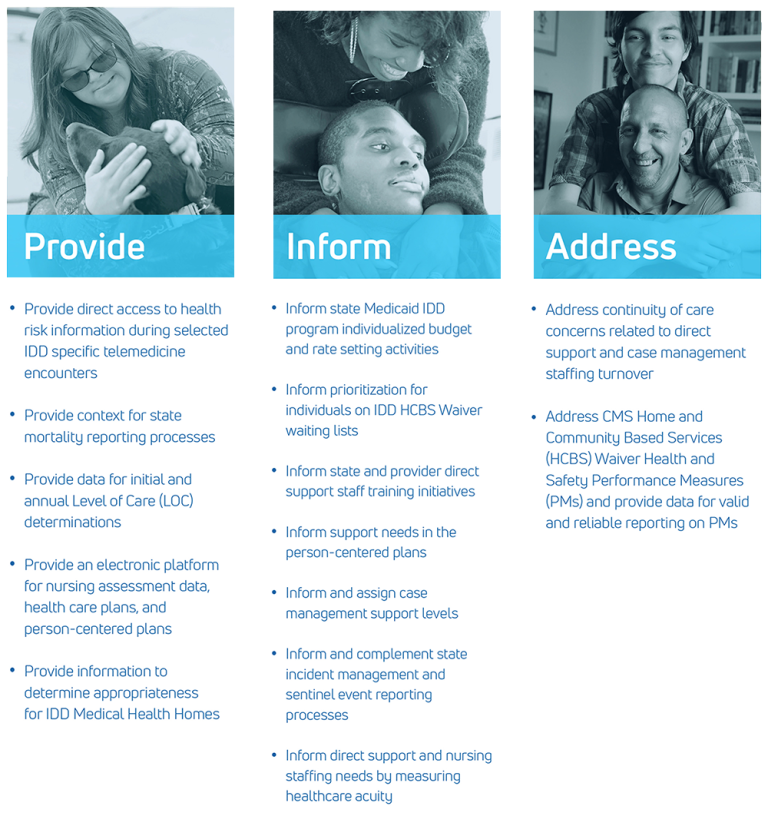
In addition to serving as a 24/7 source of web-based information about a person’s health risk,data from the HRST is being leveraged to:

No other tool exists that can identify often missed health issues in at-risk populations, provide action steps to help mitigate those risks, and assist agencies in prioritizing health and staffing resources by identifying those who require more assistance due to health-related concerns.

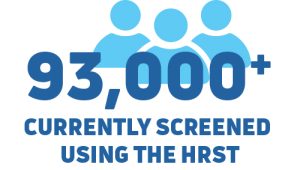
Over 93,000 people with IDD receiving state Medicaid waiver services are currently screened using the HRST. To learn more about how the HRST saves lives, promotes health equity for people with IDD, and informs other key activities, informs other key activities, download the new HRST white paper.

Identifying Hearing and Vision Changes

Identifying Vision and Hearing Changes in People with IDD as They Age

AS MOST OF THIS AGE, WE BEGIN TO EXPERIENCE CHANGES IN OUR VISION AND HEARING.  I  7.5 MIN  

Written by Craig Escudé, MD, FAAFP, FAADM

As most of this age, we begin to experience changes in our vision and hearing. We commonly associate aging with difficulty seeing closer and difficulty hearing. Some with intellectual and developmental disabilities may have trouble communicating these changes, and the first signs of them may appear as changes in their behavior. Let’s talk about what we might observe that could indicate a vision or hearing change in someone with an intellectual disability.

Vision

Several conditions can cause visual changes as we age:

  • Presbyopia – difficulty seeing close due to a decreased lens elasticity, which affects our ability to focus.
  • Age-related macular degeneration
  • Glaucoma
  • Cataracts
  • Diabetic retinopathy

In a person who is unable to communicate changes in their vision using words, we might observe behaviors that involve: 

  • Frequent touching or rubbing of their eyes
  • Finger flapping in front of their eyes
  • Gazing at bright lights
  • A change in their usual head positions including moving their head but not their eyes to look at things
  • Frequent shaking of their head.
  • Visual changes might also present as a person moving their head in a circular motion to find an area of better focus.
  • The person may also put their hand over one eye if they cannot see out of it clearly.
  • Frequent frowning as an attempt to strain to see better.
  • Frequent blinking may also be noted.
  • Problems such as a cataract may cause someone to avoid bright lights or to blink heavily at bright lights.

You might also see dramatic changes in a person’s behavior. They may become upset or anxious for no apparent reason or startled by noises because their vision is affected, and they can’t see what’s happening around them.

Other indications of visual loss include:

  • Not recognizing people unless spoken to because they cannot visually recognize the person.
  • Not making eye contact
  • Staring for long periods at someone as they are trying to figure out who they are.
  • Being startled when approached without being warned.
  • Favoring areas of bright lights or moving objects to areas with better lighting.
  • Having trouble making out items that are similar in color, such as a white plate on a white tablecloth.

You may also see a change in the person’s activities where they:

  • Avoid close-up work because they can no longer see it well
  • May draw tiny pictures or very large pictures
  • May seem to see bright colors better than dark ones
  • Appear to have a short attention span
  • Exhibit poor self-care skills because they can no longer see themselves clearly.
  • Seem anxious or unwilling to walk alone
  • Fall or crash into objects
  • Seem clumsy or uncoordinated.These changes may be particularly noted in areas that are poorly lit.
  • Mistake dark areas in flooring, such as a dark rug on a light-colored floor, as a hole or a step, and may be afraid to walk in that area.
Hearing

Hearing loss can come from different causes. One more common and easily treatable cause is cerumen impaction, also known as excessive ear wax. This can usually easily be removed by a clinician.

Other problems include:

  • Ear infections
  • Sensory-neural hearing loss
  • Damage to the hair cells that sense sound waves
  • A combination of different causes.

Presbycusis is age-related hearing loss due to the loss of the tiny hair cells and the interior of the ear that pick up sound waves.

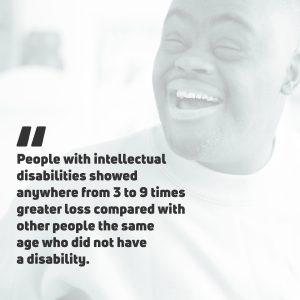
In one study of hearing loss in people with and without disabilities, people with intellectual disabilities showed anywhere from three to nine times greater loss compared with other people the same age who did not have a disability. Recognizing hearing loss earlier rather than later can not only help people remain more engaged in life but can help reduce the risk of dementia. People who experience hearing loss are significantly more likely to experience cognitive decline and dementia than people who do not experience hearing loss. And correcting that hearing loss early can have a significant, positive impact on the outcome.

People who experience hearing loss as they get older may:

  1. Seem distracted, particularly in noisy areas.  
  2. Turn up the volume on the television or radio louder than usual.
  3. Not seem to understand conversations and ask people to repeat themselves.
  4. Become disengaged from others and appear less interested in activities they used to enjoy.
  5. Be startled when someone “suddenly” appears in from of them because they did not hear them come into the room.
  6. Not seem to follow requests, such as “Let’s go eat,” because they cannot hear it.
What To Do

Be aware of any changes you see in people around you who may have difficulty communicating using words. An appropriate healthcare professional should evaluate a person who exhibits visual or hearing loss signs to determine if these causes are treatable or if assistive devices, such as glasses or hearing aids, could be helpful. Early treatment can help people remain active and engaged in life, contributing to a better overall quality of life.

Unlocking Behaviors: Constipation

Unlocking Behaviors: Constipation

IT’S HELPFUL TO KNOW WHAT SOME OF THE MORE COMMON CAUSES OF A CHANGE IN THE LEVEL OF ALERTNESS OR ACTIVITY (“NOT ACTING RIGHT”) CAN BE. AND FOR PEOPLE WITH IDD, ONE OF THE MOST COMMONLY SEEN CAUSES IS CONSTIPATION.  I  8 MIN  

Co-written by Risley “Ley” Linder, MA, MED, BCBA & Craig Escudé, MD, FAAFP, FAADM
Published by Helen Journal

This article is part of a co-authored series on behavioral presentations in which a physician and a behavior analyst provide insight into real-life case studies to share their expertise on how behavioral issues can be addressed in an interdisciplinary fashion.

Ron is a 41-year-old man with a severe intellectual disability. He recently moved into a group home after having lived with his parents for most of his life, but because of health issues in both of his aging parents, they can no longer provide the level of support he needs. Ron uses few words but can mostly make his needs known through gesturing and limited sign language. He eats and goes to the bathroom on his own. He loves watching baseball on TV and goes to games at the local minor league stadium when he can. He gets pretty excited when the game comes on and sometimes won’t eat because of his excitement. Overall, he is adjusting well to his new living arrangement, but he seems to be missing his parents, especially when the games come on TV, as he used to watch them with his dad.

Over a period of 3 days, Ron seemed to have become less active. He began sitting more of the day, sometimes pulling his knees up to his chest when in the chair. He started eating less, as well. The “big game” was set to air in a few hours, but Ron wasn’t very interested in it. This was unusual for Ron, and the staff brought it to the nurse’s attention.

Medical Discussion

One of the most common chief complaints provided by a supporter of a person with IDD during an office visit or an emergency department visit is “He’s just not acting right.” For many clinicians, this leaves the door wide open for the reason being something simple and easily treatable to something as much more severe and potentially life-threatening. It’s helpful to know what some of the more common causes of a change in the level of alertness or activity (“not acting right”) can be. And for people with IDD, one of the most commonly seen causes is constipation.

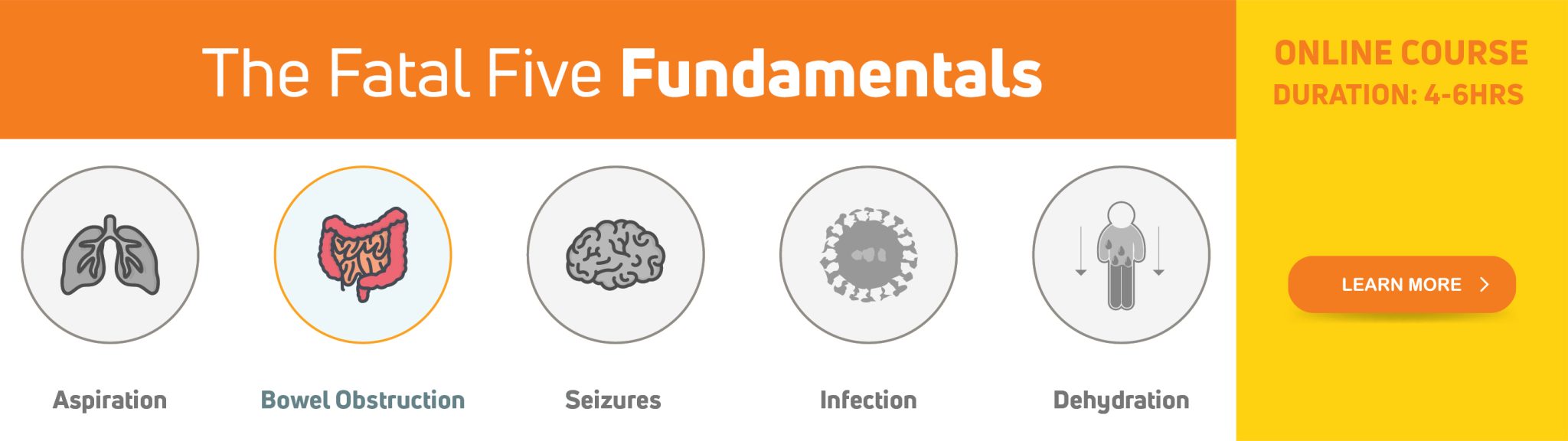
Constipation is one of what we call the “Fatal Five,” the top preventable causes of illness and death in people with IDD.

Constipation can cause a wide range of symptoms, including:

  • Lethargy
  • Lack of interest in usual activities
  • Not wanting to eat
  • Sitting or lying with the knees brought up to the chest or curled in a ball
  • Abdominal guarding
  • Restlessness
  • Aggression without any apparent reason.

I’ve been frequently known to say, “Think about constipation first,” as it can be a common cause of an acute change in behavior.

In addition to changes in behavior, I’ve noted other changes, including:

  • Low-grade fever
  • Vomiting
  • For a person with a seizure disorder, an increase in their seizure frequency.

On multiple occasions, I’ve had patients experiencing an acute increase in seizure activity who were found to be constipated. Once the impaction was resolved, their seizure pattern when back to baseline. Because of this, our standard practice was to check for an impaction when they presented with a seizure flurry.

Constipation is one of what we call the “Fatal Five,” the top preventable causes of illness and death in people with IDD.

Why is constipation such an issue for people with IDD? 

There are several reasons, including that many medications people are more likely to take can cause anti-cholinergic effects, which can dry things up and slow things down. Slowing transit through the intestine allows for increased water absorption, which firms up the stool. Movement of large muscle groups helps stimulate bowel activity, and for some, this may be limited. Inadequate fiber and fluid intake can negatively impact bowel regularity. And some with pica behavior may ingest non-food items that can cause bowel blockage.

Behavioral Discussion

From a behavioral standpoint, when we work with individuals with limited or highly idiosyncratic communication skills who are exhibiting acute changes in behaviors, particularly ones that can be described as “odd,” “different,” or “not acting right,” we always want to know if the behavior has occurred before. For Ron, has he engaged in this type of change in positioning/posturing behavior in the past? If so, what was the outcome or resolution? Was there a clear cause and specific intervention that led to the cessation of the positioning behavior (and subsequent resolution of the underlying cause)? This is a classic example of “the best predictor of future behavior is past behavior.”  

We, as service providers, frequently hear “think medical first,” but what exactly does this mean? 

  • One way is to observe if there is an area or region of the body focused on by the acute behavior. For Ron, his behavior of bringing his knees to his chest compresses his abdomen, which can give a clue to an area that should be focused on.
  • Additionally, is there a logical reason for the behavior? For Ron, bringing his knees to his chest in a seated position, although “odd,” can relieve pressure by promoting gas relief and/or a bowel movement.
  • Another way of thinking from a medical point of view is noting the connection between avoiding food and not having bowel movements. In this scenario, I often think, “Well, something is going on between when it goes in and when it comes out. Should we start following the path from the bottom or the top?!” 

For Ron, behavioral interventions to manage future constipation could include simple communication strategies and toileting logs. If Ron does not currently have an effective means of communicating pain or discomfort, it would be beneficial to teach Ron a basic sign or gesture to assist him in communicating if he does not feel well in any scenario. Regarding toileting logs, keeping simple documentation of bowel movements can help identify potential constipation issues early to prevent more severe gastrointestinal concerns, such as fecal impaction. 

Outcome

The nurse knew that Ron had experienced bouts with constipation in the past and that he usually had similar behaviors when he did. After confirming a rectal fecal impaction, his physician recommended an enema and a short-term laxative. He also recommended a consultation with a dietician to increase the fiber content of his diet slowly and included the recommendation to concurrently increase fluid intake as his fiber intake increased. This is important as increasing fiber alone could make constipation worse. Within a few weeks, his fiber and fluid intake had increased to the recommended range, and his recurrent bouts of constipation resolved. Not surprisingly, his overall demeanor was more positive as well.

The Authors

Risley “Ley” Linder 
Ley is a Board-Certified Behavior Analyst with an academic and professional background in gerontology and applied behavior analysis. Ley’s specialties include behavioral gerontology and the behavioral presentations of neurocognitive disorders, in addition to working with high-management behavioral needs for dually diagnosed persons with intellectual disabilities and mental illness. He is an officer on the Board of Directors for the National Task Group on Intellectual Disabilities and Dementia Practices, works closely with national organizations such as the National Down Syndrome Society, and is the owner/operator of Crescent Behavioral Health Services based in Columbia, SC.

Dr. Craig Escudé
Dr. Craig Escudé is a board-certified Fellow of the American Academy of Family Physicians, the American Academy of Developmental Medicine, and President of IntellectAbility. He has more than 20 years of clinical experience providing medical care for people with IDD and complex medical and mental health conditions. He is the author of “Clinical Pearls in IDD Healthcare and developer of the Curriculum in IDD Healthcare,” an eLearning course used to train clinicians on the fundamentals of healthcare for people with IDD.

New Reports to Help You Advocate for Health Equity for People with Disabilities

New Reports to Help You Advocate for Health Equity for People with Disabilities

In the last year, we have seen three significant announcements relating to improving healthcare for people with disabilities, including those with intellectual and developmental disabilities (IDD).

In this article, I’ll summarize all three. That’s my part. Your part as advocates for people with IDD is to use this information to inform legislators, physician groups, hospitals, insurance plans, managed care organizations, medical schools, nursing schools, dental schools, medical licensure boards, and other healthcare entities to TAKE ACTION to incorporate training and education for students, optimize physical environments to make them more accessible, and to build a healthcare system where people with IDD can receive equitable healthcare.

Source One: The National Council on Disability

February 2022 – The Release of the National Council on Disability’s Framework for Health Equity for People with Disabilities.

The NCD’s framework “provides a roadmap for fixing systemic barriers within our healthcare system and references many examples of the well-documented health disparities and inequities that demand action for over 61 million people with disabilities.”  The framework calls for five significant changes and thirty-eight other recommended changes to foster health equity for all. The five core components include:

  1. Designating people with disabilities as a Special Medically Underserved Population (SMUP) under the Public Health Services Act
  2. Designating people with disabilities as a Health Disparity Population under the Minority Health and Health Disparities Research and Education Act
  3. Requiring comprehensive disability clinical-care curricula in all US medical, nursing, and other healthcare professional schools and requiring disability competency education and training of medical, nursing, and other healthcare professionals
  4. Requiring the use of accessible medical and diagnostic equipment
  5. Improving data collection concerning healthcare for people with disabilities across the lifespan.

The additional thirty-eight items cover a wide range of recommendations, including making medical offices “sensory-friendly,” creating an “essential disability benefits” list of home and community-based services, mandating Medicare coverage for many services specifically beneficial to people with disabilities, including dental coverage, and mandating that health plans include a person with a disability in the peer review process for claims, among others.

Source Two: The Joint Commission

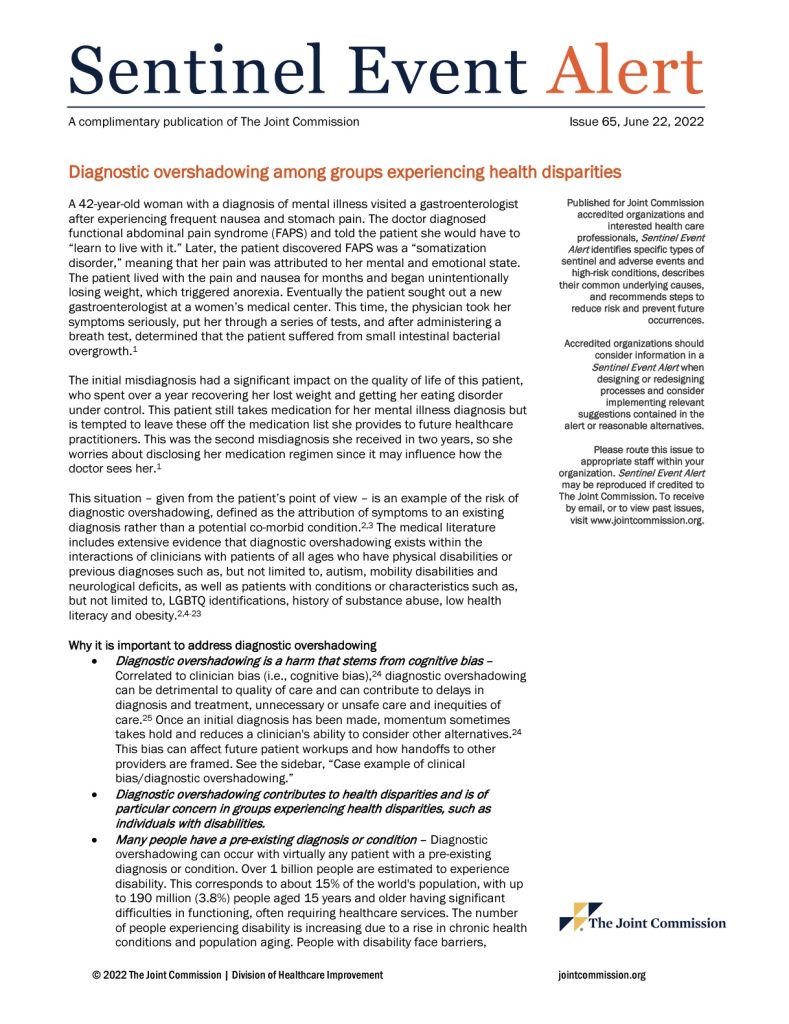
June 2022 – The Joint Commission issues Sentinel Event Alert 65: Diagnostic Overshadowing Among Groups Experiencing Health Disparities

The Joint Commission is the premier global driver of healthcare quality improvement and patient safety. They accredit organizations through an objective process that helps healthcare organizations measure, assess, and improve their performance, focusing on assisting them to deliver safe and high-quality healthcare. They issue Sentinel Event Alerts whenever a particular danger is identified that can impact health and safety.

In June 2022, they issued a sentinel event alert on diagnostic overshadowing. Diagnostic overshadowing is a term used to describe a situation where a particular sign or symptom a person is exhibiting is attributed to the person’s IDD diagnosis rather than looking for a potentially treatable underlying cause. This type of misdiagnosis can have a significant negative impact on the person. Imagine if someone who does not use words to communicate is experiencing pain from a dental abscess and can only express that pain by hitting herself on the cheek over and over. To the untrained eye, this behavior might be attributed to the intellectual disability rather than looking for an underlying cause. The person might suffer for weeks, months, or even years without ever receiving a proper diagnosis causing significant physical and emotional trauma to the person.

Source Three: The World Health Organization

December 2022 – The World Health Organization (WHO) releases its Global Report on Health Equity for Persons with Disabilities.

The WHO estimates that 1.3 billion people experience a significant disability worldwide. This estimate includes those with IDD. Their 296-page report calls for change to the overall healthcare system to promote health equity for people with disabilities. 

One of the points is that achieving health equity for people with disabilities benefits society as a whole, including older people, people who experience temporary limitations, and people living with chronic conditions. There are calls for “transformative disability conscious medical education, training and practice,” which, instead of focusing on “curing the abnormal,” would present disability as one of many diversity factors around which a range of structural barriers and systemic disadvantages influence health outcomes.” This comprehensive report contains numerous recommendations to achieve health equity for people with IDD. 

Use these reports in your advocacy to work towards improving health equity for people with disabilities. 

Think of the connections you have developed with people in positions to make changes. Print these out and deliver them to clinicians you visit. Email these links to legislators and licensing boards. Call your legislators and inquire if they are aware of these reports. 

As the collective voice of people with IDD, advocates, self-advocates, families, and health professionals grows, 
it will become a driving force for change.

Matthew’s Memo: An Advocacy Success Story

READ HOW HIS MOTHER AND FORMER TEACHER TURNED MATTHEW’S INITIAL REJECTION INTO AN
ENCOURAGING ADVOCACY SUCCESS STORY.  |  5 MIN READ

By Lorene Reagan, MS, RN, Director of Public Relations, IntellectAbility

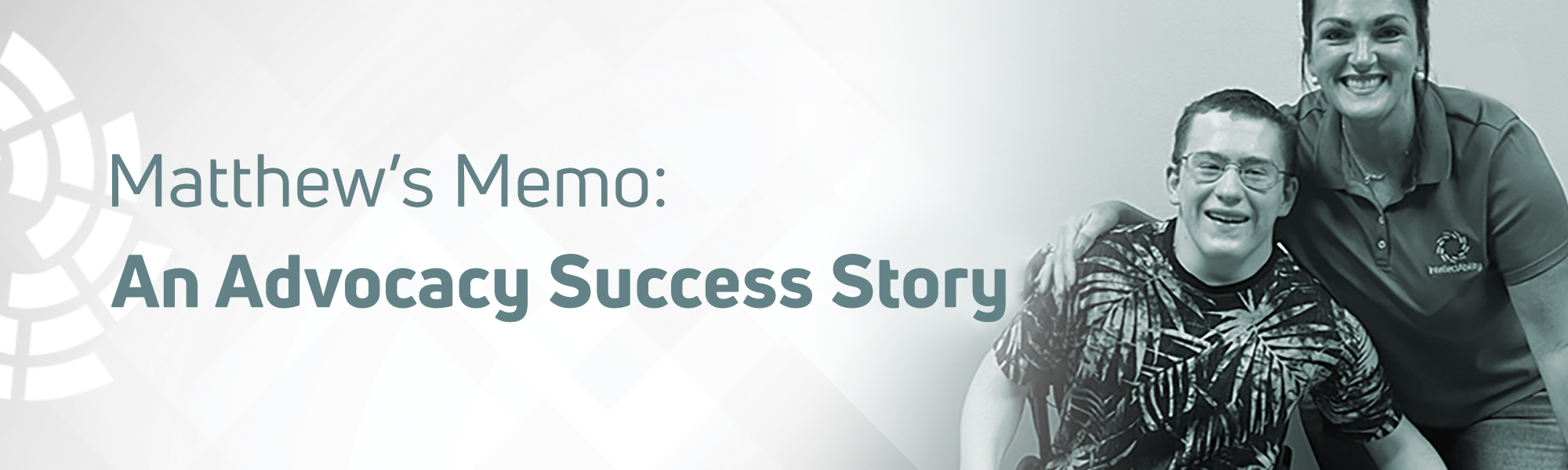
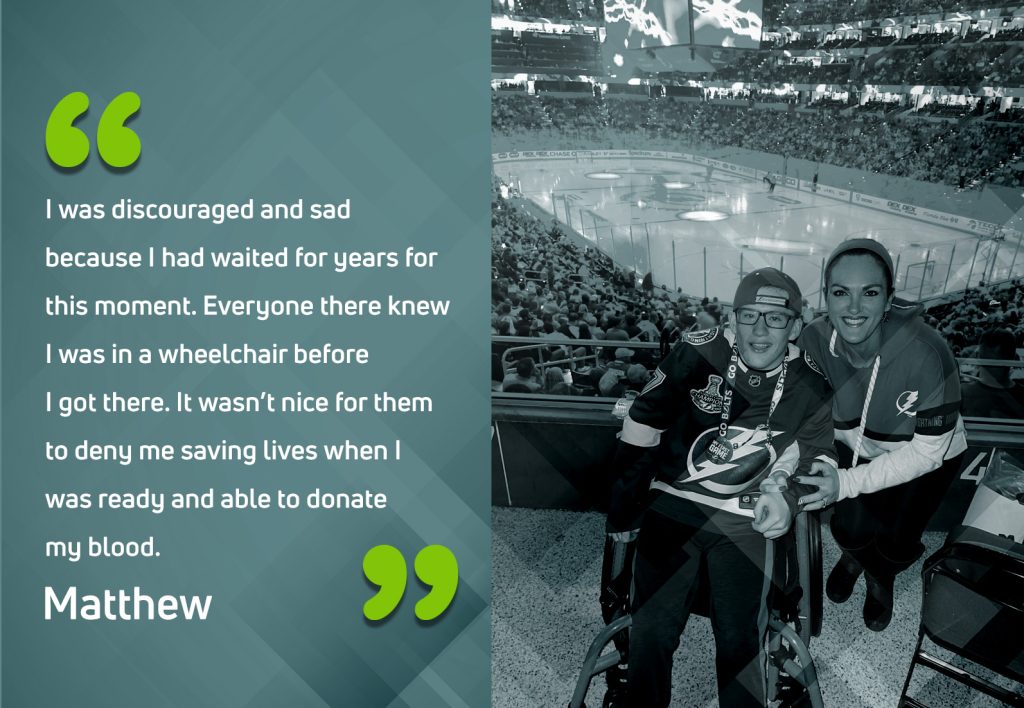
Matthew turned 16 on February 6, 2023. He was excited about this landmark birthday and had made big plans to celebrate by giving blood for the first time. Having accompanied his father, a retired county sheriff, and regular blood donor, many times over the years, he was finally old enough to give blood himself. Plans were made for a celebration at the donor site to commemorate the occasion. As a lifelong Tampa Bay Lightning fan and big-time Victor Hedman fan, Matthew hoped to encourage 77 others to give blood to honor his hockey hero, who wears the #77 jersey.

He arrived at the blood collection center in his community with 20-25 of his supporters and prospective donors on his birthday amid great fanfare and proceeded to the donation room. Shortly after that, he emerged from the room, greatly disappointed because he had been rejected as a blood donor. According to the center, people who can’t independently get up on the donor bed can’t donate. Matthew, who has cerebral palsy, uses a wheelchair and can assist in transfers from the wheelchair to other surfaces but needs a little help to get there. His supporters offered to assist him but were told that the FDA (Food and Drug Administration) requires all donors to be able to get up on the table independently.

Matthew, his mother, and his former teacher and IntellectAbility Inside Sales Representative, Grace Gould, knew this couldn’t be right and asked the staff at the donor site to escalate the situation to leadership within the organization. While others donated, Matthew waited to hear back from the higher-ups. Unfortunately, Matthew was ultimately told he could not donate blood on his birthday because of his inability to access the donor table independently. Matthew, his family, and his supporters decided to make the best of the situation that day and celebrated with cake and balloons.

Matthew’s mother and Grace researched blood donation regulations and requested clarification from the FDA. The Office of Blood Research and Review (OBRR) in the Center for Biologics Evaluation and Research (CBER) provided a prompt response, indicating “there are no specific regulations preventing a person from donating blood due to required assistance in getting on and off a blood donation bed.” Rather, the donor must “be in good health and free from factors that would adversely affect the health of the donor.” The response went on to say, “the collection center is ultimately responsible for determining the eligibility of the donor” and suggested they address their concerns with the center’s medical director.

 “I was shocked that in the year 2023, an otherwise healthy individual was denied donating much-needed blood simply because he needed minimal assistance to get up on the donation bed,” said Grace. “What about the organization’s responsibility for complying with the ADA (Americans with Disabilities Act)?”

Armed with the FDA’s response, Matthew’s supporters returned to his community collection center, asking for reconsideration. To their credit, the medical directors at the center met to discuss Matthew’s request. They issued a policy memo indicating that people with disabilities can be assisted to get on the donation bed if they bring their own supporters to help them. This communication is referred to as the “Matthew Memo.” And as soon as the mandatory waiting period after being rejected as a donor is up, Matthew plans to be there, front and center, to donate.

We applaud Matthew, his parents, and his supporters for their perseverance. And we encourage you to advocate for health equity for people with disabilities. As we celebrate National Cerebral Palsy and Developmental Disabilities Awareness Month, we recognize and salute the countless direct supporters who work to advocate for and enhance the lives of people with disabilities every day

Attain Person-Centered Thinking skills to positively
advocate and support people with IDD in achieving their goals.