
Dental Health for People with IDD: Why Prevention, Access, and Support Matter More Than Ever
Oral health remains one of the most critical yet frequently overlooked components of overall well-being for individuals with intellectual and developmental disabilities (IDD). Present from birth, IDDs can profoundly shape an individual’s development across every stage of life. Though often treated as peripheral to broader medical care, dental health is in fact deeply intertwined with physical health outcomes, quality of life, and the prevention of avoidable hospitalizations. Because many IDD-associated conditions affect multiple body systems simultaneously, a truly comprehensive approach to care is essential.
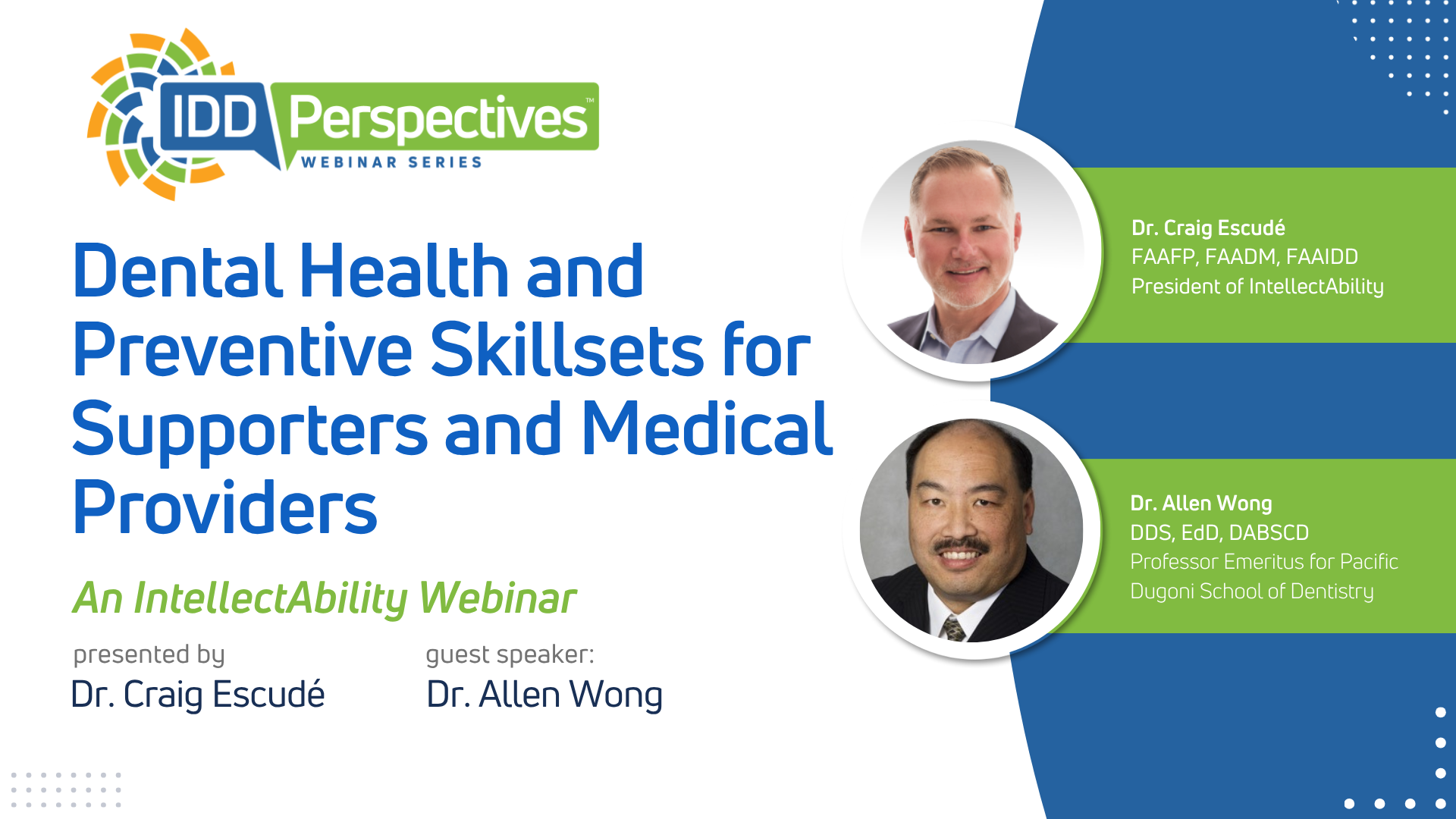
During a recent IDD Perspectives webinar featuring Dr. Craig Escudé, President of IntellectAbility, and Dr. Allen Wong, a renowned global leader in special care dentistry, one message came through clearly: improving dental health for people with IDD requires a shift toward prevention, training, and person-centered support. Assistance in planning and managing support services is crucial, often involving the creation of a personalized support plan, called an ‘individual support plan,’ which is regularly reviewed to meet the person’s needs.
Introduction to Dental Health Challenges
People with intellectual and developmental disabilities (IDD) often encounter unique dental health challenges that can significantly affect their overall well-being. Intellectual disability, characterized by significant limitations in intellectual functioning and adaptive behavior, can make it more difficult for individuals to maintain good oral health routines. Developmental disabilities—a broader category that includes lifelong conditions affecting physical, learning, language, or behavior—can also impact dental health in various ways.
These challenges may affect an individual’s ability to communicate dental concerns, follow oral hygiene routines, or access appropriate dental care. Understanding the connection between intellectual disability, developmental disabilities, and oral health is crucial for providing the right support and ensuring that every individual receives the dental care they need to thrive.
Understanding Intellectual Disability and Its Impact on Dental Health
For individuals with intellectual disability, challenges in adaptive functioning can make it difficult to maintain consistent oral hygiene routines, describe pain or discomfort, or adapt to new environments, such as a dental office. For example, someone with cerebral palsy may have limited muscle control, making it hard to brush or floss their teeth effectively. Individuals with autism may experience sensory sensitivities that make dental visits overwhelming, while those with a brain injury might struggle with memory or communication, further complicating oral health care.
Research from the National Institute of Dental and Craniofacial Research (NIDCR) highlights that people with intellectual and developmental disabilities are at a higher risk for oral health problems, including tooth decay, gum disease, and oral infections. These risks often result from a combination of factors: difficulties with daily oral hygiene, limited access to dental care, and underlying medical conditions that can affect the mouth and teeth. The NIDCR has made dental and craniofacial research in this area a priority, recognizing the need for tailored approaches to improve outcomes for this population.
Addressing these unique needs requires a personalized approach. Adaptive dental equipment, such as specially designed toothbrushes or flossing aids, can help individuals with limited physical ability maintain better oral hygiene. Using fluoride toothpaste and demonstrating proper brushing and flossing techniques are essential steps in preventing dental disease. Social skills training and support can also empower individuals with intellectual disabilities to communicate their needs and navigate dental appointments with greater confidence.
Families and supporters play a crucial role in maintaining oral health for people with intellectual and developmental disabilities. This includes helping with daily routines, scheduling regular dental check-ups, and advocating for specialized dental care when necessary. Education on oral health, tailored to the individual’s learning style and abilities, can make a significant difference in long-term outcomes.
In addition, individuals with an intellectual disability may be eligible for disability benefits and support services that can help cover the cost of specialized dental care, adaptive equipment, and oral health education. Organizations such as the American Association on Intellectual and Developmental Disabilities (AAIDD) offer valuable resources and guidance to families and professionals seeking to improve oral health for this community.
Ultimately, understanding how intellectual disability and other developmental disabilities affect oral health is key to providing effective, person-centered support. By recognizing the unique challenges faced by individuals with intellectual and developmental disabilities and working collaboratively with families, caregivers, and dental professionals, we can help ensure that everyone has the opportunity to achieve and maintain good oral health—improving quality of life and overall well-being.
Why Oral Health Disparities Exist in IDD Populations
One of the biggest challenges in IDD dental care is a lack of access and preparedness within the healthcare system. Many dental and medical professionals receive little to no training in treating people with IDD, which leads to discomfort, avoidance, and ultimately fewer care options. As Dr. Wong explained, clinicians often “don’t treat what they’re not comfortable with,” creating systemic gaps in care.
These gaps are compounded by social determinants of health. Transportation barriers, limited insurance coverage (especially under Medicaid), and long travel distances to qualified providers all contribute to missed or delayed dental visits. In addition, individuals with IDD may need to qualify for specific dental programs or support services, such as the TxHmL program, based on meeting certain eligibility requirements, which can further complicate access to care. What may appear as non-compliance is often the result of structural challenges—not a lack of willingness to receive care.
The Hidden Impact of Poor Oral Health
Dental health is a gateway to the entire body. Poor oral health can trigger widespread inflammation, allowing bacteria from the mouth to enter the bloodstream and affect multiple systems. Infections originating in the mouth can spread to other parts of the body and may present with a range of symptoms, such as fever, swelling, or changes in behavior, which caregivers should monitor closely. Research and clinical experience show links between oral disease and conditions such as cardiovascular disease, pneumonia, diabetes complications, and even cognitive decline.
For people with IDD, who may already have complex health profiles, this connection is even more significant. Oral health issues can also contribute to pain, behavioral changes, and decreased quality of life, often without being immediately recognized as the root cause.
Understanding the Real Causes of Dental Issues
It’s easy to assume that cavities are simply the result of poor brushing habits, but the reality is more complex. Oral health is largely driven by the environment within the mouth—specifically, the balance of bacteria and acidity.
When saliva is healthy and neutral in pH, it helps protect teeth and prevent decay. But many people with IDD take medications that reduce saliva production, leading to dry mouth and increased cavity risk. Frequent snacking, dehydration, and acidic beverages can further disrupt this balance, creating conditions that allow harmful bacteria to thrive. Dental issues are more likely to occur in situations where these risk factors are present, especially for individuals with intellectual and developmental disabilities whose physical, intellectual, or emotional development may impact their ability to maintain oral hygiene.
This shift toward an acidic environment leads to demineralization, stripping essential minerals from teeth and making them more vulnerable to decay. The good news is that this process is reversible with the right preventive strategies.
Prevention Over Intervention: A New Approach to Dental Care
One of the most important takeaways from the discussion is that dental care should not begin in the dentist’s chair. It should start long before the appointment. Prevention is more than a clinical responsibility; it’s a shared effort between providers, supporters, and caregivers.
At home, supporters can help prepare people with IDD for successful dental visits by introducing simple, familiar routines. Practicing opening the mouth, counting teeth, or using a flashlight to simulate an exam can reduce anxiety and build trust. Developing social, academic, and other skills, such as communication and problem-solving, is also essential for helping individuals with IDD feel more comfortable and confident during dental visits.
Even small steps, like watching videos of dental visits or completing paperwork in advance, can make a significant difference.
Equally important is understanding sensory preferences. Bright lights, unfamiliar sounds, and long wait times can quickly become overwhelming. By communicating these needs to dental offices in advance, supporters can help create a more accommodating, person-centered experience.
Building Better Dental Experiences Through Trust
For many people with IDD, the biggest barrier to dental care is the experience. Trust takes time, and successful visits often require flexibility. Instead of trying to complete everything in one appointment, providers and supporters should focus on what the person can tolerate in that moment.
This might mean shorter visits, gradual exposure, or multiple appointments to complete care. Bringing comfort items, using familiar communication tools, and allowing the person to signal when they need a break can all contribute to a more positive experience.
When dental care is approached as something done with a person rather than to them, outcomes improve, not just clinically, but emotionally as well.
Role of Support Systems in Dental Health
Support systems—including family members, supporters, and healthcare professionals—are essential for promoting and maintaining dental health in individuals with intellectual and developmental disabilities. These support networks assist with daily oral hygiene tasks, help schedule and attend dental appointments, and advocate for the individual’s needs within the healthcare system. For individuals living in a group home, coordinated support is essential for maintaining daily oral hygiene and ensuring access to dental care.
The National Institute of Dental and Craniofacial Research (NIDCR) offers valuable resources to guide families and providers in supporting oral health for people with IDD. Additionally, support systems can help individuals navigate the process of qualifying for disability benefits and accessing specialized dental care services. Regular dental care also helps detect early signs of diseases like cancer, diabetes, and HIV/AIDS, which can manifest as infections or oral symptoms. By working together, these networks ensure that individuals with intellectual and developmental disabilities receive the comprehensive dental and craniofacial care they deserve.
Dental Care Considerations
Providing dental care for individuals with intellectual and developmental disabilities requires thoughtful planning and adaptation. Specialized equipment, such as adaptive toothbrushes, and a supportive, comfortable environment can make dental visits more successful. The Centers for Disease Control and Prevention (CDC) recommends regular dental check-ups, consistent oral hygiene, and a balanced diet to help prevent common oral health problems such as tooth decay and gum disease.
People with intellectual disabilities may face increased risk for dental disease due to factors such as poor nutrition, tobacco use, or side effects from medications. By offering tailored support and following best practices, caregivers and dental professionals can help individuals with intellectual and developmental disabilities maintain good oral health and overall well-being.
Minimally Invasive Solutions Are Changing the Game
Advancements in dentistry are making it easier to treat cavities without invasive procedures. One of the most promising tools discussed in the webinar is silver diamine fluoride (SDF), a topical treatment that can stop cavity progression, reduce sensitivity, and strengthen teeth—all without drilling or anesthesia.
SDF represents a major shift toward minimally invasive care, especially for people who may struggle with traditional dental procedures. It allows providers to stabilize dental issues quickly while creating time for desensitization and future treatment planning.
These types of innovations are critical in expanding access to care and reducing the need for more complex interventions later.
The Role of Training and System Change
Improving oral health outcomes for people with IDD is not just about individual actions—it requires systemic change. Organizations like the American Academy of Developmental Medicine and Dentistry are working to ensure that healthcare professionals receive the training they need to provide competent, compassionate care.
New initiatives, such as national IDD-focused curricula for dental education, are helping bridge the knowledge gap and prepare future providers to meet the needs of this population.
But training alone isn’t enough. True progress will require continued advocacy, policy changes, and a commitment to equitable care across healthcare systems.
Moving Forward: A Prevention-First Mindset
The future of dental health for people with IDD depends on a shift in mindset—from reactive treatment to proactive prevention. By addressing barriers to access, improving provider training, and equipping supporters with practical tools, we can reduce preventable dental issues and their broader health consequences.
Oral health is foundational to overall health. And for people with IDD, investing in prevention is essential.