10 Strategies to Optimize HCBS Spending and Improve Outcomes

10 Strategies to Optimize HCBS Spending and Improve Outcomes
 By Aliah Farley
Medicaid-funded home- and community-based services (HCBS) are at a crossroads. Demand continues to grow as more people with intellectual and developmental disabilities (IDD), older adults, and people with physical disabilities seek support in their homes and communities. Yet funding is strained, costs keep rising, and the workforce is stretched thin.
What Are Intellectual and Developmental Disabilities (IDD)?
Intellectual and developmental disabilities are characterized by significant limitations in intellectual functioning and adaptive behavior, which includes everyday social and life skills. These disorders are typically present at birth or early childhood, and intellectual disability starts before a child turns 18. Such conditions can affect multiple body parts and the person’s physical and cognitive abilities, impacting their ability to learn, reason, and develop other skills.
Examples of developmental disabilities include cerebral palsy, autism, and Down syndrome. In many cases, other disabilities or disorders may be present alongside intellectual disabilities, reflecting the broader category of developmental disabilities.
How Is HCBS Eligibility Determined for People with IDD?
To describe situations where these conditions overlap, it is important to recognize that eligibility for HCBS programs is determined by factors such as age, income, and disability status. Most programs are designed to help people qualify for and access a wider range of benefits and services, supporting people across different ages. Income thresholds are often used to determine who is eligible.
The challenge is not simply how to spend less, but how to spend smarter—using resources where they have the most impact while ensuring people receive the highest quality of support.
The good news is that proven strategies help Medicaid programs and HCBS providers achieve this balance. By focusing on prevention, smarter data use, workforce investment, and person-centered approaches, agencies can reduce costly crises, improve outcomes, and protect limited resources.
Below are 10 strategies to optimize HCBS spending and improve outcomes—with insights into how IntellectAbility’s tools and training can support success.
10 Strategies to Optimize HCBS Spending & Improve Outcomes
1. Focus on Prevention
The most effective way to reduce costs is to prevent avoidable health crises. Emergency room visits and hospitalizations are not only expensive, they disrupt people’s lives.
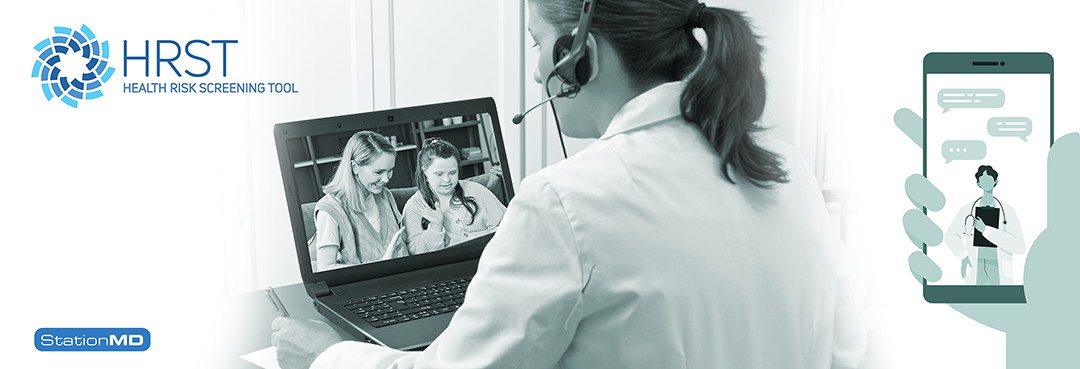
Prevention starts with identifying risks early. IntellectAbility’s Health Risk Screening Tool (HRST) flags subtle changes in health, behavior, or mobility that often precede emergencies. Early identification helps people with intellectual and developmental disabilities by ensuring they receive timely assistance and support tailored to their needs. Routine screenings, vaccinations, and chronic condition management keep small problems from escalating. And when staff are trained to notice early signs of decline, interventions can happen before a crisis hits.
The result: fewer hospitalizations, better quality of life, and lower costs.
2. Use Data and Predictive Tools
Medicaid leaders and providers need more than historical claims data—they need actionable insights. By combining claims information with real-time risk data from tools like the HRST, agencies can identify who is most at risk and act before costs spiral.
Predictive analytics and data dashboards make it possible to forecast needs and allocate resources more effectively. For example, if data shows a cluster of people at risk for aspiration pneumonia, staff can be trained, and preventive supports can be put in place before costly hospitalizations occur. These data-driven approaches ensure resources are allocated efficiently to manage support models, which coordinate services and help control costs.
Data isn’t just about reporting—it’s about guiding smarter, proactive decisions that help agencies pay for the right services at the right time.
3. Improve Care Coordination
When support is fragmented, outcomes suffer. People with IDD often see multiple providers across medical, behavioral, and social services. Without coordination, supports can overlap, get missed, or conflict. Supporters—both family and friends—play a vital role in ensuring coordinated care.
That’s why assigning support coordinators with IDD-specific expertise is critical. Even better, Person-Centered Thinking (PCT) Training equips staff to align services with each person’s goals, preferences, and strengths, empowering people and supporters to decide on the best care options. By putting the person at the center, agencies not only improve engagement and satisfaction but also reduce costly reactive care.
Strong interdisciplinary teams, supported by clear communication tools like HRST profiles, ensure nothing falls through the cracks.
4. Use Technology Wisely
Smart technology is a game-changer for HCBS efficiency. Telehealth expands access to behavioral health and follow-up appointments, while remote monitoring tools help keep people with complex medical needs safe at home.
Automation also reduces administrative burden. For example, the HRST integrates medication and diagnosis data automatically, saving staff time and improving accuracy. Technology should never replace human support, but when used wisely, it frees staff to focus on what matters most: direct, person-centered support.
5. Shift to Value-Based Payment
Traditional fee-for-service models reward volume, not value. The future lies in value-based payment (VBP), which ties funding to outcomes like fewer hospitalizations, better preventive support, and improved quality of life. Value-based models can also align Medicaid services and Medicare funding, improving outcomes and efficiency for those who may be covered by both programs.
Agencies that adopt VBP models must demonstrate measurable results. Tools like the HRST provide quantifiable health risk data, while PCT ensures staff practices align with person-centered goals. Together, these resources provide the evidence funders need to justify continued investment.
By focusing on outcomes instead of units of service, states and agencies can maximize both cost-effectiveness and quality.
6. Strengthen and Retain the Workforce
The HCBS workforce is the backbone of community support—but high turnover and burnout drain resources and disrupt support. Investing in training, recognition, and career development is not optional; it’s essential. Training staff to support employment opportunities, such as supported employment for people with disabilities, and to provide personal care services, is crucial for meeting the diverse needs of those served.
IntellectAbility’s Academy offers scalable, accredited training that equips Direct Support Professionals (DSPs), nurses, and case managers with practical, person-centered, and clinical skills. PCT training helps staff feel more confident and connected to their work, reducing stress and burnout.
By creating career ladders, offering mentorship, and recognizing achievements, agencies can retain skilled workers who deliver consistent, high-quality support.
7. Reduce Use of High-Cost Settings with Community-Based Services
When preventive support fails, people oftenrequire care in costly institutions or hospitals. Facility-based support can be necessary, but supporting people in their own homes through community-based services and home options offers significant benefits. These programs help people avoid more restrictive settings and maintain independence.
Tools like the HRST flag emerging risks so agencies can act quickly, keeping people safely in their own homes. Crisis stabilization services in community settings provide alternatives to hospitalization, and transition planning reduces reliance on restrictive support.
Not only does this save money, but it also allows people to remain in the environments where they thrive.
8. Address Social Determinants of Health (SDOH) for People with Intellectual and Developmental Disabilities
Health isn’t shaped by medical care alone. Housing, food security, transportation, and social ineteraction play enormous roles in outcomes. HCBS programs address multiple categories of need related to these social determinants, ensuring a comprehensive approach. National programs, such as CMS’s specialized initiatives like the Program of All-Inclusive Care for the Elderly (PACE) and the Money Follows the Person (MFP) Rebalancing Demonstration Grant, also play a significant role in supporting these efforts.
HCBS programs can use Medicaid flexibilities to fund non-clinical supports, closing service gaps that drive costly emergencies. The HRST and PCT Training also help identify environmental and social risk factors that might otherwise be overlooked.
Partnering with community organizations ensures people have the basics they need to stay healthy, safe, and engaged in their communities.
9. Cut Inefficiencies
Every dollar wasted is a dollar not spent on improving lives. Agencies can reduce inefficiencies by conducting utilization reviews, eliminating duplicative services, and aligning provider payment rates with actual needs. Reviewing different provider types and different types of services helps identify and eliminate inefficiencies across support settings.
Clinical decision tools, informed by HRST data, guide smarter resource allocation. Automated documentation reduces errors and saves staff time. By regularly reviewing processes, agencies can prevent waste and reinvest savings into better supports.
Efficiency isn’t about cutting corners—it’s about making sure resources flow to where they matter most.
10. Involve People and Families
The people receiving services—and their families—are the experts in their own lives. Involving them in planning leads to better outcomes and increased satisfaction. Family members play an important role in advocating for and planning a wider range of service options, ensuring that supports are flexible and responsive to individual needs.
Person-Centered Thinking Training gives staff the skills to listen deeply and honor what matters most to each person. Supported decision-making empowers people to direct their own lives, reducing unnecessary guardianship.
When people and families are true partners, services align with their goals, strengths, and preferences. This is both person-centered and cost-effective because supports are more likely to succeed.
Final Thoughts
Optimizing HCBS spending is about more than saving money. It’s about ensuring that every dollar goes toward supports that truly improve lives. By focusing on prevention, data-driven support, workforce development, and person-centered approaches, agencies can reduce costs while enhancing outcomes.
IntellectAbility is proud to partner with states and provider agencies on this journey. Our tools—HRST for early risk detection, PCT Training for person-centered practices, and the Academy for workforce training—equip agencies to succeed even in budget cuts.
The choice is clear: continue with reactive, fragmented support, or adopt proactive, person-centered, value-focused strategies. The tools exist. The need is urgent. The time to act is now.
Download our full white paper, “Optimizing HCBS and Healthcare Spending for People with IDD During Medicaid Cuts,” to dive deeper into these strategies.



 THREE BASIC CONSIDERATIONS FOR MAINTAINING A COMPETENT AND DIVERSE WORKFORCE | 4 MIN READ