Top Reasons People Don’t “Act Right”: Understanding the Medical and Environmental Roots of Behavior in People with IDD

Top Reasons People Don’t “Act Right”: Understanding the Medical and Environmental Roots of Behavior in People with IDD

When an individual with intellectual and developmental disabilities (IDD) begins to act differently — withdrawing, becoming irritable, losing interest in food or daily routines — supporters often describe it simply as, “They’re just not acting right.”

But what does that really mean? And more importantly, what does it tell us?

Behind those few words can lie an entire story: a hidden medical condition, a medication side effect, an illness (such as an infectious disease), a loss, a change in environment, or even something as simple as an earache.

In the most recent IDD Perspectives webinar, Top Reasons People Don’t “Act Right,” hosted by Dr. Craig Escudé, President of IntellectAbility®, and featuring Dr. Matt Holder, a physician and past president of the American Academy of Developmental Medicine and Dentistry (AADMD), the discussion dug deep into the real causes behind behavior change, and how misunderstanding these signs can have serious, even life-threatening consequences. Dr. Holder is also closely involved with the American Association of Intellectual and Developmental Disabilities (AAIDD). This leading organization emphasizes evaluating individuals with intellectual disabilities to identify appropriate supports and services for lifelong community thriving.

Breaking Through the Wall: Advocacy and Persistence in a Complex System

Dr. Holder began the session with a memorable reflection on perseverance and advocacy:

“You just keep hitting your head against the wall until the wall breaks.”

It was a metaphor not for futility, but for persistence — for the kind of determination it takes to make progress in a healthcare system that too often wasn’t built with people with IDD in mind.

The field of IDD medicine requires navigating a level of complexity most clinicians aren’t trained to handle. “Everything we do,” Dr. Holder explained, “is a level of complexity that most people outside the field can’t quite get their mind around.” Too often, systems revert to oversimplified solutions — ones that fail to meet real needs or perpetuate cycles of poor outcomes.

This is especially true, he said, when Medicaid systems push people with IDD into traditional fee-for-service models that don’t reflect the preventive, team-based care they require. “That’s the very system that has continuously failed them,” he noted, “and we have to keep pushing for change.”

When Behavior Is the First Sign of a Medical Problem

As Dr. Escudé recalled from his decades in clinical practice, two phrases repeatedly surfaced when he was asked to see a person with IDD:

  1. “They’re not eating.”
  2. “They’re just not acting right.”

Those statements, while vague, were often the first clues that something was medically wrong. Because many people with IDD experience communication challenges, physical pain or discomfort can easily manifest as changes in mood or behavior.

“If I’m hurting and I can’t tell anyone what I’m feeling,” Dr. Escudé said, “

I’m going to find some way to express it.”

Hidden or unrecognized medical issues — like ear infections, constipation, reflux, dental pain, urinary tract infections, or side effects from medication — are among the most common underlying causes of behavioral changes. These issues are often identified only after careful assessment. Multiple factors, such as medical, environmental, and psychological elements, can contribute to changes in behavior.

Dr. Holder shared a particularly striking story: a man in his thirties, labeled “terminal” and placed in Hospice for “failing to thrive,” was found to have a simple, untreated UTI. Once treated, he recovered within days. “They just decided it was time for him to die,” Holder said. “Three days after antibiotics, he perked up — and was fine.”

It was a sobering reminder that what’s perceived as “behavioral” or “end of life” can often be a missed medical condition in disguise.

“See People as People First”

In response to such examples, Dr. Escudé offered one of the webinar’s most resonant reminders:

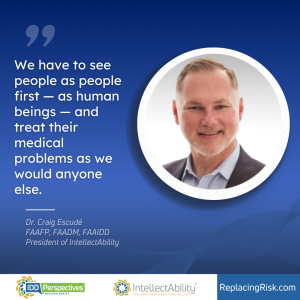
“We have to see people as people first — as human beings — and treat their medical problems as we would anyone else.”

This person-centered approach is at the heart of IntellectAbility’s mission: helping supporters and clinicians identify health risks that are often missed, and empowering them with the tools and training to replace risk with health and wellness. Recognizing each individual’s unique abilities and needs is essential to providing effective support. A comprehensive approach to care considers the whole person, not just their diagnosis, ensuring that support plans are tailored to the individual’s strengths and preferences.

Polypharmacy: When the “Fix” Becomes the Problem

Many times, a person’s distress or “behavioral” change is met with medication rather than investigation. Both physicians called out the alarming overuse of psychiatric and sedative drugs in the IDD population.

“We missed the thing causing the behavior, treated it with a medicine that has long-term side effects, ignored the side effects, and ten years later, we’re paying huge dollars for something that could have been prevented.” — Dr. Matt Holder

This cycle, prescribing medication to control behavior without identifying its root cause, can lead to polypharmacy, where multiple medications interact and compound side effects. Over time, the result can be over-sedation, movement disorders, aspiration pneumonia, and avoidable hospitalizations.

As Dr. Holder put it, “There’s so much preventable polypharmacy, so many preventable long-term side effects — and it really starts here, with the misinterpretation of behavior.”

Environmental and Social Triggers: When the Context Changes

Not every behavioral shift stems from a medical issue. Environment and social context often play equally important roles. A change in staffing, moving homes, a lost friendship, or even subtle shifts in daily structure can cause significant distress.

Dr. Holder highlighted the transition period between adolescence and adulthood as one of the most fragile times for people with IDD. When young adults “age out” of school systems and structured programs, the sudden loss of support networks can create instability, family burnout, and emotional distress. Community-based programs play a crucial role in providing ongoing assistance and support services, helping individuals remain connected and included within their community. Assistance from these community programs can help individuals navigate transitions and maintain stability during these challenging periods.

“It doesn’t always mean the person has to move out of the house,” he said, “but it does mean we have to help the family restructure their system of support before a crisis happens.”

Even sensory differences, like sensitivity to light, sound, or certain textures, can be powerful behavioral triggers. Dr. Escudé reminded attendees that “we’re all different,” and that both overstimulation and understimulation (boredom, lack of engagement) can cause frustration or attention-seeking behaviors.

Looking for Patterns: The Key to Understanding Behavior

Throughout the conversation, both presenters emphasized the importance of looking for patterns — what happens, when it happens, and what’s happening around it.

“It’s looking at the patterns and the context of behavior that can really help you figure things out.” — Dr. Craig Escudé

Consistent documentation of when behaviors occur and what precedes them can often reveal whether the cause is environmental, sensory, medical, or emotional in nature. Noting changes in adaptive behavior and cognitive functioning can also provide important clues to underlying issues, as shifts in these areas may indicate changes in intellectual or functional status. These patterns often serve as the missing link between confusion and understanding.

Misdiagnosis and the Cost of Overshadowing

Another common trap is diagnostic overshadowing, when behavioral or physical changes are automatically attributed to a person’s disability rather than a treatable condition.

Diagnosing mental health conditions and co-occurring conditions, such as autism spectrum disorder, in individuals with intellectual and developmental disabilities is particularly challenging. The onset and severity of symptoms can make accurate diagnosis difficult, especially when communication barriers exist. Recognizing mental health and neurodevelopmental issues requires careful assessment to avoid misattributing symptoms and to ensure appropriate support.

Dr. Holder cautioned that psychiatric diagnoses like depression, anxiety, or psychosis are often applied prematurely, particularly when communication barriers prevent accurate assessment. He described seeing people discharged from hospitals with diagnoses like ADHD or psychosis despite being nonverbal or medically complex.

“Once you have that diagnosis,” he said, “it explains everything else that goes wrong from now on. That’s something you don’t want to go lightly into.”

The result, he warned, is a “tail-wagging-the-dog” cycle: medications cause new side effects, which are misread as new behaviors, leading to even more medications.

Empowering Families, Direct Supporters, and Clinicians

The final portion of the webinar focused on solutions — specifically, what families and supporters can do when clinicians fail to listen or understand.

Dr. Holder’s advice was direct:

“If your doctor doesn’t listen to you, get a new doctor. Period.”

He explained that most physicians have received little to no training in IDD healthcare and that supporters often know far more about specific syndromes, conditions, or needs than the clinician does.

Dr. Escudé added that when doctors are willing to learn, families should seize the opportunity to collaborate and share resources. It is important to discuss care options with providers to ensure the best possible outcomes.

That’s one reason he wrote Clinical Pearls in IDD Healthcare: to provide families, nurses, and direct support professionals with a physician-written resource they can share with providers to encourage more accurate and compassionate care. Family support plays a critical role in advocating for individuals, coordinating care, and ensuring ongoing evaluation. The goal, he said, is simple: help clinicians “see what they’ve never been taught to see.”

Education, Prevention, and Person-Centered Practice

In closing, both doctors underscored that behaviors are forms of communication, not problems to suppress. Early identification and intervention during childhood are critical for supporting children with intellectual and developmental disabilities (IDD). Eligible children are entitled to special education and related services provided under the Individuals with Disabilities Education Act, which ensures access to appropriate support and inclusion. Through these services, individuals with IDD develop critical adaptive and cognitive skills, ultimately improving their lives throughout their development.

Whether the root cause is pain, frustration, sensory overload, or emotional loss, each behavioral change offers a chance to look closer — not medicate faster.

“Behavior is communication. When a person isn’t acting right, it’s not a problem to fix — it’s a message to understand.” — Dr. Craig Escudé

Key takeaway:

When people with IDD “don’t act right,” our first response shouldn’t be “What’s wrong with them?” but rather, “What are they trying to tell us?”

By slowing down, investigating, and listening — both medically and personally — we can prevent suffering, improve outcomes, and create systems that ultimately serve the people they are intended for.

Explore related resources:

For more resources, including practical guides and tips on effective healthcare spending in IDD, visit IntellectAbility’s website or explore the complete IDD Perspectives webinar series.

Optimizing HCBS and Healthcare Spending for People with IDD in a Time of Medicaid Cuts: 10 Strategies for Better Outcomes and Smarter Spending

Optimizing HCBS and Healthcare Spending for People with IDD in a Time of Medicaid Cuts: 10 Strategies for Better Outcomes and Smarter Spending

By Aliah Farley

As states prepare for significant shifts in Medicaid funding, providers and policymakers are asking the same urgent question: How can we continue delivering high-quality services while managing tighter budgets?

The current healthcare system for people with IDD faces unique challenges, including persistent health disparities and the high prevalence of chronic conditions that often co-occur with intellectual and developmental disabilities. These issues highlight the need for improved integration and provider training to address both acute and long-term health needs.

In a recent IntellectAbility webinar, Dr. Craig Escudé, President of IntellectAbility, and Daleigh Tallent, RN, MSN, CDDN, Clinical Director, shared strategies for strengthening Home and Community-Based Services (HCBS) and healthcare for people with intellectual and developmental disabilities (IDD). Various departments at the state and organizational level are responsible for implementing person-centered initiatives and optimizing HCBS. Together, they outlined the challenges ahead and provided ten actionable strategies to improve outcomes while controlling costs.

The Medicaid Landscape in 2025

With the recent federal budget reconciliation bill, Medicaid and CHIP face projected funding reductions of nearly $1 trillion over the next decade. States will feel these impacts differently, but the ripple effects could include:

  • Fewer HCBS waiver slots and longer waitlists
  • Increased risk of institutionalization due to loss of community supports
  • Staffing shortages and provider agency closures
  • Reduced access to behavioral health services
  • Increased administrative barriers, such as six-month re-verifications
  • Changes in eligibility criteria that may affect who is eligible for Medicaid-funded programs and long term services

Reductions in payments to providers and changes in private insurance coverage may further limit access to care for people with intellectual and developmental disabilities (IDD), especially for specialized therapies and services not fully covered by public programs.

While these possibilities paint a concerning picture, Dr. Escudé emphasized a forward-focused approach: I don’t like to operate by scaring people. I like to say, okay, this is where we are. These are the things that we’re looking at. So, what can we do?

The increased risk of institutionalization is particularly concerning, as it may lead to more individuals with IDD being placed in facilities or institutions, such as Intermediate Care Facilities/Intellectual Disabilities (ICF/IID), rather than receiving community-based supports. State-supported living centers and other government-supported facilities continue to provide supported care for those with higher medical and behavioral needs, highlighting the ongoing importance of both institutional and community-based options.

Ten Strategies for Optimizing HCBS and Spending

Optimizing Home and Community-Based Services (HCBS) for people with intellectual and developmental disabilities (IDD) requires understanding their unique needs and the benefits of integrated systems. These strategies aim to improve the person’s ability to live independently and achieve better health outcomes.

  1. Prioritize Prevention
    Early detection of health issues, especially in children, can improve outcomes by enabling timely intervention and support. For example, screening for physical disabilities or chronic conditions in children allows for early treatment and assistance, reducing suffering, preventing ER visits, and lowering costs.
  2. Focus on High-Risk Populations
    Identify high-risk persons and patients at greatest risk of health destabilization by understanding their chronic conditions, affected body systems, and social context. This helps tailor treatment, assistance, and resources to those who need them most, improving outcomes and ensuring that care is patient-centered.
  3. Leverage Data and Predictive Tools
    Use data and predictive tools across different provider types and systems to provide services more efficiently. This enables providers to understand patient needs, predict hospitalizations, and intervene early, improving care coordination and resource allocation.
  4. Strengthen Care Coordination
    Integrate medical, behavioral, mental health, and oral health supports, as well as medicine, to prevent duplication and missed needs. Addressing both physical disabilities and mental health needs brings significant benefits to persons with IDD. Healthcare providers play a key role in coordinating care and providing treatment for both acute and chronic conditions.
  5. Employ Technology Wisely
    Use telehealth, remote monitoring, and data sharing to reduce costly crises. These methods benefit persons with IDD by making healthcare more accessible, especially for those with mobility or transportation challenges.
  6. Adopt Value-Based Payment Models
    Value-based payment models incentivize stabilization and improved quality of life over service volume. These models result in less effort and more naturally integrated care planning, making it easier for providers and patients to update and implement service plans.
  7. Invest in Workforce Training and Retention
    Equip staff with IDD-specific training, teaching methods, and person-centered thinking skills to reduce turnover and improve care. Teaching staff to recognize and support the body’s health needs, including those related to physical disabilities, helps them better understand and implement person-centered thinking skills.
  8. Reduce Reliance on High-Cost Settings
    Expand crisis stabilization options and IDD-focused telehealth to prevent unnecessary hospitalizations. Support people in their own homes and communities to reduce reliance on high-cost facilities and institutional care. For example, the Texas Home Living Program (TxHmL) supports individuals with IDD living with their families or in their own homes, promoting independence and community integration.
  9. Address Social Determinants of Health (SDOH)
    Screen for food, housing, and transportation needs that drive health outcomes. Social services and community-based programs provide assistance to families and individuals, addressing social determinants of health and supporting participation in their communities.
  10. Engage People and Families in Planning
    Build truly person-centered plans that reflect what people actually need and want. Person-centered thinking skills are essential for supporting self-direction and promoting positive control in service planning. Involve family and family members in planning and decision-making and ensure understanding and respect for the person’s ability and preferences. Supporting individuals in this way leads to more effective, individualized care and better health outcomes.

How IntellectAbility Supports These Strategies

The strategies outlined aren’t theoretical. They are already in practice through IntellectAbility’s tools, training, and services. The aims of IntellectAbility’s initiatives are to enhance independence, self-direction, and quality of life for people with IDD, while providing measurable benefits such as improved health outcomes, increased responsiveness, and better access to integrated care.

  • Health Risk Screening Tool (HRST®)
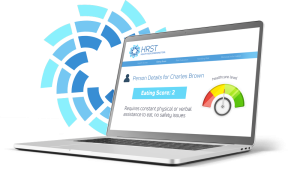
    • The HRST is the only validated, standardized tool designed to detect health destabilization early in people with IDD.
    • It identifies risks across 22 health domains, providing actionable steps for caregivers and clinicians.
    • States, provider agencies, various departments, and State Supported Living Centers use HRST data to guide staffing, allocate resources, improve care, and even predict hospitalizations.
    • Results are measurable: fewer ER visits, fewer urgent care trips, decreased falls, reduced unnecessary medications, and longer, healthier lives.
  • The IntellectAbility Academy
    • An eLearning platform offering IDD-specific courses for staff at every level.
    • Courses on the “Fatal Five” (the top preventable causes of death for people with IDD) equip direct support professionals, nurses, and clinicians with lifesaving knowledge.
    • The Academy uses a variety of teaching methods, including interactive modules and scenario-based learning, to impart person-centered thinking skills and reinforce best practices.
    • Accessible 24/7 and designed to reduce training costs while improving staff retention.
  • Curriculum in IDD Healthcare
    • A credentialed program that prepares physicians, nurse practitioners, healthcare providers, and other clinicians to deliver competent, person-centered care to people with IDD, a population often underserved in traditional medical education.
    • These programs offer significant benefits, such as improved care quality, increased provider competency, and better health outcomes for people with IDD.
  • Person-Centered Practices
    • IntellectAbility provides training and coaching to help organizations embed person-centered thinking and planning into their culture.
    • These efforts focus on supporting staff and organizations in adopting and sustaining person-centered approaches for improved service planning and support.
    • This not only improves quality of life but also aligns directly with HCBS requirements and value-based care initiatives.

Dr. Escudé and Daleigh Tallent emphasized that the intersection of prevention, data, and training is where costs are lowered and lives are saved. IntellectAbility sits at that intersection.

Moving Forward

Medicaid funding challenges are real, but so are opportunities to innovate, collaborate, and prevent crises before they happen. By applying these strategies—and using tools like HRST, Academy training, and person-centered planning—providers can protect HCBS, support people with IDD, and stretch every Medicaid dollar further.

Want to learn more?

Supporting Aging People with IDD: Key Insights from Pam Merkle and Dr. Craig Escudé

Supporting Aging People with IDD: Key Insights from Pam Merkle and Dr. Craig Escudé

By Aliah Farley

As life expectancy increases, people with intellectual and developmental disabilities (IDD) are living longer than ever before. This presents both opportunities and challenges for service providers, families, and healthcare professionals.

In a recent IDD Perspectives webinar, Pam Merkle, Executive Director of the Association on Aging with Developmental Disabilities, joined Dr. Craig Escudé, President of IntellectAbility, to discuss the unique issues people with IDD face as they age and practical strategies to help them thrive.

Shared Concerns in Aging

Pam opened the discussion with a powerful reminder: the concerns people with IDD experience as they age are largely the same as those faced by the general population.

Drawing on surveys of adults with IDD, she highlighted the most frequently mentioned worries:

  • Dementia
  • Depression
  • Health problems
  • Loneliness
  • Medication side effects

Underlying many of these issues is the theme of loss, the loss of friends, family, independence, mobility, and sometimes even one’s home or trusted providers. “For people with IDD,” Pam explained, “loss often happens at an accelerated pace and with fewer supports in place.”

A Proactive Approach to Healthy Aging

Too often, services for people with IDD become reactive, addressing crises after they happen. Pam emphasized the importance of taking a proactive approach instead, fostering health, identity, and belonging long before problems arise. This aligns with the concept of healthy aging, which focuses on maintaining functional ability and overall well-being throughout life.

Her “Healthy Recipe for Aging” includes:

  • Exercise and nutrition: supporting physical health through movement and balanced diets. These activities offer significant benefits for maintaining physical abilities and promoting healthy aging.
  • Cognitive stimulation: encouraging brain health through puzzles, memory games, and activities. Cognitive stimulation, along with education, helps preserve cognitive abilities and other skills, supporting cognitive resilience in older adults.
  • Friendship development: building supportive social networks to prevent isolation. Social connection provides benefits for emotional health and helps maintain other skills important for daily living.
  • Identity and reminiscence: affirming who people are through meaningful roles, hobbies, and life stories.
  • Combating loneliness: creating opportunities for connection, purpose, and joy.

Education is a key factor that supports healthy aging and cognitive resilience. In addition to these, other factors such as social and environmental influences also contribute to the aging process and overall health outcomes.

Pam illustrated this with creative programs developed at her agency, such as “Senior Hotshots,” where older adults with IDD can redefine themselves not only by age, but by the unique talents and interests that shape their identities. Through these programs, older adults with IDD can contribute to their communities, sharing their experiences and skills.

The results, she noted, are striking: fewer emergency room visits, improved mental health, and stronger self-esteem. These benefits highlight the positive outcomes of ongoing efforts to promote healthy aging and address the various factors that influence well-being in older adults.

Addressing Dementia and Cognitive Decline

When someone with IDD shows signs of memory loss, Dr. Escudé stressed the need to rule out medical causes first. Identifying risk factors for dementia and cognitive decline in patients with IDD is crucial for early detection and management. “Don’t jump immediately to dementia,” he cautioned. Hearing or vision loss, medication side effects, thyroid conditions, depression, or even untreated pain can mimic dementia. Comprehensive medical care and timely intervention are essential to address these issues and improve outcomes.

Hearing health, in particular, is critical: untreated hearing loss accelerates cognitive decline and contributes to dementia risk. Research shows that dementia and related conditions can significantly affect individuals with IDD, with chronological age and risk factors such as lifestyle and comorbidities playing a major role in disease progression. Conditions originating in childhood, like cerebral palsy or Down syndrome, can also influence the risk of dementia and late effects as people age.

For those with confirmed dementia, consistency is key. Supporters, including nurses, should maintain familiar staff and routines, use memory aids, and provide clear visual cues. Ongoing follow-up care is important to monitor changes and adjust interventions as needed. Dementia is a leading cause of mortality among older adults with IDD, highlighting the importance of early intervention and continuous support for these patients. Screening tools from the National Task Group on Intellectual Disabilities and Dementia Practices (NTG) can also help identify changes early.

Supporting Mental Health and Depression

Distinguishing between temporary sadness and clinical depression is essential. Both Pam and Craig emphasized the need to assess physical and emotional health together. A sudden withdrawal, for example, could indicate anything from grief to untreated illness.

Therapy and medication may play a role, but so do trauma-informed supports: creating safe environments, building connection, and giving people meaningful choices in their daily lives.

Promoting Health Through Preventive Care

Preventive healthcare remains one of the greatest unmet needs for people with IDD.

Pam urged providers to ensure that aging adults receive routine screenings—such as mammograms, prostate exams, and colonoscopies—that are often overlooked in this population. It is essential to provide timely follow-up to ensure patients complete necessary preventive care and remain engaged in ongoing health management. Supporters must also navigate the risks of polypharmacy: once someone is on five or more medications, the chance of dangerous interactions rises significantly.

Advocates play a vital role in bridging the gap between medical professionals and people with IDD, supporting patients and helping to manage their healthcare needs. Staff who can “translate” complex medical language, track symptoms, and prepare questions for doctors help ensure people get the quality healthcare they deserve.

Ongoing efforts are needed to manage risk factors, late effects, and secondary disorders through continuous medical care and timely intervention, aligning preventive care with World Health Organization guidelines and research-based best practices. The safety of healthcare settings is paramount, and legal acts such as the Act on Guarantee of Right to Health and Access to Medical Services for People with Disabilities help ensure access to medical care for people with IDD.

Housing and Transitions

Affordable housing was another pressing issue discussed in the webinar. Pam explained that some people lose housing support after decades, particularly when HUD-backed arrangements expire. Families and providers must plan early for transitions, always seeking the least restrictive and most person-centered living arrangement possible.

When moves are necessary, familiarity matters. Keeping routines, personal items, and trusted staff in place can soften the disruption and preserve a sense of stability.

Coping with Loss

As people with IDD age, loss becomes a recurring reality—whether it is the passing of parents, peers, or longtime staff.

Friendship development programs and reminiscence activities can provide vital comfort and continuity. Equally important is giving people the opportunity to grieve openly, with the same compassion and validation anyone else would receive.

Takeaways for Supporters

The conversation closed with practical reminders for families, staff, and providers:

  • Be proactive. Don’t wait for crises. Focus on prevention, screenings, and healthy routines.
  • Support identity. Help people maintain meaningful roles and relationships, and encourage them to participate actively in their communities and decision-making.
  • Build friendships. Encourage connections that protect against isolation.
  • Advocate for healthcare. Ensure providers understand the unique needs of people with IDD.
  • Meet people where they are. Individualized support makes the biggest difference.

Conclusion

Aging is a universal experience, but for people with IDD, it comes with added challenges, often compounded by limited resources and systemic barriers. Yet as Pam Merkle and Dr. Craig Escudé emphasized, with the right supports in place, people with IDD can age with dignity, health, and fulfillment.

Their message is clear: the best outcomes come from proactive, person-centered strategies that honor identity, strengthen community, and ensure access to quality healthcare.

For more resources, including practical guides and healthcare spending in IDD, visit IntellectAbility’s website or explore the full IDD Perspectives webinar series.

10 Strategies to Optimize HCBS Spending and Improve Outcomes

10 Strategies to Optimize HCBS Spending and Improve Outcomes

By Aliah Farley

Medicaid-funded home- and community-based services (HCBS) are at a crossroads. Demand continues to grow as more people with intellectual and developmental disabilities (IDD), older adults, and people with physical disabilities seek support in their homes and communities. Yet funding is strained, costs keep rising, and the workforce is stretched thin.

What Are Intellectual and Developmental Disabilities (IDD)?

Intellectual and developmental disabilities are characterized by significant limitations in intellectual functioning and adaptive behavior, which includes everyday social and life skills. These disorders are typically present at birth or early childhood, and intellectual disability starts before a child turns 18. Such conditions can affect multiple body parts and the person’s physical and cognitive abilities, impacting their ability to learn, reason, and develop other skills.

Examples of developmental disabilities include cerebral palsy, autism, and Down syndrome. In many cases, other disabilities or disorders may be present alongside intellectual disabilities, reflecting the broader category of developmental disabilities.

How Is HCBS Eligibility Determined for People with IDD?

To describe situations where these conditions overlap, it is important to recognize that eligibility for HCBS programs is determined by factors such as age, income, and disability status. Most programs are designed to help people qualify for and access a wider range of benefits and services, supporting people across different ages. Income thresholds are often used to determine who is eligible.

The challenge is not simply how to spend less, but how to spend smarter—using resources where they have the most impact while ensuring people receive the highest quality of support.

The good news is that proven strategies help Medicaid programs and HCBS providers achieve this balance. By focusing on prevention, smarter data use, workforce investment, and person-centered approaches, agencies can reduce costly crises, improve outcomes, and protect limited resources.

Below are 10 strategies to optimize HCBS spending and improve outcomes—with insights into how IntellectAbility’s tools and training can support success.

10 Strategies to Optimize HCBS Spending & Improve Outcomes

1. Focus on Prevention

The most effective way to reduce costs is to prevent avoidable health crises. Emergency room visits and hospitalizations are not only expensive, they disrupt people’s lives.

Prevention starts with identifying risks early. IntellectAbility’s Health Risk Screening Tool (HRST) flags subtle changes in health, behavior, or mobility that often precede emergencies. Early identification helps people with intellectual and developmental disabilities by ensuring they receive timely assistance and support tailored to their needs. Routine screenings, vaccinations, and chronic condition management keep small problems from escalating. And when staff are trained to notice early signs of decline, interventions can happen before a crisis hits.

The result: fewer hospitalizations, better quality of life, and lower costs.

2. Use Data and Predictive Tools

Medicaid leaders and providers need more than historical claims data—they need actionable insights. By combining claims information with real-time risk data from tools like the HRST, agencies can identify who is most at risk and act before costs spiral.

Predictive analytics and data dashboards make it possible to forecast needs and allocate resources more effectively. For example, if data shows a cluster of people at risk for aspiration pneumonia, staff can be trained, and preventive supports can be put in place before costly hospitalizations occur. These data-driven approaches ensure resources are allocated efficiently to manage support models, which coordinate services and help control costs.

Data isn’t just about reporting—it’s about guiding smarter, proactive decisions that help agencies pay for the right services at the right time.

3. Improve Care Coordination

When support is fragmented, outcomes suffer. People with IDD often see multiple providers across medical, behavioral, and social services. Without coordination, supports can overlap, get missed, or conflict. Supporters—both family and friends—play a vital role in ensuring coordinated care.

That’s why assigning support coordinators with IDD-specific expertise is critical. Even better, Person-Centered Thinking (PCT) Training equips staff to align services with each person’s goals, preferences, and strengths, empowering people and supporters to decide on the best care options. By putting the person at the center, agencies not only improve engagement and satisfaction but also reduce costly reactive care.

Strong interdisciplinary teams, supported by clear communication tools like HRST profiles, ensure nothing falls through the cracks.

4. Use Technology Wisely

Smart technology is a game-changer for HCBS efficiency. Telehealth expands access to behavioral health and follow-up appointments, while remote monitoring tools help keep people with complex medical needs safe at home.

Automation also reduces administrative burden. For example, the HRST integrates medication and diagnosis data automatically, saving staff time and improving accuracy. Technology should never replace human support, but when used wisely, it frees staff to focus on what matters most: direct, person-centered support.

5. Shift to Value-Based Payment

Traditional fee-for-service models reward volume, not value. The future lies in value-based payment (VBP), which ties funding to outcomes like fewer hospitalizations, better preventive support, and improved quality of life. Value-based models can also align Medicaid services and Medicare funding, improving outcomes and efficiency for those who may be covered by both programs.

Agencies that adopt VBP models must demonstrate measurable results. Tools like the HRST provide quantifiable health risk data, while PCT ensures staff practices align with person-centered goals. Together, these resources provide the evidence funders need to justify continued investment.

By focusing on outcomes instead of units of service, states and agencies can maximize both cost-effectiveness and quality.

6. Strengthen and Retain the Workforce

The HCBS workforce is the backbone of community support—but high turnover and burnout drain resources and disrupt support. Investing in training, recognition, and career development is not optional; it’s essential. Training staff to support employment opportunities, such as supported employment for people with disabilities, and to provide personal care services, is crucial for meeting the diverse needs of those served.

IntellectAbility’s Academy offers scalable, accredited training that equips Direct Support Professionals (DSPs), nurses, and case managers with practical, person-centered, and clinical skills. PCT training helps staff feel more confident and connected to their work, reducing stress and burnout.

By creating career ladders, offering mentorship, and recognizing achievements, agencies can retain skilled workers who deliver consistent, high-quality support.

7. Reduce Use of High-Cost Settings with Community-Based Services

When preventive support fails, people oftenrequire care in costly institutions or hospitals. Facility-based support can be necessary, but supporting people in their own homes through community-based services and home options offers significant benefits. These programs help people avoid more restrictive settings and maintain independence.

Tools like the HRST flag emerging risks so agencies can act quickly, keeping people safely in their own homes. Crisis stabilization services in community settings provide alternatives to hospitalization, and transition planning reduces reliance on restrictive support.

Not only does this save money, but it also allows people to remain in the environments where they thrive.

8. Address Social Determinants of Health (SDOH) for People with Intellectual and Developmental Disabilities

Health isn’t shaped by medical care alone. Housing, food security, transportation, and social ineteraction play enormous roles in outcomes. HCBS programs address multiple categories of need related to these social determinants, ensuring a comprehensive approach. National programs, such as CMS’s specialized initiatives like the Program of All-Inclusive Care for the Elderly (PACE) and the Money Follows the Person (MFP) Rebalancing Demonstration Grant, also play a significant role in supporting these efforts.

HCBS programs can use Medicaid flexibilities to fund non-clinical supports, closing service gaps that drive costly emergencies. The HRST and PCT Training also help identify environmental and social risk factors that might otherwise be overlooked.

Partnering with community organizations ensures people have the basics they need to stay healthy, safe, and engaged in their communities.

9. Cut Inefficiencies

Every dollar wasted is a dollar not spent on improving lives. Agencies can reduce inefficiencies by conducting utilization reviews, eliminating duplicative services, and aligning provider payment rates with actual needs. Reviewing different provider types and different types of services helps identify and eliminate inefficiencies across support settings.

Clinical decision tools, informed by HRST data, guide smarter resource allocation. Automated documentation reduces errors and saves staff time. By regularly reviewing processes, agencies can prevent waste and reinvest savings into better supports.

Efficiency isn’t about cutting corners—it’s about making sure resources flow to where they matter most.

10. Involve People and Families

The people receiving services—and their families—are the experts in their own lives. Involving them in planning leads to better outcomes and increased satisfaction. Family members play an important role in advocating for and planning a wider range of service options, ensuring that supports are flexible and responsive to individual needs.

Person-Centered Thinking Training gives staff the skills to listen deeply and honor what matters most to each person. Supported decision-making empowers people to direct their own lives, reducing unnecessary guardianship.

When people and families are true partners, services align with their goals, strengths, and preferences. This is both person-centered and cost-effective because supports are more likely to succeed.

Final Thoughts

Optimizing HCBS spending is about more than saving money. It’s about ensuring that every dollar goes toward supports that truly improve lives. By focusing on prevention, data-driven support, workforce development, and person-centered approaches, agencies can reduce costs while enhancing outcomes.

IntellectAbility is proud to partner with states and provider agencies on this journey. Our tools—HRST for early risk detection, PCT Training for person-centered practices, and the Academy for workforce training—equip agencies to succeed even in budget cuts.

The choice is clear: continue with reactive, fragmented support, or adopt proactive, person-centered, value-focused strategies. The tools exist. The need is urgent. The time to act is now.

Download our full white paper, “Optimizing HCBS and Healthcare Spending for People with IDD During Medicaid Cuts,” to dive deeper into these strategies.

IDD Smarter Spending, Better Outcomes: How States Can Optimize HCBS with IntellectAbility

IDD Smarter Spending, Better Outcomes: How States Can Optimize HCBS with IntellectAbility

By Aliah Farley

Medicaid programs across the country face a familiar challenge: rising demand, finite budgets, and a system too often forced into crisis response. The question isn’t whether states can keep spending more, it’s whether they can spend smarter.

That’s where home- and community-based services (HCBS) come in.

HCBS programs provide services through various agencies and providers, improving access to support for people with intellectual and developmental disabilities (IDD). HCBS has proven to be cost-effective and person-centered, but without strategic shifts in funding and measurable outcomes, states risk pouring dollars into preventable emergencies rather than proactive support, missing the opportunity to positively impact people with IDD and their communities.

More on Intellectual and Developmental Disabilities

Intellectual and developmental disabilities (IDD) are a broader category of lifelong conditions that are present from birth or early childhood and affect a person’s physical, intellectual, and emotional development.

Intellectual disability starts before age 18 and is characterized by limitations in intellectual functioning—such as intelligence, reasoning, problem solving, and other skills—and adaptive behavior, which includes everyday social skills, and other skills needed for daily living.

These disabilities can affect multiple body systems and impact communication, eating, and social interaction skills. Examples of intellectual or developmental disabilities include autism, cerebral palsy, spina bifida, hearing disorders, and other disabilities and disorders.

Prevention That Pays Off

For people with intellectual and developmental disabilities (IDD), hospitalizations are costly and disruptive. IntellectAbility’s Health Risk Screening Tool (HRST) empowers states and agencies to identify medical risks early, flagging subtle changes in health before they escalate into expensive hospitalizations.

By implementing the HRST across HCBS programs, states can reduce unnecessary costs while improving support quality. Early detection doesn’t just save money; it strengthens the system for providers and, most importantly, the people receiving support.

Data-Driven Decision Making

Medicaid leaders need more than historical claims; they need actionable insights.

With HRST, agencies can aggregate risk data to predict potential crises, enabling states to target interventions where they’ll have the most significant impact. This data helps in situations where patients may require specific treatments or interventions, supporting more precise and effective support.

Combined with Person-Centered Thinking (PCT) Training, staff are equipped to act on this data thoughtfully, ensuring support aligns with the person’s needs while maximizing efficiency. A clear understanding of the data allows agencies to allocate resources more effectively and improve outcomes.

Together, the HRST and PCT Training provide a comprehensive framework for informed, outcome-driven decision-making.

Value-Based Funding That Works

Fee-for-service models reward volume, not outcomes, whereas value-based funding aims to improve outcomes for persons with disabilities by focusing on measurable progress and individual rights.

IntellectAbility’s tools support a shift to value-based support by connecting risk detection, workforce training, and person-centered planning with quantifiable health and quality of life improvements. They help address discrimination and support equitable systems in compliance with relevant law.

Key outcomes states can track for intellectual and developmental disabilities include:

  • Reduced avoidable ER visits and hospitalizations
  • Increased preventive care compliance
  • Enhanced person-centered outcomes

These outcomes have positively affected people with IDD, allowing them to experience better health and greater independence.

When funding models reward prevention and stability, everyone benefits: the system, the providers, and the people served.

Building Efficiency Across the Community-Based Services System

Workforce shortages, high turnover, and administrative burdens drive costs up.

IntellectAbility’s Academy provides scalable, accredited training to upskill direct support professionals (DSPs) and agency staff, reducing variability in support delivery. The training is delivered in partnership with centers and institutions to assist staff in providing high-quality support. The Academy offers a variety of training materials and resources to support ongoing staff development. Combined with PCT, this strengthens staff capabilities, reduces burnout, and ensures consistent, high-quality services.

States that leverage the HRST, PCT Training, and the Academy in their community-based services can streamline operations, better use limited funds, and reinforce a culture of proactive support.

Rethinking Medicaid Strategy

Spending smarter doesn’t mean cutting corners.

By integrating the HRST for risk detection, PCT Training for workforce development, and the Academy for scalable training, states can drive better health outcomes, reduce costs, and strengthen the HCBS system for the future. Medicaid strategies must address the needs of people with disabilities due to injuries, age, and other conditions, ensuring that healthy outcomes remain the ultimate goal.

Read more about these strategies and how IntellectAbility can help in our newest white paper, Optimizing HCBS and Healthcare Spending for People with IDD During Medicaid Cuts, which also considers world best practices and the role of organizations like the Social Security Administration in defining disability.

Seven Trends to Look For in 2025 in Supporting Individuals With Intellectual and Developmental Disabilities (IDD)​

Seven Trends to Look For in 2025 in Supporting Individuals With Intellectual and Developmental Disabilities (IDD)

Written by Craig Escudé, MD, FAAFP, FAADM

  1. Person-Centered Approaches at the Forefront

The person-centered philosophy will continue to be central to IDD support. In 2025, expect an even greater emphasis on tailoring services to meet people’s unique needs, preferences, and goals. This approach prioritizes empowerment and ensures that people with IDD are active participants in their support and decision-making. 

  1.  Enhanced Use of Technology

Advances in assistive technology are revolutionizing how people with IDD access education, employment, and independent living opportunities. From smart home devices to communication tools and health monitoring apps, technology will play a crucial role in enabling autonomy and enhancing quality of life. 


  1. Holistic Health and Wellness Focus

The connection between physical health, mental health, and quality of life is becoming increasingly recognized. In 2025, look for integrated health models that address not just medical needs but also mental wellness, nutrition, and fitness. Tools like the Health Risk Screening Tool (HRST) will continue to be critical in identifying health risks and promoting preventive care. 

  1. Workforce Development and Training

The IDD support workforce is the backbone of quality care. As the demand for services grows, expect a focus on recruitment, retention, and comprehensive training for direct support professionals (DSPs) and other caregivers. Topics such as trauma-informed care, health risk identification, and person-centered thinking will become essential components of training programs. 

  1. Advocacy for Inclusion and Rights

Advocacy efforts will increasingly focus on ensuring individuals with IDD are fully included in all aspects of society. From workplace accommodations to accessible public spaces and inclusive educational opportunities, the push for equity and inclusion will continue to expand. 

  1. Data-Driven Support and Decision-Making

Data and analytics will play a more significant role in designing effective support strategies. Providers will leverage insights from tools and assessments to create personalized plans that promote safety, health, and independence while continuously improving service delivery. 

  1. Family and Caregiver Support

The critical role of families and caregivers will be more widely recognized, with increased resources to support them. Look for enhanced respite care options, support groups, and training programs to empower those who provide direct care. 

Preparing for the Future Together

The future of IDD support is bright, filled with innovation, and a steadfast commitment to dignity, respect, and opportunity for all individuals. As we move forward, collaboration among providers, advocates, and families will remain key to creating systems that are both effective and sustainable. 

Let’s work together to embrace these advancements and continue building a world where everyone’s abilities are recognized and celebrated. 

Warmest regards,

Craig Escudé, MD, FAAFP, FAADM. President, IntellectAbility

Author Bio: 

Dr. Craig Escudé is a board-certified Fellow of the American Academy of Family Physicians and the American Academy of Developmental Medicine and President of IntellectAbility. He has over 20 years of clinical experience providing medical care for people with IDD and complex medical and mental health conditions. He is the author of “Clinical Pearls in IDD Healthcare” and developer of the “Curriculum in IDD Healthcare,” an eLearning course used to train clinicians on the fundamentals of healthcare for people with IDD. He is also the host of the “IDD Health Matters” podcast.

Bullying: How You Can Take Action To Identify, Address and Prevent This Destructive Behavior

Sept. Article banner

Written by Lorene Reagan, RN, MS
Published in the August 2023 edition of EP (Exceptional Parent) Magazine. Sign up for this newsletter for free!

As we prepare to return to school, it is critical to ensure all children, including those with disabilities, are in an environment where they can learn, grow, and socialize without fear. This article describes bullying, its consequences, the increased risk children and adults with disabilities face, and prevention strategies.

WHAT IS BULLYING?

Bullying behavior is characterized by unwanted, aggressive behavior that involves a real or perceived power imbalance and is repeated or has the potential to be repeated over time. There are many different types of bullying, ranging from teasing and harassment to actual physical violence. It can occur in person, in writing, or through cyberbullying involving online or cell phone communications.

The magnitude of bullying behavior varies from annoying and emotionally hurtful verbal abuse, distressing social bullying designed to damage a person’s reputation, publicly embarrass or isolate them, to bullying involving physical assault. It’s not uncommon for bullying to begin with verbal taunting and harassment and then, if not addressed, escalate into physical abuse and assault. And people with intellectual and developmental disabilities are susceptible to and at even greater risk than others with disabilities of being bullied.

WHAT ARE THE CONSEQUENCES OF BULLYING?

We all know bullying hurts people in many ways. But did you know:

  • Bullying has serious negative consequences; those who are bullied can experience depression, low self-esteem, decreased academic achievement, health problems, and, in extreme cases, can be at risk for suicide[i].
  • People with disabilities can be bullied by family members, paid and unpaid caregivers, and other supporters, and may be reluctant to report it because of their dependence upon the caregiver and fear of retribution.

The adverse outcomes of bullying are not limited to those who are bullied. According to the US Department of Health and Human Services,[ii] children who are allowed to bully others are more likely to:

  • Abuse alcohol and other substances as adolescents and adults
  • Drop out of school, vandalize property, and engage in fighting
  • Engage in sexual activity earlier
  • Have criminal convictions and be abusive toward others, including their romantic partners, spouses, and children as adults

And those who witness bullying are more likely to:

  • Miss or skip school
  • Have increased mental health challenges, including depression and anxiety
  • Have increased use of tobacco, alcohol, and other drugs

Bullying directed at a person because of their disability may fall under the category of “disability harassment” and rise to the level of a civil rights violation under Section 504 of the Rehabilitation Act of 1973 or Title II or III of the Americans with Disabilities Act[iii]. Those who harass people because of their disability, as well as people and organizations who have a duty to prevent disability harassment, can run afoul of these laws if they fail to address and prevent bullying and harassment appropriately.

WHAT CAN WE DO TO PREVENT BULLYING?

We know that the roots of bullying behavior begin in childhood. According to the American Psychological Association,[iv] steps can be taken to address and prevent bullying. For example:

  • Create an environment that makes it clear bullying will not be tolerated and set positive expectations for both children and adults.
  • Ensure parents, educators, and others in the person’s life are knowledgeable and observant about when and where bullying tends to happen. Bullying generally occurs in areas where supervision is limited or absent such as in bathrooms, playrooms, parks, and on school buses. Cyberbullying via cell phones and computers occurs when access to these devices is not monitored.
  • Be alert to the safety of those most vulnerable to being bullied. Help the person develop a network of allies to reduce feelings of isolation and reduce opportunities for the person to be targeted for bullying.
  • If bullying is reported or observed, intervene immediately to stop it, record the incident and inform those responsible for addressing it.
  • Adults, including parents, educators, and others, are encouraged to be involved in school or community-based safety teams and antibullying task forces and engage and educate children and adults with (and without) disabilities about the skills for identifying, responding to, and preventing bullying.

Bullying has long-ranging consequences for those being bullied, the person exhibiting the bullying behavior, and those who are witnesses to this serious form of mistreatment. Taking steps to recognize, address and prevent bullying is critical to all children and adults’ emotional and physical well-being. And it is especially important for people with intellectual and developmental disabilities, who are at the highest risk for this type of abuse.  

[i] Centers for Disease Control and Prevention. People with Disabilities and Chronic Diseases: Information about Bullying. 2020. https://www.cdc.gov/ncbddd/disabilityandsafety/bullying.html

[ii] U.S. Department of Health and Human Services. Bullying and Youth with Disabilities and Special Health Needs. 2020. https://www.stopbullying.gov/bullying/special-needs

[iii] US Department of Justice Civil Rights Division. Guide to Disability Rights Laws. 2020. https://www.ada.gov/resources/disability-rights-guide/

[iv] American Psychological Association. Bullying. 2022. https://www.apa.org/topics/bullying/prevent

Health Risk Informed Telemedicine and How it Benefits People with IDD

What is Health Risk Informed Telemedicine and How Can it Benefit the People You Support

By Lorene Reagan, Director of Public Relations, IntellectAbility 

Janet is a 50-year-old woman who has a history of urinary tract infections. It’s Saturday afternoon, and she’s complaining of pain with urination and refused to eat her lunch earlier in the day. The group home staff bring her to the emergency room, where she waits for 6 hours to be evaluated and treated, with the same antibiotic she’s received in the past. Janet and her housemates, who’d planned on attending a holiday party that evening, were unable to go because Janet, the house van, and the only other direct support professional on duty were stuck in the emergency room

Sound familiar? This scenario and other similar scenarios play out in group homes every day, even though the availability of telemedicine as an alternative to emergency room visits has expanded significantly over the past few years. Unfortunately, people with intellectual and developmental disabilities (IDD) have historically not had the same access to what many of us now consider routine healthcare supports, including telemedicine. This is particularly concerning since people with IDD tend to have more significant medical needs and poorer health outcomes. And traditionally, they’ve required more emergency care but are more likely than the general population to experience adverse complications or death while hospitalized. According to a 2022 study, people with IDD were 2.7 times more likely to experience harm while hospitalized.

In this condensed webinar recording, learn more about how IntellectAbility, StationMD, and The Missouri Division of Developmental Disabilities facilitate interoperability between the Health Risk Screening Tool and StationMD’s telehealth platform to provide real-time health risk information to telehealth providers.

What can we do to prevent unnecessary emergency room visits and potentially preventable (and risky) hospitalizations for people with IDD? One solution is to ensure people have access to IDD-competent, health-risk-informed telemedicine support.

According to Dr. Maulik Trivedi, Chief Strategy Officer at StationMD, “Health risk informed access to IDD competent telemedicine supports is a game-changer for people with IDD. Our partnership with IntellectAbility starts with educating our physicians using the Curriculum in IDD Healthcare and now includes access to the person’s health risk information using a new interface between the Health Risk Screening Tool (HRST) and the StationMD telemedicine platform.” 

“As telemedicine usage increases, we at IntellectAbility are working to ensure Janet and others with IDD have equitable access to IDD-competent, risk-informed telemedicine. The HRST-StationMD interface is a great starting point for achieving health equity for people with IDD and preventing unnecessary emergency department visits and hospitalizations,” said Dr. Craig Escudé, IntellectAbility President. 

For more information or to request a demonstration of the HRST, please contact us!

Make real-time health risk informed decisions with HRST​
Learn More

Bright, Well-Educated, Strong Work History, But Still Looking for Meaningful Employment

THREE BASIC CONSIDERATIONS FOR MAINTAINING A COMPETENT AND DIVERSE WORKFORCE   |   4 MIN READ

By Lorene Reagan, RN, MS – Dir. of Public Relations, IntellectAbility

In recognition of National Disability Employment Awareness Month, we interviewed Curtis Glover, who holds a Bachelor’s degree in Game Art and Development and is an accomplished graphic artist, public speaker, fundraiser, photographer, disability advocate, and Shaolin Kempo Black Belt. He has a video game collection that dates back to the 1970s and all of the games still work.

Recently Curtis completed an internship at an augmented reality (AR) technology firm and produced over 150 different 3-D models. Others in the internship produced, on average, 20-30 models. His graphic artwork is featured on the T-shirts for Chaos and Kindness, Recycled Percussion’s Emmy-nominated TV show, which focuses on giving back to others and making a difference around the world. Curtis is intelligent, well-educated, easy to talk to, impeccably groomed, and has a strong employment history in retail. Yet he is still struggling to find meaningful employment in his field of study.


Why is this?

It may be because Curtis lives with autism, but he is quick to point out that he describes himself as “living with a different ability.” According to the US Department of Labor, Bureau of Labor Statistics August 2022 News Release, there are 11.2 million job openings in the United States, yet many people with disabilities are still struggling to secure and maintain meaningful employment.

Why is this, and what can be done? 

Many talented and highly qualified people with disabilities continue to be shut out of the workplace because of barriers, including a lack of education and awareness about how best to support people with disabilities in the workplace, outdated ideas about the impact of potential accommodations that might be needed, unfounded concerns about productivity and unconscious disability bias. 

According to Curtis, employers could begin to break these barriers down by starting with three basic considerations for developing and maintaining a competent, diverse, creative, profitable, and committed workforce:

  1. First, consider how screening practices that use artificial intelligence (AI) can negatively impact and inadvertently screen out people with certain disabilities. Curtis has submitted over 80 applications in response to online job postings for which he is qualified and received only two responses.
  2. Next, support employees living with autism by providing kind, respectful, timely, and concrete feedback and, when necessary, recommendations for how they can improve their job performance. This is particularly important because success in the workplace is highly dependent upon what is referred to as “soft skills” and, according to Curtis, “social skills and the ability to ‘read’ people can be hard for people living with autism.”
  3. Finally, Curtis would like employers to simply “get to know me and give me a chance to share my skills.” In his own words, “when I set my mind to something, I focus on it until it is done. I am loyal and will work hard to meet your company’s goals”.

There are literally millions of people like Curtis who live with autism and are actively seeking meaningful employment. If you are an employer looking to hire some great talent, why not reach out during National Disability Employment Awareness Month to explore how people with autism can contribute to your company’s success?

About Curtis Glover

If you’d like to get to know Curtis and learn about how his digital artistry and graphic design skills could benefit your organization, you can find him on LinkedIn, and you can email him at curtisglover99 (at) gmail.com. 

Please, May I Have More Data?

By Lorene Reagan
Director of Public Relations, IntellectAbility

Rate-setting considerations for long-term services and supports for people with intellectual and developmental disabilities.

Most actuaries working in the Medicaid space are well acquainted with the acute care rate-setting process. But many may not be familiar with rate setting for Medicaid long-term support and services (LTSS), Home and community-based services (HCBS) for people with intellectual and developmental disabilities (IDD), or the data sources available to inform the rate-setting process. This article introduces the IDD population, their support needs, the most used HCBS services, and the tools that can be used to inform support needs and the IDD-HCBS rate setting process.

Medicaid is the largest funder of LTSS in the U.S. All 50 states and the District of Columbia provide services funded by one or more Medicaid HCBS Waivers, specifically designed to “waive” the provisions within federal Medicaid regulations that historically only paid for services provided in facilities and institutions. Medicaid LTSS waivers allow people with IDD to live in community settings rather than in institutions, facilitating opportunities for community integration and improved quality of life.

According to data published in 2021 by the Institute on Community Integration, an estimated 7.43 million people with IDD live in the United States, and approximately 17% receive services through state IDD agencies. This group’s estimated Medicaid HCBS waiver expenditures were $42.29 billion in 2018.

Some people with IDD live independently in the community and don’t require formal services or support.
Others need support for daily activities such as dressing, bathing, and eating, and for incidental activities such as shopping, cooking, cleaning, and money management. Supports may also be provided to help a person secure and maintain employment, develop relationships, and participate in hobbies, sports, clubs, or worship. There may also be a need for health-related assistance with medications, ambulation, feeding, and other activities to maintain optimal health and manage health risks unique to people with IDD.

Unlike in the past, people with IDD live primarily in community-based settings, not in institutions or nursing homes. Most share a residence with a related family member; some live in group homes, host homes, or adult foster care settings, while others lease or own their own homes.

Services commonly provided under state Medicaid HCBS waiver programs for people with IDD include case management, residential habilitation, community support, personal care, day habilitation, financial management, job coaching, home and vehicle modifications, and assistive technology. Many waivers include self-direct services through which the person selects, hires, and manages their staff and service budget.

Most state Medicaid programs operate their HCBS program for people with IDD using a traditional state-administered Fee-for-Service payment approach, but this is changing with the advent of managed long-term services and supports (MLTSS) programs which employ capitated rates. Unfortunately, there isn’t much experience in this area; while 22 states operated MLTSS programs in 2019, only 10 included the IDD population.

The rate-setting process for HCBS LTSS services is unique and, unlike the approach used in acute care rate setting, focuses mainly on the amount, level, and type of functional, health-related, social, behavioral health, and personal care supports needed for the person with IDD to live successfully in the community.

Each state Medicaid program utilizes the results of various functional screening and assessment tools and other instruments for non-rate setting activities to determine LTSS service eligibility, evaluate level of care, manage health risk, measure acuity, inform resource allocation, and develop service plans. Some are nationally recognized, valid, and reliable instruments and some are “homegrown” tools, having been developed internally. Others are “hybrid” tools based on standardized instruments which the state has customized to meet its unique needs.

In Fee-for-Service programs, states often “tier” LTSS HCBS services. For example, states may have two levels of case management within their Medicaid waiver. A “basic” level and rate are used for people whose needs are more routine, and an “enhanced” level and rate is allowed for those with complex needs, based on assessment findings. In MLTSS, the results of functional assessments and other related data could inform the risk adjustment component of the capitation payment.

As a non-actuary providing subject matter expertise for Medicaid LTSS HCBS rate-setting activities, I learned from my actuary colleagues the value of identifying multiple relevant, valid, and reliable data sources to inform the rate-setting process.

The following are examples of some of the validated tools currently in use that rate-setting teams should consider informing IDD-specific rate setting activities:

  • HRST—Health Risk Screening Tool: web-based health risk instrument that identifies health risks, that, if not addressed, are associated with preventable morbidity and mortality in people with IDD. Six levels of risk are assigned.
  • SIS-A®—Supports Intensity Scale: Adult Version®: standardized assessment tool designed to measure the pattern and intensity of supports that a person age 16 years and older with IDD requires to be successful in community settings. A numerical Support Needs Index is assigned.
  • ICAP—Inventory for Client and Agency Planning: measures adaptive and maladaptive behaviors and is designed for use from infancy to adulthood. Scores that can determine the level of supervision a person needs are generated.

Rate setting for IDD-HCBS is complex and requires multiple inputs and a rate setting team that understands the needs and priorities of people with IDD. Knowing how to select resources that accurately identify support needs, including those required to promote community inclusion and manage maladaptive behaviors, is vital. In addition, because people with IDD have higher incidences of chronic health conditions, lower life expectancies, and difficulty routinely accessing clinically competent healthcare, health risk-related data plays an important role in determining rates. Before selecting the tools to be used in the rate-setting process, the team should evaluate the validity and reliability of each tool and its fitness for use in the rate-setting process.


Published by American Academy of Actuaries – Contingencies. Click here to view the article.