How to Prepare for a Clinician Visit: Practical Guidance for Supporters of People with IDD
At IntellectAbility®, we believe that informed supporters create better health outcomes. For people with intellectual and developmental disabilities (IDD)—including conditions such as autism spectrum disorder, cerebral palsy, Down syndrome, and attention deficit hyperactivity disorder—a well-prepared medical visit can make the difference between early intervention and missed warning signs.
The benefits of well-prepared medical visits for people with IDD include improved access to care, better health outcomes, and enhanced quality of life.
Introduction to Intellectual and Developmental Disabilities
Intellectual and developmental disabilities (IDD) refer to a diverse group of conditions that affect how a person thinks, learns, communicates, and interacts with the world. These developmental disabilities can include autism spectrum disorder, cerebral palsy, Down syndrome, and other intellectual disabilities that begin in childhood and impact a person’s life across the lifespan.
Understanding the unique challenges and strengths of people with IDD is essential for providing effective support and quality healthcare. Leading centers, such as the University of Rochester Medical Center, are at the forefront of research, education, and medical care for developmental disabilities IDD, helping to advance our understanding and improve outcomes for individuals and families.
By deepening our knowledge of intellectual and developmental disabilities, we can better support the health, well-being, and inclusion of people with IDD in all aspects of community life.
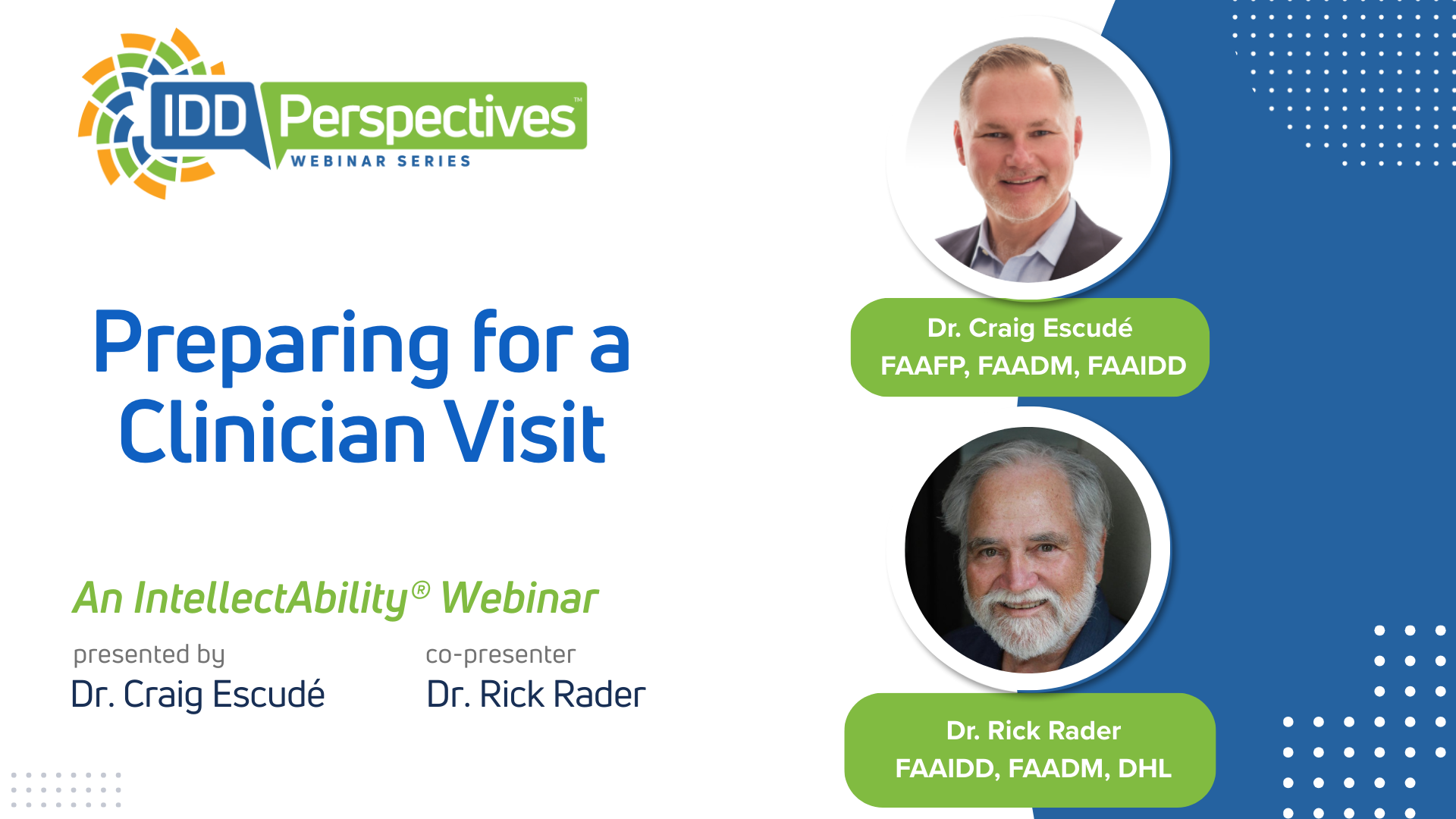
IDD Perspectives Webinar: Preparing for a Clinician Visit
Our IDD Perspectives webinar series brings together national experts from leading centers and research institutions dedicated to IDD to share their knowledge and experience, offering valuable resources for organizations, supporters, and family members. These research and education efforts contribute to advancing understanding and improving outcomes for people with IDD.
During a recent IDD Perspectives webinar, Dr. Craig Escudé sat down with featured expert guest Dr. Rick Rader, a renowned physician and advocate in the field of disability healthcare, who leads a specialized center for IDD healthcare, along with other national experts, to discuss how supporters can help ensure clinician visits are purposeful, person-centered, and effective. The discussion draws on the latest findings from researchers in the field.
This webinar aims to explore key topics related to health, safety, and independence for people with IDD, providing practical insights on these key topics to equip supporters, family members, and other stakeholders with actionable strategies, while also addressing ongoing program development and the vision for improving care for people with IDD.
Here’s what they shared.
Begin With Purpose
Every appointment should start with clarity.
Ask yourself:
- Why are we going?
- Is this routine or in response to new symptoms or behaviors?
- What questions or concerns need to be addressed?
Understanding the why keeps the visit focused and helps clinicians deliver meaningful care.
“Don’t leave home without knowing the keys to a purposeful medical appointment.”
— Dr. Rick Rader
Know the Provider
Not all clinicians have experience supporting people with IDD. Well-trained, competent providers—especially those trained in IDD medicine—are essential for ensuring quality healthcare and meeting the unique needs of individuals with IDD. Consider:
- Is the provider familiar with the person and their health history?
- Does the office have experience with disability-inclusive care?
- Does the clinician speak directly to the person whenever possible?
- Does the provider have experience working with patients with intellectual disabilities or intellectual disability?
Family physicians often serve as primary care providers for people with IDD in community-based settings, playing a key role in managing ongoing care.
A trusted, IDD-competent provider makes a world of difference in comfort, communication, and outcomes. Primary care is a central element in ongoing healthcare delivery for people with IDD, ensuring continuity and coordination of services. Integrated healthcare delivery models, which bring together primary care, behavioral health, and long-term supports, can significantly improve outcomes for individuals with IDD.
Prepare Ahead of Time
Preparation is one of the most important roles a supporter plays. Bring:
- Up-to-date medical history and medication list
- Communication tools or notes on communication preferences
- Behavior or health tracking logs
- Knowledge of any pre-appointment instructions (fasting, labs, etc.)
It is also essential to understand and prepare for the individual’s specific healthcare needs, including any special healthcare needs related to intellectual and developmental disabilities, to ensure a productive appointment.
Supporters should stay for the entire appointment, actively listen, and be ready to advocate respectfully and confidently.
Supporters aren’t just companions—they are partners in care.
Mental Health Considerations for People with IDD
Mental health is a critical component of overall well-being for people with intellectual and developmental disabilities.
Individuals with IDD are at a higher risk for mental health challenges, including anxiety, depression, and behavioral disorders, compared to the general population. Addressing these needs requires a comprehensive approach that recognizes the unique experiences and circumstances of people with developmental disabilities.
Access to specialized mental health services—such as counseling, behavioral health support, and therapy—is essential, as is ensuring that healthcare providers are trained to understand and respond to the mental health needs of people with IDD. The American Association on Intellectual and Developmental Disabilities (AAIDD) offers valuable resources and guidance for families, providers, and support people, helping to improve access to mental health services and promote positive health outcomes for the IDD community.
Communicate, Collaborate & Advocate
Supporters play a vital role in ensuring the person’s voice, needs, and preferences guide the visit.
Advocacy for all persons with developmental disability is crucial to ensure equitable and comprehensive care. Effective advocacy takes a holistic, personalized approach that considers all aspects of a person’s life, recognizing that optimal health and well-being go beyond medical conditions.
Supporting individuals with IDD in making and communicating their own healthcare decisions is essential to promoting autonomy and ensuring their care aligns with their wishes. Support people can help advocate for the person’s needs and preferences, making sure they are understood and respected throughout the visit.
Key actions include:
- Encouraging direct communication between provider and patient
- Clarifying follow-up steps and treatment plans
- Documenting medication changes, symptom updates, and referrals
- Advocating to improve access to care and resources for persons with intellectual and developmental disabilities
“The most important role a DSP plays is that of an advocate.” — Dr. Rick Rader
Communities play a significant role in supporting advocacy and care for people with IDD, helping to address disparities and tailor services to the unique needs of each individual.
Create a Disability-Friendly Experience
Small accommodations can transform the visit. Supporters can:
- Request sensory-friendly or quiet waiting areas
- Ask for extra time if needed
- Ensure the environment supports comfort and dignity
And remember: the relationship with the provider’s office matters. A kind, collaborative tone supports better care for everyone. These efforts help promote the overall well-being of people with IDD during healthcare visits.
Addressing Health Disparities
People with intellectual and developmental disabilities experience significant health disparities, including higher rates of chronic conditions, lower life expectancy, and poorer health outcomes than the general population.
These disparities are often the result of barriers to healthcare access, limited provider training, and a lack of tailored health education for people with IDD and their families. Addressing health disparities requires a coordinated effort to improve access to quality healthcare, enhance provider education, and empower individuals and families with the knowledge and resources they need. The National Council on Disability (NCD) has identified the reduction of health disparities as a top priority, calling for increased investment in education, services, and research to ensure that people with developmental disabilities IDD receive equitable care and support throughout their lives.
Additional Resources:
- Health Passport Tool: Share essential health and communication details easily and quickly. For example, this tool has helped individuals with cerebral palsy and other developmental disabilities communicate their unique needs to healthcare providers, improving care outcomes.
- IDD Health Matters Podcast: Listen to Episode 1 featuring Dr. Rick Rader for deeper insight. The podcast shares examples of real-world challenges and solutions for people with IDD, including children diagnosed with conditions like cerebral palsy.
- Free 45-Minute Webinar Series: Explore upcoming IDD Perspectives webinars and recordings. These webinars provide examples of best practices and highlight how people with IDD experience health disparities, offering strategies to address these gaps.
Ongoing education and specialized programs are vital for empowering the IDD community, families, and professionals, ensuring everyone has access to the latest knowledge and support.
Programs focused on pediatrics and special healthcare for children diagnosed with developmental disabilities are essential for early intervention and tailored care. Improved access to preventative care services, such as screenings and immunizations, is also critical to addressing health inequities and improving health outcomes for people with IDD.
IntellectAbility is committed to the ongoing development of new resources and programs to meet the evolving needs of the IDD community.
Want to Dive Deeper?
Watch the full recording of “Preparing for a Clinician Visit.”
At IntellectAbility, we’re here to help you replace risk with health and wellness—one informed visit, one empowered supporter, and one person-centered interaction at a time.
These resources and webinars are informed by the latest research and are designed to support the broader IDD community, including addressing how people with IDD experience health disparities and providing examples of improved outcomes through specialized care and ongoing development.