People with IDD at Risk-The June 2022 Joint Commission Sentinel Event Alert

Juanita is a 53-year-old woman. She has a long history of anxiety and depression. Juanita also has cerebral palsy and an intellectual disability and lives in a community residence for people with intellectual/developmental disabilities (IDD).   

For the past couple of days, Juanita has been experiencing increased anxiety. She tells her supporters she feels more tired than usual, has a poor appetite, and has been having “dizzy spells.” Her supporters reached out to Juanita’s primary care provider, who recommended they give her lorazepam, as outlined in her as-needed medication protocol. But it doesn’t help, and Juanita now says she feels like she is going to die.   

While it is not uncommon for Juanita to suffer from acute anxiety, her supporters contacted the primary care provider again, saying, “something just isn’t right with Juanita.” A telehealth appointment was arranged, during which the provider met with Juanita and her supporters. The provider ultimately recommended Juanita be seen in the emergency room to evaluate her symptoms. A diagnostic workup was done, and it was determined that Juanita was having a heart attack and needed immediate intervention. 

Fortunately for Juanita, she can communicate her symptoms, has supporters who know her well and have been educated in healthcare advocacy for people with IDD, and has a relationship with a primary care provider who understands the value of “looking beyond the behaviors” to explore the potential for an undiagnosed medical condition. But this outcome is a best-case scenario and not the typical outcome for people with IDD because of a phenomenon known as “diagnostic overshadowing,” the topic of a recent Sentinel Event Alert issued by The Joint Commission,  a global driver of quality improvement and patient safety in healthcare and a leading accreditation body for healthcare entities.  

Diagnostic overshadowing is a harm that stems from cognitive bias and poses a serious health risk for people with disabilities. Often, particularly in the case of people with IDD who have co-morbid behavioral health conditions, symptoms that would otherwise be addressed through immediate medical evaluation are discounted and attributed to their IDD. No further assessment is conducted, differential diagnoses are not considered, and medical conditions continue untreated, often while psychotropic medications are being given to “treat” the person’s symptoms.   

“Diagnostic overshadowing is a serious safety and quality concern as an initial misdiagnosis can have a significant impact on quality of life, including the physical and psychological wellness of patients,” says Ana Pujols McKee, MD, executive vice president, chief medical officer, and chief diversity, equity and inclusion officer, The Joint Commission. 

According to the alert, the medical literature provides extensive evidence that diagnostic overshadowing exists within clinicians’ interactions with patients of all ages with physical disabilities or diagnoses such as autism, mobility disabilities, and neurological deficits. Unfortunately, most clinicians are unaware of this because medical and nursing schools do not typically include curricula on healthcare for people with IDD, and most practicing clinicians have not had the benefit of education in disability-competent healthcare.  

The Joint Commission Alert recommends the following to address the serious, life-limiting, and sometimes life-threatening consequences of diagnostic overshadowing:  

  1. Create an awareness of diagnostic overshadowing during clinical peer and quality assurance reviews and by addressing it in training and education programs. 
  2. Use listening and interviewing techniques designed to gain better patient engagement and shared decision-making. 
  3. Collect and aggregate data about pre-existing conditions and disabilities and create EHR prompts for clinicians. 
  4. Use an intersectional framework when assessing patients in groups prone to diagnostic overshadowing to overcome cognitive biases and look beyond previous diagnoses. 
  5. Review your organization’s ADA compliance using the added perspective of diagnostic overshadowing to ensure that it meets the needs of patients with physical disabilities. 

IntellectAbility can help.  
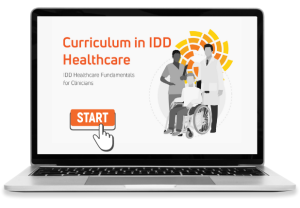
The online Curriculum in IDD Healthcare (CIDDH) includes a section specifically designed to instruct health care professions students and practicing clinicians on how to “unlock the language of behavior.” The training emphasizes how in-depth assessment of behavioral or psychiatric symptoms can lead to diagnosis and treatment of underlying medical conditions. 

The CIDDH also provides concrete recommendations for directly and actively engaging people with IDD in their health management and includes effective communication strategies for those supporting people who may not communicate using words. The training also emphasizes the key role of supporters and family members during the diagnosis and treatment process.  

Upon completion of the online modules, physicians and nurses earn Continuing Medical Education (CME) credits or Continuing Education Credits (CEUs) and are eligible to receive the IntellectAbility Recognized Provider in IDD Healthcare award, indicating their commitment to providing quality healthcare to people with IDD.  

According to Dr. Craig Escude, developer of the CIDDH, “As The Joint Commission recognizes, when providers set aside bias and assumption, they can listen to patients more effectively and therefore treat them more effectively. At IntellectAbility, we have decades of experience teaching person-centered methods to clinicians and caregivers who work in intellectual and developmental disability services. Our programs can help medical providers acquire the skills called for in The Joint Commission Sentinel Event Alert.”


Feel free to call us at 727-437-3201 or email us at Inquiries@ReplacingRisk.com.

Employing People with IDD as a Way to Help with the Hiring Crisis

Employing People with IDD as a Way to Help with the Hiring Crisis

In this article, we explore successful strategies for recruiting and retaining people with IDD in the workforce and increasing diversity, equity, and inclusion in the workplace.

According to a March 2022 report[1] from the Bureau of Labor Statistics, the employment–population ratio—the percentage of the population that is employed—for people with a disability was only 19.1 percent in 2021, compared to 63.7 percent for people who do not have a disability. Sadly, the same report showed this rate has remained largely unchanged over the past 10 years. And for people with intellectual/developmental disabilities (IDD), finding and retaining employment can be even more challenging.

Best Buddies,[2] an organization that matches skilled and qualified individuals with businesses seeking enthusiastic and dedicated employees, estimates up to 81% of adults (18+) with developmental disabilities do not have a paid job in the community.

Why is this?
Even in the midst of a hiring crisis, many employers are hesitant to hire people with intellectual or developmental disabilities because of myths and stereotypes including[3]:

  • Concern about negative coworker reactions to hiring a person with IDD
  • Assumptions that it will cost more to hire, train, and maintain employment for people with IDD
  • Beliefs that people with IDD will not be as productive or will be unable to develop the knowledge, skills, and attitudes necessary to complete job tasks
  • Fear of litigation associated with hiring and firing people with IDD
  • Negative stereotypes about people with IDD
  • Concern about negative customer reactions
  • Lack of economic incentives, such as tax credits, for hiring people with IDD

According to recent estimates, the United States has about ten million job openings, yet over 8.4 million unemployed individuals are still looking for work[4]. As business owners lament the challenges related to inadequate staffing and Americans are confronted with longer wait times for services, employing people with IDD is a way to help alleviate the labor shortage and increase the level of diversity, equity, and inclusion in the workplace.

People with IDD are valuable assets to our workforce and can:

  • Improve customer satisfaction results
  • Address recruitment and training costs associated with routinely filling high turnover positions
  • Demonstrate lower absenteeism and sick leave than other employees
  • Promote a more diverse and inclusive workplace and enhance employee morale
  • Foster a culture of corporate responsibility
  • Provide the organization with access to potential federal tax incentives[5] such as the Disabled Access Credit, Barrier Removal Tax Credit, and the Work Opportunity Tax Credit

What can HR managers do to attract and retain employees with IDD?

An article in the New York Law Journal[6] highlights how multinational employers are beginning to recognize the benefits of hiring people whose neurological function and structure are different and who are often described as “neurodiverse.” Companies are embracing this community of people, which includes people with IDD, by developing hiring and retention practices that support applicants and employers. Businesses could consider the following strategies which have been adapted from the article to address the needs of individuals with IDD:

  • Partner with government or nonprofit organizations that support people with IDD to ensure compliance with disability employment regulations, optimize processes for screening and selection of applicants and determine what financial and mentorship supports can be leveraged to promote successful employment of people with IDD
  • Tailor hiring practices to support candidates with IDD who may benefit from a more extended interview in a more casual environment and consider the need, up front, to provide additional training or internships
  • Educate managers and co-workers about how best to support employees with IDD
  • Create social support systems within and among other employees with IDD and develop mentorships led by employees who do not have a disability
  • Support employees’ ongoing career success by communicating key performance evaluation measures and, if necessary, develop a plan for supporting the employee to meet the performance measures
  • Set measurable organizational goals for increasing the number of employees with IDD and expanding the types of roles typically available to employees with IDD
  • Integrate policies, procedures, and processes so that “special” approaches developed for employees with IDD become the norm

Creating and maintaining disability-friendly recruitment and retention practices helps organizations fill vacancies, manage turnover, and increase diversity, equity, and inclusion in the workplace. Employers who develop and maintain disability competent cultures and support employees with IDD to be successful in the workplace will have a strategic advantage in the marketplace.

About the Author: Lorene Reagan, RN, MS is Director of Public Relations at IntellectAbility.  She has 30+ years of experience providing clinical and administrative supports for people with IDD and has held roles including state Bureau Chief for IDD services, Manager of Care Management for a Medicaid Managed Care Plan and Principal in a government human services consulting firm supporting state Medicaid programs across the nation to achieve their policy goals.

[1] US Bureau of Labor Statistics. TED: The Economics Daily. March 1, 2022. https://www.bls.gov/opub/ted/2022/19-1-percent-of-people-with-a-disability-were-employed-in-2021.htm

[2] Best Buddies Jobs Program. Nd. https://www.bestbuddies.org/jobs

[3]Why Employers Don’t Hire People with Disabilities: A Survey of the Literature. CPRF, 3 Feb. 2015. cprf.org/studies/why-employers-dont-hire-people-with-disabilities-a-survey-of-the-literature/

[4] Long, Heather, et al.  Why America Has 8.4 million Unemployed When There Are 10 Million Job Openings. The Washington Post, WP Company, 8 Sept. 2021.

[5]  Internal Revenue Service. Tax Benefits for Businesses Who Have Employees with Disabilities.  https://www.irs.gov/businesses/small-businesses-self-employed/tax-benefits-for-businesses-who-have-employees-with-disabilities

[6] Collins, Erika, Hartzler, Ryan.  Attracting and Retaining Neurodiverse Talent: A Global Perspective. October 29, 2021. https://www.law.com/newyorklawjournal/2021/10/29/attracting-and-retaining-neurodiverse-talent-a-global-perspective/?slreturn=20220203120753

American Rescue Plan Act (ARPA) Funding Opportunities

The American Rescue Plan Act of 2021 is affording state agencies and providers of home and community-based supports and services a rare opportunity to implement changes that will benefit people with intellectual and developmental disabilities (IDD) for years to come.

With many avenues available to effectively utilize these funds including much-needed financial incentives for workforce support, careful attention should be given to supporting this workforce to help them recognize and reduce health risks that will lead to improved quality of life for people with IDD.

Also, timing is critical to ensure the maximum effectiveness and utilization of these funds.

IntellectAbility has tools and training that can be implemented in a matter of days that can identify and reduce adverse health outcomes, train staff on recognizing and preventing health risks such as the Fatal Five, and train supporters in person-centered approaches for people with IDD.

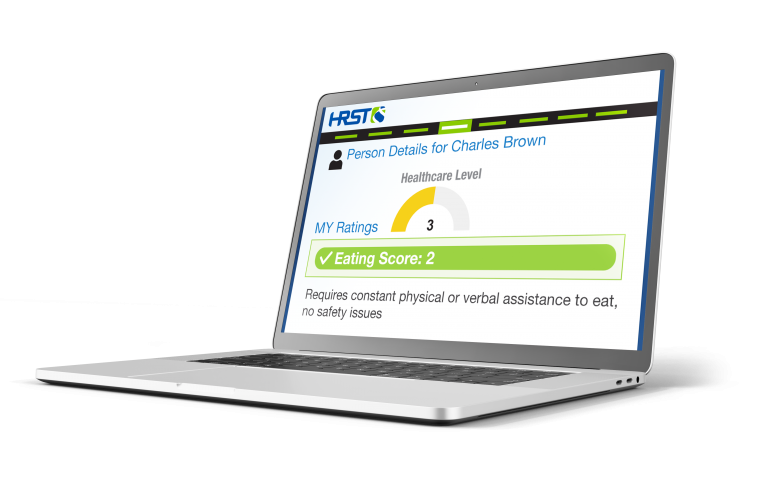
Our web-based Health Risk Screening Tool (HRST), our eLearn courses, and our virtual person-centered training are excellent ways to bolster the workforce and improve health, wellness, and quality of life for the people you support.

Visit ReplacingRisk.com to learn more or call us at 727-437-3201 and let us show you ways to make the most of your ARPA funds in your states and agencies.

When We Educate Clinicians, We Save Lives

Physicians, nurse practitioners, physicians assistants, registered nurses, and other clinicians now have an opportunity that they’ve never had before. It’s an opportunity to learn immediately usable, practical clinical information that will improve their clinical skills in one course. It teaches fundamental principles that weren’t taught in school that translate to better healthcare for millions of people. This curriculum course imparts vital skills and information to improve healthcare for anyone who has challenges in communicating verbally. This includes people with dementia, traumatic brain injury, those who are aging, children, and the group for which the course was specifically designed, people with intellectual and developmental disabilities.

The physician-created “Curriculum in IDD Healthcare” consists of 6 online modules and conveys information not previously taught to most clinicians. Numerous, real-life case studies illustrate the concepts in engaging ways that directly translate to practice. Upon successful completion, clinicians earn valuable continuing medical education credits or continuing education units, depending on their discipline. In addition, they can earn recognition by IntellectAbility as a provider who is committed to delivering healthcare to some of society’s most vulnerable citizens.

Help create a healthcare system where anyone, with or without a disability, can present to any office or hospital and receive compassionate and effective healthcare.

To learn more or to take this course, visit our Curriculum in IDD Healthcare webpage.

Reflections on Health Equity for People with IDD

Health equity occurs when all people have the opportunity to experience the best possible health, quality of life, lifespan expectations and access to health care and health related social supports. Eliminating barriers to health equity allows people with IDD to participate fully in all aspects of community life…

Continue reading

Three Reasons to Train Staff on the Fatal Five Using eLearn

https://www.youtube.com/watch?v=QeYoSQHpYFk

Dr. Craig Escudé was recently asked to give three reasons why states and agencies should consider using eLearn training on the Fatal Five to train their support staff.

The first reason is simply because it’s not common knowledge. We aren’t born with the ability to recognize health destabilization, and particularly in people with intellectual and developmental disabilities who communicate differently and not always using words. It can be very challenging to see the early signs of things like an aspiration pneumonia condition developing or constipation that could turn into bowel obstruction that could lead to hospitalization or sepsis or seizures or dehydration, or even gastroesophageal reflux disease. We simply don’t have this knowledge. And the only way we can get it is if we receive training and eLearn training is efficient and a very good way to impart this knowledge to supporters of all levels.

The second reason is because there are fewer eyes. You know, there are just simply less people in the direct support professional world at this time, which means there are fewer eyes, fewer people that are able to provide oversight and supervision and guidance and support to people with intellectual and developmental disabilities. And when there are fewer people, it’s even more important for them to be trained to recognize these conditions, these early signs, so that they know what to do and how to act when they see these things. These small little bits of information that are learned in these eLearn courses can be life-saving to people that they are supporting.

The third reason, high staff turnover. We know that there’s a lot of turnover in the field of providing supports and services for people with intellectual and developmental disabilities, especially in the direct support level positions. And we need to have training that’s readily available.

 
We need training that can be accessed at any time to train staff as soon as they come into a program to begin work so that they are aware of these health risks early.

It’s important that they know what to do, they know what to look for, and they understand them thoroughly. 

And we can’t always wait a month for in-service training, but having eLearn courses like this available that someone can start right away can help ensure that staff, as soon as they come into work, can receive the important training that they need.

That can not only save lives but just reduce unnecessary pain and suffering in people with intellectual and developmental disabilities by helping them get diagnosed properly and treated for conditions that are known to be preventable causes of morbidity and mortality.

Contact us today to see a preview of our online health and safety training eLearn, The Fatal Five Fundamentals

Call us at 727-437-3201 or email us at Inquiries@ReplacingRisk.com

Dehydration

Where did all the water go? Dehydration occurs when the body loses more fluid than it takes in, resulting in insufficient water and other fluids to perform normal functions. Severe dehydration can lead to changes in the body’s chemistry and kidney failure which may be life-threatening. This article will focus on issues that can be recognized by direct support professionals and discuss ways to prevent dehydration from becoming problematic.

Who’s at Most Risk?

Anyone may become dehydrated, but young children, older adults and people with chronic illnesses are most at risk. The most common cause of dehydration is inadequate fluid intake. It is important to be aware of and stop those processes that result in the loss of water from the body and to replace fluids regularly. Our bodies require approximately 2 to 3 liters of fluid per day, which must be replaced by the water found in the foods and beverages we consume. Several normal body functions result in a net loss of water from the body, including sweating, urination, defecation, and loss of water vapor due to respiration.  On average most people make (and swallow) approximately one quart of saliva per day. Individuals who lose saliva through drooling have an enhanced risk of dehydration. The rate of fluid loss can be enhanced, sometimes dangerously, by vomiting, diarrhea and excessive sweating. When a person complains of thirst, he/she may already be mildly dehydrated.

Don’t Contribute to the Problem

Supporters may inadvertently contribute to the problem by taking steps to combat those little things that make day-to-day life somewhat unpleasant. Medications to combat drooling and withholding fluids for several hours before bedtime are two practices that can lead to an enhanced risk of dehydration.

Drooling may be improved by having the person work with a speech pathologist to treat the root cause of the problem instead of eliminating the symptoms. Swallowing saliva also has a positive effect on the GI tract, reducing the concentration of the gastric contents and helping them to be flushed from the esophagus back into the stomach. Encouraging fluids earlier in the day and using a nighttime toileting schedule or incontinence briefs can combat bedwetting without depriving the person of essential hydration.

“Dehydration is an extremely common finding in individuals seen in the emergency room. Recognition of the problem is the first step to taking action to reverse it.”

Medications to Watch Out For

There are several medications that can increase the loss of water from the body. Many of them are available over the counter and are frequently used by many people. Prescription medications can also facilitate the problem. Diuretic medications are most often used to reduce blood pressure, decrease edema (swelling) or reduce excessive pressure in the eyes. Very simply stated, these medications cause elimination of excess fluid via the kidneys. Medications with anti-cholinergic properties perform a variety of functions by blocking different targets in the nervous system, either intentionally or as a side-effect. These medications include those that are taken for allergies, congestion, diarrhea, dizziness, urinary urgency/frequency, muscular relaxation, movement disorders, dementia, and psychiatric purposes (just to name a few.) Many anti-cholinergic medications are associated with an enhanced risk of dehydration. It is important to educate people you support who take these medications and their support staff to be aware the side effects of these medications.


Recognition

Dehydration is an extremely common finding in individuals seen in the emergency room. Recognition of the problem is the first step to taking action to reverse it.

Early signs and symptoms of dehydration – teach supporters to monitor for the following:

  • Thirst/dry mouth—Ask the person if they can moisten their lips with their tongue.
  • Weakness or light-headedness – Does the person report these or act differently than normal?
  • Decreased urination—Take time to monitor or ask about this.
  • Weak or rapid pulse—Easy to learn how to measure.
  • Constipation—Monitor for this condition.

Signs of more severe dehydration can occur rapidly under the right circumstances and should immediately be brought to the attention of a licensed health care professional:

  • Irritability, disorientation, extreme fatigue
  • Hypotension (low blood pressure)
  • Rapid weight loss (10% or more of usual body weight)
  • Sunken eyes
  • Darkened urine
  • Little or no urination
  • “Tenting” of skin
  • Bowel impaction or obstruction
  • Seizures

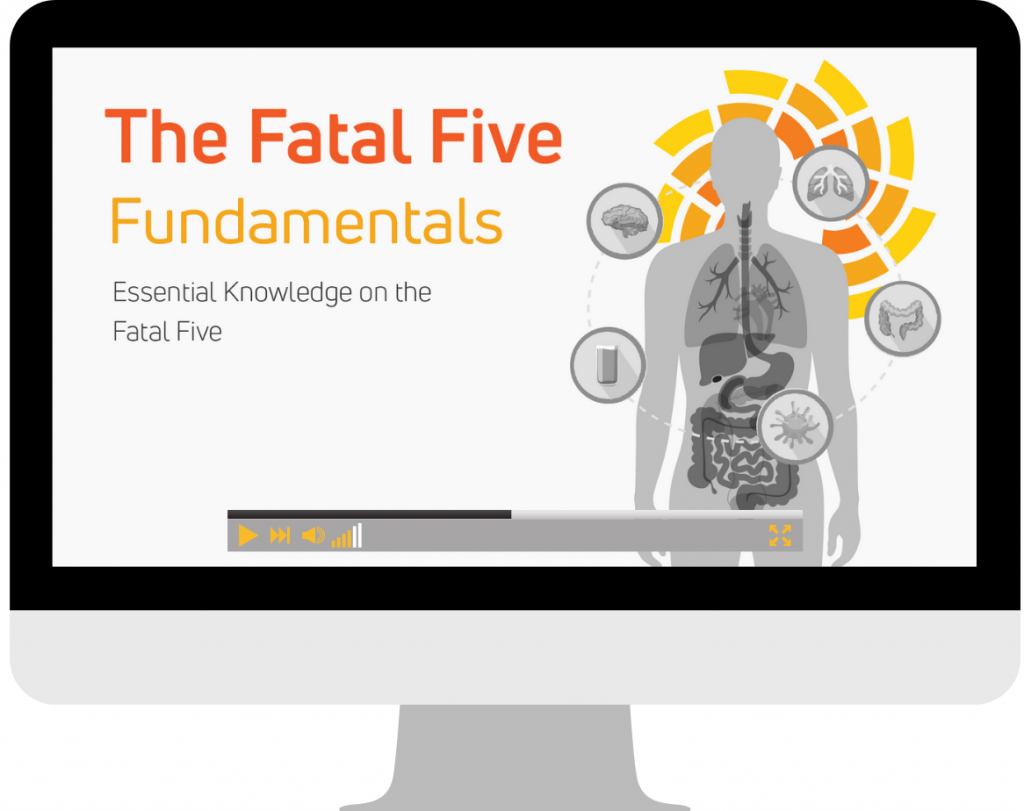
Train Your Support Staff to Confidently Recognize and Prevent the Fatal Five

Effective developmental disability care services require insight into the unique health risks of those with IDD. This comprehensive 7 module, self-paced eLearn course comes complete with videos, interactive exercises, and visual aids. 

  1. Aspiration
  2. Bowel Obstruction
  3. Dehydration
  4. Seizures
  5. Infection
  6. GERD
  7. When to Act

Support staff who feel empowered to observe, make informed decisions, and take action.

How to Hydrate

Water is the best source of fluid when it comes to re-hydrating the body. Many fruits and vegetables also have a high water content. Other liquids provide water, but often with one or more consequence attached. Milk and liquid dairy products contain protein and other nutrients but can add to the caloric intake of individuals who have weight problems. Juices have vitamins and, in some cases, fiber, but may be a source of excess sugar. These can be useful sources of fluids but calories and sugar content should be taken into account when they are consumed. Coffee, tea, sodas and other soft drinks may contain caffeine and/or excess acid, both of which may contribute to dehydration. Alcoholic beverages have a diuretic effect. These beverages should NOT be counted on as hydrating fluids. In fact, additional fluids (preferably water) should be consumed along with them.

For those who just don’t like to drink fluids, things such as popsicles and gelatin have high water content which can help increase water intake.

In a case where dehydration is severe, symptomatic, or where a person simply won’t consume fluids orally, intravenous fluids may be necessary. If someone consistently refuses fluids, notify your nurse or healthcare provider. 

Education

It is important to educate individuals and/or their supporters about the effects of medications that may contribute to dehydration. They should be given information about:

  • How to recognize the signs and symptoms of excessive fluid loss and dehydration from all potential sources.
  • How to give additional fluids to compensate for fluid loss.
  • When to report signs and symptoms to a licensed health care provider, including specific information about whom to contact.
  • How to document incidents associated with dehydration or any other incidents related to nutritional compromise.

Last Thought

Being aware, knowing the early signs, understanding how to prevent it and acting if you see it goes a long way to reducing the risks associated with dehydration and can help “replace risk with health and wellness” in those you support.

New Tool Determines Health Risks of Social Interactions for People with IDD

New Tool Determines Health Risks of Social Interactions for People with IDD


As social isolation measures continue, people who live with IDD are more likely to experience serious problems like loneliness or even abuse or neglect. A new tool from Health Risk Screening, Inc. helps weigh the benefits of social interaction vs. the risks of COVID-19 exposure for these individuals.


(Clearwater, FL) January 12, 2021—Research shows that people who live with intellectual or developmental disabilities (IDD) are up to three times more likely to die from COVID-19 and its complications when compared to people without IDD.(1) Those living with IDDs are more likely to live in group home settings and are often more reliant on support givers for help with activities of daily living. But these people, and the people who support them, have been subject to the same social distancing and isolation recommendations as the general population. Unfortunately, this disruption to the norm does more than interrupt routines and hinder personal growth and development—it also places individuals with IDD at greater risk of serious issues like abuse or neglect.(2)

Dr. Craig Escudé, President of Health Risk Screening, Inc., says, “The pandemic disproportionately affects people who live with IDD, making them more vulnerable to problems like loneliness and disruptions in services providing educational or therapeutic support. There must be a way to help decide whether it’s appropriate for people with IDD to continue on with certain social activities connecting them with others which helps reduce risks of isolation, depression and anxiety associated with limited social contact.”

Like most Americans, people with IDD are socially distancing, avoiding activities once enjoyed away from their homes. The reasons why are multifactorial:(3)

  • People living with IDD are more likely to have underlying medical conditions, such as chronic lung disease,
  • They often rely on various support givers for help with activities of daily living,
  • Standard safety precautions and preventative measures may not be understood, and
  • They may not be able to verbally communicate to others symptoms of illness.

But this massive disruption in health, home, and community services is already having profound effects on the estimated 7 million people in the United States who live with IDD.(4) Some studies show up to 70% of people living with IDD have lost at least some of their normal health services as a result of COVID-19, and as many as 74% have lost one or more services entirely. (4)

Many of these services, such as special education programs for youths with IDD, rely on interpersonal relationships between the youth support givers, who may help with physical positioning, toileting, feeding, among other needs.(5) Often, these same support givers are essential for helping prevent infection among people with IDD.(6) When these relationships are severed, people living with IDD may fall further behind academically, or they may suffer from regressive behavioral changes related to the loss of a structured daily routine.(5)

According to Dr. Escudé, support givers and family members need a tool to help weigh the benefits and risks of a person living with IDD returning to normal activities. HRS developed such a tool, called the Risk/Benefit Return to Activity Form, to help guide supporters in such decisions.

The Risk/Benefit Return to Activity Form addresses several key areas of risk, such as personal, situational, and health risks, to help determine whether the benefits of attending a certain activity outweigh the potential harm. Each section of the form includes questions such as:

  • Can the person follow the social distancing protocol of remaining 6 feet away from others independently?
  • Is the level of community spread in the location of the activity considered reasonable by health authorities?
  • Does the person have any immunocompromising conditions?

The benefits are also weighed with questions like:

  • Is socialization important to help manage or improve the person’s anxiety, mood, mental status, behavior, or mental health disorder?
  • Does the person earn a wage when participating in this activity?

Support personnel who complete this form as part of team meetings can then share it with primary decision-makers to come to a consensus as to whether or not the person with IDD should participate. The form is available to download for anyone who regularly cares for a person with IDD.

Dr. Escudé says, “Just like others, people who live with IDD enjoy social activities which enrich and enhance their lives. Our tool can help those who support people with IDD decide whether the benefits of such activities outweigh the risks of potential exposure to COVID-19.”


Sources

  1. Rabin, Roni Caryn. “Developmental Disabilities Heighten Risk of Covid Death.” The New York Times, The New York Times, 10 Nov. 2020, nytimes.com/2020/11/10/health/covid-developmental-disabilities.html.
  2. King, Dianne. “Risks for Harm Skyrocket for People with Disabilities during Pandemic.” The SAFE Alliance, 28 May 2020, safeaustin.org/risks-for-harm-skyrocket-for-people-with-disabilities-during-pandemic/.
  3. “People with Disabilities.” Centers for Disease Control and Prevention, Centers for Disease Control and Prevention, Sept. 2020, cdc.gov/coronavirus/2019-ncov/need-extra-precautions/people-with-disabilities.html.
  4. State of the Science on COVID-19 and People with IDD. 2020, aaidd.org/docs/default-source/publication/state-of-the-science-on-covid-19-and-people-with-idd—dec-2020.pdf?sfvrsn=25893421_0.
  5. Constantino, John N., et al. “The Impact of COVID-19 on Individuals With Intellectual and Developmental Disabilities: Clinical and Scientific Priorities.” American Journal of Psychiatry, 28 Aug. 2020, ajp.psychiatryonline.org/doi/10.1176/appi.ajp.2020.20060780.
  6. “People with Intellectual and Developmental Disabilities Disproportionately Affected by COVID-19.” National Institutes of Health, U.S. Department of Health and Human Services, 28 Aug. 2020, nih.gov/news-events/news-releases/people-intellectual-developmental-disabilities-disproportionately-affected-covid-19.