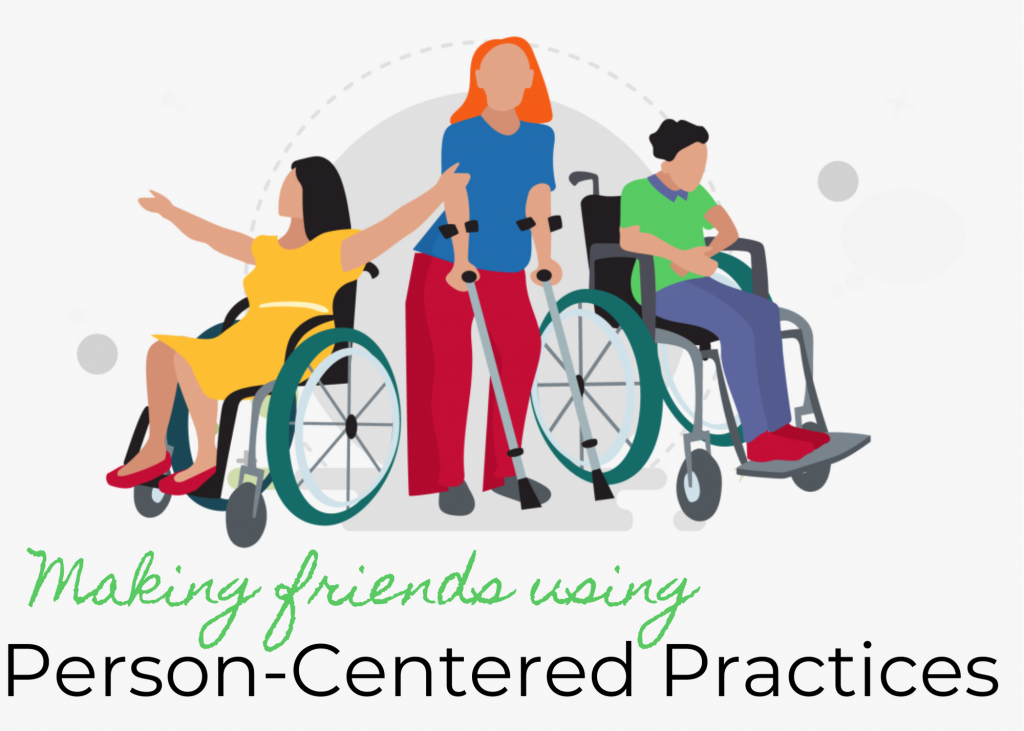
Making Friends Using Person-Centered Practices

By Patrick Lane

One of the best things about being a person is having friends.

Some of us have a lot and others have a few, but we all need friends. Yet so many of the people we support have lives marked with loneliness and isolation. Often anxiety, depression, overreactions, and even health risks are rooted in not having at last one or two good friends.

Along with helping people balance Important To with Important For and using common language instead of “disability-speak”, Person Centeredness is about helping people with disabilities with the essential human need of building friendships. The question that follows seems to be: How do we do that?

There is no textbook answer, but here is a good way to get started: simply list the steps you take in your life to make friends. After all, Person-Centeredness is just “human stuff” broken into smaller pieces so others can know where to help and in a way that is appreciated.

Helping people with disabilities works much the same as how you would like to be helped.

For me, I like to meet people with common interests. Once I’m in a setting with those folks, I may strike up a conversation with someone. If that goes well, I’ll ask for their number. Later I’ll text or call and plan a time to get together with my new friend and possibly others. The friendship may grow or fade, and it’s likely that I’ll connect with others and begin making more friends.

If someone were helping me, they would simply break those steps down and add support where needed. This could be done by arranging transportation, making purchases, helping me understand what is being communicated, or respecting the group’s social norms. That being said, I wouldn’t want the person helping me to take over or make my decisions, and I’d only want help where it’s needed. If we differed on how that someone would help me, we’d keep negotiating until we found a way that worked.

The process of making friends will differ from person to person. Navigating this process will go hand-in-hand with properly gauging where help is needed and how much help to offer. This is worked out with some trial, error, and learning.

You should record what you learn in a Learning Log, so when someone else comes along to help later the same mistakes won’t be repeated. You may find that you don’t know what kind of people they prefer to be friends with. To resolve this, people who support should look at current or past relationships. Refer to their Relationship Map to see what personality traits are shared among those who are close to the person.

If we are willing to try, we can help people with disabilities escape loneliness, and isolation and the negative effects that follow. If we are willing to learn, we really can help make someone’s life better because we helped them make real friends. And after all, one of the best things about being a person is having friends.

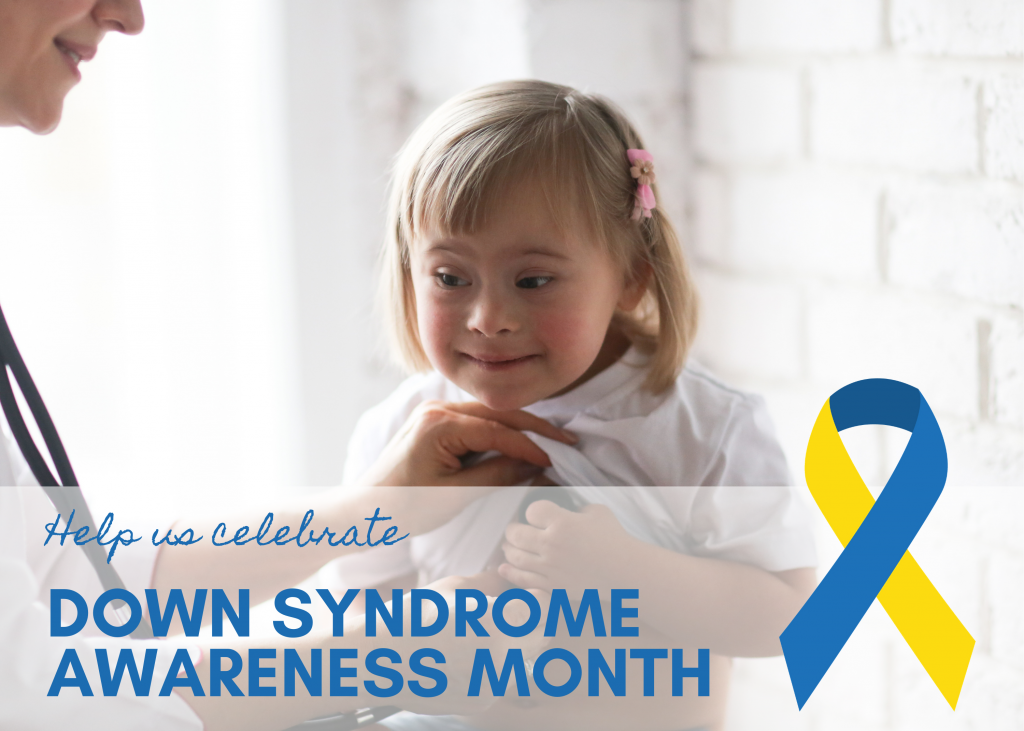
Down Syndrome and How You Can Help


About Down Syndrome

Down Syndrome, also known as Trisomy 21 or Down’s, is a condition in which a person has an extra copy of chromosome 21. This extra chromosome causes a wide range of different abilities, including both mental and physical challenges. According to the CDC, some common physical features of Down Syndrome include a flattened face, a short neck, poor muscle tone, small hands and feet, and shorter height in both adults and children. Down Syndrome is the most common chromosomal abnormality in the United States, occurring in around 1 out of every 700 babies. 

History of Down Syndrome

Down Syndrome was first discovered in 1866, when physician Dr. John Langdon Down identified a group of patients who shared similar characteristics. More research was needed, and in 1959, scientists finally traced the condition back to a chromosomal abnormality. In 1965, the WHO officially recognized this condition as Down Syndrome. 


Recent Advancements

As medical professionals begin to study Down Syndrome, more information becomes available regarding similarities within people living with the condition. For example, researchers are learning people with Down Syndrome are predisposed to certain medical conditions, such as congenital heart defects, sleep apnea, and an early onset of Alzheimer’s disease. More research is crucial to understanding the effects an extra 21st chromosome can have on the body.

How You Can Help

As you support people with Down Syndrome, here are some helpful tips for providing the best level of care that fosters independence, growth, and positivity.

Always use people-first language. People-first language, also known as people-centered language, refers to a style of speaking and writing that places a person first in a sentence, before their diagnosis. For example, one should say, “a person I support with Down Syndrome” rather than “a Down Syndrome person I support”. Check out the National Down Syndrome Society’s Preferred Language guide here.

Plan for transitions. People with Down Syndrome often struggle with everyday transitions and can greatly benefit from warnings and preparation. Prior to starting a new activity, remind those you support what to expect and when to expect it.
Stay positive! Remember people with Down Syndrome can, and do, complete just about any task they set their minds to! Work with those you support on meeting their goals, reminding them you believe in them.
“Nothing about me without me.” Never make a decision for someone you support without being sure to include them in the conversation. People with Down Syndrome want to be, and should be, included in making these decisions for their lives.


Some suggested ways of celebrating National Down Syndrome Awareness Month:

Make a donation to the National Down Syndrome Society (NDSS). Your generosity will support this organization as they work to enhance the quality of life for those living with Down Syndrome. Learn more about how donations are used here.

Share information on your social media page. Awareness is crucial for the Down Syndrome community! Share facts, Buddy Walk registration information, and photos with your friends.

Register for a Buddy Walk. The NDSS hosts Buddy Walks across the country with the goal of promoting understanding and acceptance. Many of these walks take place in October and are a great way to raise funds and awareness for a great cause. Click here to see a list of upcoming walks across the country.

Data received from: www.cdc.gov , www.ndss.org , www.kcdsg.org

Direct Support Professionals | Dynamic, Selfless, & Passionate

dsp yoga photo
  By Hilary Gaytan – Former DSP, QIDP   |   Business Development Rep. IntellectAbility I think you could argue that DSPs are some of the most talented people in the world. (And I say that not just because I used to be one!) What other career requires you to wear as many hats? At any given moment on a shift you may be asked to be a teacher, coach, cook, personal assistant, advocate, stylist, chauffeur, nurse, therapist, tech support specialist, job coach, physical trainer, friend. As a DSP, you quickly learn that your job is not just to “show up and follow levels of supervision”. Like any job worth its salt, it has its good days, the not-so-good days, the big leaps and the baby steps. It’s assisting someone to bake their Grandma’s famous chocolate cake or teaching someone how to use Facetime so they can call their Dad. It’s the late nights spent discussing how to overcome a disagreement with their boyfriend, and the early mornings you spend assisting with medications. Not to mention the hours of thorough training in the classroom, on the job and continuing education training. Sacrificing time with your own friends and family by staying late or working holidays, to help someone else’s friend/family member achieve their goals is commonplace in the life of a DSP. The job is nothing short of demanding and at times, is out-right difficult. Yet… it is the most rewarding job you will probably ever have. Case in point, I recall watching onward as someone paid for their drink at the movies, entirely on their own after weeks of practice. The look of pure satisfaction as she confidently counted back her change to me. As the previews began, I witnessed the silent tears as she whispered, “I’m just so proud of myself”. What I wouldn’t give to bottle that moment up and take a sip from it every day! It is moments like that, along with the emotions and the achievements that DSPs the world over work diligently to create every single day. This week is National DSP Recognition Week, and we at IntellectAbility want you all to know that this week, and every week, we are thankful for and admire the dynamic, selfless, passionate DSPs all over the country who have somehow found a way to rock those innumerable hats while creating a quality of life for those you serve!

S.C.A.R.F. Provides Clinical Access to the IDD Community

Arab female doctor working in the clinic

What is Sudden Cardiac Arrest?

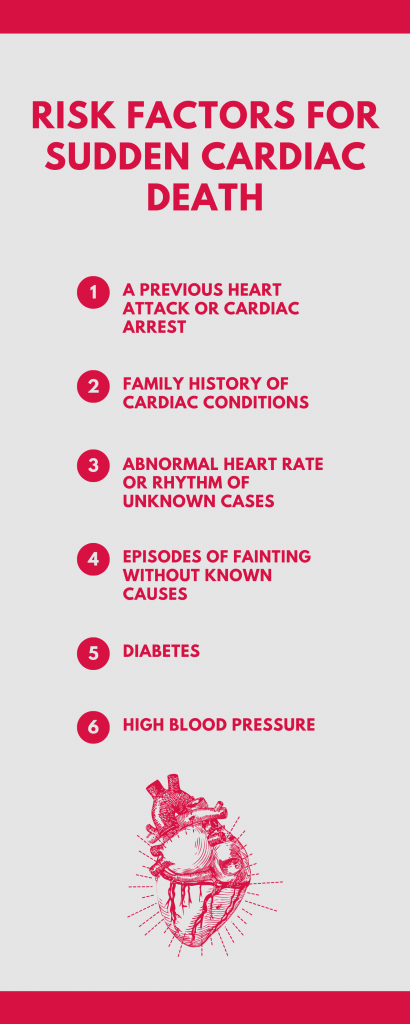
Sudden Cardiac Arrest is a condition in which the heart unexpectedly stops beating, blocking the blood flow to vital organs of the body. The devastation of sudden cardiac arrest is the fact that the survival rate is only 2%; however, an automated external defibrillator can save lives in this emergent situation. Although sudden cardiac arrest can be an unexpected situation, there are risk factors, signs, symptoms that everyone should be educate about to prevent sudden cardiac arrest. Sudden cardiac arrest is actually the leading cause of death across the world as 17.5 million people across the globe die from sudden cardiac arrest every year. Prevention begins with community education.


Sudden Cardiac Arrest in the IDD Community

Cardiovascular signs and symptoms are often overlooked in the IDD community because of their behavior, but it is it critical for caregivers and healthcare providers to pay close attention to all physical, behavioral, and emotional changes of individuals with intellectual and developmental disabilities. A lack of quality sleep, increase fatigue, and sudden changes in emotions can in fact be symptoms for cardiovascular complications in the IDD community. In order to prevent arrythmias (irregular heart rhythms) that lead to sudden cardiac arrest, individuals with IDD must remain vigilant in living a healthy lifestyle and receiving access to quality care.


What is S.C.A.R.F.

S.C.A.R.F. is a non-profit organization dedicated to educating people about the signs and prevention of sudden cardiac death/arrest. Many instances of sudden cardiac arrest occur without immediate warning, with minimal or easily overlooked symptoms. However, most people do not realize that there are plenty of signs for cardiac complications.

In addition to the informational resources and training we provide, we are unique as an organization in that we actually also treat patients ourselves. We are on the front lines with the challenges of heart disease, and we understand the challenges that patients need to overcome on a regular basis. We hope that you join us in our mission to reduce the epidemic of heart disease.


S.C.A.R.F. AED Donation Program

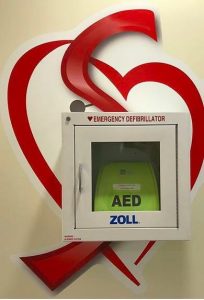
At S.C.A.R.F. we know that the access to an AED is critical for survival during sudden cardiac arrest. The goal of our AED donation program is that all public places have an AED in case of emergency. Each time we donate an AED, we will educate the employees and volunteers at the organization. You can contact us on behalf of your organization or nominate one that you think may benefit from this gift. This AED donation program is limited to non-profit organizations. Please visit https://www.scarfnow.org/aed-donations to apply for an AED donation.

S.C.A.R.F. Provides Clinical Access to the IDD Community

S.C.A.R.F. believes that every individual should have access to quality care; therefore, we are constantly connecting with organizations and patient across the country to provide access to quality care. The S.C.A.R.F. healthcare providers are trained to provide quality care to individuals from various communities, including the IDD community. Please contact S.C.A.R.F. to join us in our mission to spread awareness about sudden cardiac arrest while providing quality care to our community.


Contact S.C.A.R.F.

Website: https://www.scarfnow.org
Email: info@scarfnow.org
Phone Number: 815-595-3050
Facebook: @scarfnow
Linkedin: @scarfnow
Instagram: @scarfnow

Benefits of ELearning for Healthcare Professionals

The COVID-19 pandemic has changed many things, including how we work and learn, interact as a society, and of course, the importance we place on good old TP. All jokes aside, professionals have begun to take a sudden new approach to industry-related training and learning. The good news? It may be for the best.

Online education has become widely accepted and sought after in recent years because of its convenience, effectiveness, and versatility.

It is projected to grow in popularity exponentially in direct response to the COVID-19 pandemic. Below we’ll examine some of the benefits this exciting education opportunity offers to professionals of all ages, education levels, and positions.

  • Online learning is conducive to everyone’s needs
    eLearning’s customizability makes it practical for every type of learner. Whether you prefer video, audio, webinars, textbooks, or worksheets, you will have the tools needed to learn long-lasting skills for supporting individuals with disabilities. According to the WHO, professionals “acquire knowledge and skills through online and offline eLearning as well as or better than they do through traditional teaching.”[1] Learning online is much more convenient for professionals seeking CEs and professional growth, making it easier to grasp and digest content. What’s not to love?!

  • Content can be reviewed any number of times
    Unlike traditional classroom teaching, online learning provides professionals the chance to access content an unlimited number of times. Healthcare professionals can turn to this wealth of knowledge when they have questions. Many professionals remember reading something about the topic but do not remember the details of it. Thanks to eLearning, they can find the answers they need within minutes.

  • eLearning is convenient
    We know you are busier than ever, juggling new regulations, best practices, and the needs of those you serve. The last thing we want to do is add more unmanageable tasks to your schedule. eLearning allows you to take courses whenever you have time (and energy!). Professionals who take courses on their own time gain valuable information that is better understood and retained.

  • eLearning allows you to invest in yourself
    By taking the initiative to gain new skills, certificates, and knowledge, you set yourself up for success in your current and future positions. eLearning allows you to stay up to date with healthcare’s latest developments, ensuring you remain competent in your field. Staying current is essential to protecting the people you serve, and it makes your job much more fulfilling and rewarding.

  • eLearning improves quality of living for those we serve
    Working in this industry has its challenges, but above all, we know you are committed to helping those you serve live their best lives. By staying educated and working to grow your skills, you will directly improve the quality of their life. eLearning courses focused on Person-Centered Practices (PCP) teach staff to prioritize the wants and needs of those we serve, not just what they believe is best for an individual. This helps individuals in retaining their autonomy while still receiving necessary supports. Staff who use PCP report feeling more accomplished with their work and closer to those they serve.

COVID-19 has caused professionals to shift their continuing education online rather than halt it altogether, and the benefits are evident. eLearning directly contributes to more successes for individual employees, the company, and above all, the people we serve. Individuals can grow their knowledge and skills at higher rates than ever because of eLearning with added convenience and versatility not available in a traditional classroom setting. eLearning is undoubtedly here to stay, and for a good reason.


[1]   E-Learning as good as traditional training for health professionals: Where is the evidence? (2015, January 15). Retrieved June 17, 2020, from https://www.who.int/

Protective Equipment and Persons with IDD

Although people might be getting a little weary of hearing about the COVID-19 pandemic, it is still a very real issue and we need to remain highly vigilant. That includes wearing protective equipment when appropriate. When should masks be worn and how do you safely put them on and off? The World Health Organization (WHO) offers simplistic and helpful demonstrations and explanations regarding masks.

It is difficult for many people to wear these articles. If a person wears glasses and the mask is not put on appropriately, it steams them up. Or, the mask slips down on the face and it must be retied or adjusted. It could just feel very odd so that people are constantly trying to adjust it for comfort. Maybe the person is claustrophobic and has a feeling of suffocation if they can’t breathe in fresh air. What if the person with I/DD is fabric-sensitive, smell or touch sensitive? What if they are simply noncompliant? These are challenges that support persons are dealing with every day.

Here are a few things you can try:

1) Try putting masks on stuffed animals. Let the person put the mask on the toy and then apply their own mask or allow staff to apply it. The support person may have to put it on the stuffed animal. Leave it on the animal for a while so that they can see it isn’t bothered by wearing a mask. It may take several times of putting the mask on the stuffed animal before the person will allow a support person to put a mask on their face or put the mask on their own face.

2) If fabric masks are being used, have several pieces of fabric options and allow the person to choose what they want. Try to have different textures, colors and prints available. Select elastic that is not too tight so that it won’t hurt their ears. If elastic is not available, use large hair ties. The fluffy hair ties that are elastic may be used, too. Try masks with no elastic but instead have simple ties that go around the head. Again, allow them to select the elastic or ties.

3) Let them have a mask to carry around and hold and feel. Let the person try it on and take it off. It doesn’t matter if they destroy it, give them another type to play with and see if there is more success with it. Slowly try to desensitize. Let them wear a mask for ten seconds, then take it off. You may even have to start with a shorter time and add a second or two each time you put the mask on them. You can even make an activity out of it. “Mask time” is when everyone can demonstrate putting on and taking off a mask appropriately. You may try a reward system after they wear the mask for a while such as picking a special treat, a trip to the park, FaceTiming with family (make sure they have the mask on and give the person a lot of praise) or simply spending 1:1 time with their favorite staff.

4) Let them personalize their mask. Again, allow them to select the fabric. If using disposable masks give them a Sharpie® and let them draw on the mask and make it theirs. Provide different stencils that the support persons can help them with, such as cars, butterflies or action figures. Find pictures in magazines and hot glue to the mask. (Be very careful if you are using a hot glue gun near the person! Not only the glue gun, but the hot glue itself can burn the person.) Allow them to make two masks so they can choose which one to wear. This can also be done on a fabric mask, but if drawing, they are stuck with only one or two drawings.

5) The support person can also go to a party supply store, or again use a stencil, and get some crazy big glasses. Hot glue the mask to the glasses making sure the glasses won’t interfere with the fit. This can be done with cloth or disposable masks. If the glasses interfere too much with the fit, make some using a stencil and heavy construction paper. The person can select how they want their glasses to look and again they personalize with drawings or pictures. Be mindful the the glasses do not obscure the person’s vision.

6) The staff can have a “Western” time. Everyone puts on a cowboy hat and has a bandana. Watch old Westerns where many of the characters wear a bandana mask. Allow the person to try a simple bandana mask. This is much better than wearing nothing. (I would suggest you avoid The Lone Ranger TV series, because the main character only wears a mask that covers the eyes and obviously that would not be effective against COVID-19.)

Suggested Old Western Series:
a. Bonanza
b. Roy Rogers
c. Gunsmoke
d. Hop Along Cassidy
e. The Rifleman
f. Wagon Train
g. Maverick

The shows can often be found on ME TV or H and I TV channels. If you find some that are appropriate, DVR them and you will always have something to watch.

I hope this gives you some suggestions that might not have been tried. Even if all the people in support have no problem with masks, most of these suggestions can still be used to personalize their masks. All any of us can do is hope this nasty virus leaves us soon!

By Sherry Neal, RN-BC, CDDN


HRS Press Release on COVID-19

Amidst COVID-19 Pandemic, HRS’s Health Risk Screening Tool Could Save Lives of People with Intellectual Disabilities

As COVID-19 disproportionately affects the lives of society’s most vulnerable, caregivers of people with intellectual and developmental disabilities (IDD) are left unprepared.

But the efficacy validation by the Journal of Nursing Measurement of the Health Risk Screening Tool (HRST) for assessing mortality risk helps them plot a course of action to save lives.

The rampant spread of COVID-19 shows that calculating risk factors for vulnerable populations is a matter of life and death. That’s proven in a study conducted by researchers at UNSW showing people with an intellectual and development disability (IDD) are twice as likely to die from a preventable death.(1) High-risk groups, like those with IDD, lack the ability for caregivers to perform simple risk assessments that could save lives. Though that is changing, as the Health Risk Screening, Inc.’s Health Risk Screening Tool (HRST) for identifying risk in people with IDD has been endorsed by the Journal of Nursing Measurement.(2)

According to Dr. Craig Escudé, the president of Health Risk Screening, Inc., it’s never been more critical in understanding the risks of COVID-19 for this more vulnerable group of individuals, and even more important is being able to take steps to mitigate such risks. “Healthcare professionals and caregivers are at a huge disadvantage in providing care for those with IDD during the COVID-19 pandemic,” Dr. Escudé says. “This leaves them helpless in assessing mortality risk and providing care for their patients and loved ones.”

IDD Health Risk Screening and Advocacy

The time-tested HRST is a web-based tool currently used in 26 states that determines the mortality risk level of people with IDD to ensure that the support staff for these individuals know precisely when and how to act. The efficacy endorsement from the peer reviewed Journal of Nursing Measurement shines an important light on the growing use of the HRST. As the leading nursing journal, Journal of Nursing Measurement focuses on addressing instrumentation, tools, and approaches in regard to nursing, research practice, and education.

The efficacy of the HRST to predict mortality was validated by a study of 12,582 people with IDD residing in the state of Georgia. The study results showed that the HRST can predict mortality through health risk assessment. Therefore, it can serve as a basis for establishing healthcare needs and determining nursing care acuity for people with IDD.

When it comes to easily transmittable viruses—like COVID-19—that may even lead to death, society’s most vulnerable have always been at a much greater risk. But the current pandemic is revealing an acute problem, in which cities and states are putting those with IDD at an even greater risk. This can be seen in the pushback by disability advocates that have lodged complaints with the HHS Office for Civil Rights. The groups target the coronavirus response plans of several states that they claim would jeopardize people with disabilities.(3)

Risk and Mortality with IDD and COVID-19

People with comorbidities—which can be prevalent among those with IDD, according to the Centers for Disease Control and Prevention—may be more susceptible to severe illness and death from COVID-19.(4)

According to Dr. Escudé, people with intellectual and developmental disabilities encounter five common challenges that put them at a higher risk for illnesses like COVID-19:

  1. A higher percentage of people with disabilities have comorbidities, such as diabetes and other conditions.
  2. Some may have restrictions in their ability to take deep breaths or even cough effectively due to musculoskeletal issues.
  3. Those with higher rates of aspiration may have scarring of their lungs.
  4. Some habitually place items in their mouth, which can increase the risk of contact with infectious materials.
  5. Those who require frequent emergency department or medical visits may have increased exposure to people with illnesses.

Other leading experts on the topics of aging and intellectual disabilities agree that people with IDD are particularly vulnerable to adverse outcomes associated with COVID-19 due to having:(5)

  • Several health conditions.
  • Low levels of health literacy.
  • Reliance on others for their care.
  • Smaller networks and less social support than the general population.
  • Reduced comprehension regarding the need for visiting restrictions.

Performing a health risk screening on someone with IDD determines their level of risk as well as provides actionable steps to mitigate that risk from a number of different conditions. This data can be used to reroute scarce human and financial resources to where they will be most effective. This not only lowers the risk for people with IDD, but it also helps lower the spread of COVID-19 for the general population.

Furthermore, for those who have relied on the HRST prior to COVID-19, many are already seeing the advantages of having the resource available throughout the crisis, such as with the nonprofit organization, CADES (Children and Adult Disability and Educational Services). “We implemented HRST two years ago, and it has been our foundation through this pandemic, and for that we are so grateful. Keep leading us!” says Julie Alleman, MSS, the CEO of CADES. Such testimonials show just how beneficial the HRST tool can be when it comes to reducing risks for those already faced with the challenges of IDD, especially during such critical and uncertain times.

“We are all in this fight against COVID-19 together,” Dr. Escudé says. “With each state knowing that the HRST is a proven way to identify those most at risk for serious consequences from illnesses such as COVID-19 via the Journal of Nursing Measurement, they’re empowered with action steps to help mitigate that risk.”

About Health Risk Screening, Inc.

Health Risk Screening, Inc.’s roots began in 1992. Along with training courses, webinars, and materials, HRS is the sole developer, producer, and distributor of the web-based Health Risk Screening Tool (HRST). The HRST is the most widely used and validated health risk screening instrument for people with intellectual and developmental disabilities.

HRS’s focus is on developing tools and training for the person-centered support of such vulnerable populations. Through the education of government agencies and service providers, HRS aims to improve lives. With unrelenting focus, HRS works to fulfill its mission of improving the health and quality of life for people faced with these types of vulnerabilities. To learn more, visit https://replacingrisk.com.


1. Dan Wheelahan. “People with intellectual disability are twice as likely to die a preventable death,” UNSW Sydney Newsroom, February 8, 2017, newsroom.unsw.edu.au/news/health/people-intellectual-disability-are-twice-likely-die-preventable-death

2. Roszkowski, Michael J., PhD, Thomas, Michael M., MS, Conroy, James W., PhD, Ivy, Catherine, MS, LCSW, Gravitt, Gwendell W.Jr., PhD. An Examination of the Validity of the Health Risk Screening Tool: Predicting Mortality in People With Intellectual Disabilities, Journal of Nursing Measurement, Springer Publishing Company Connect, March 16, 2020, connect.springerpub.com/content/sgrjnm/early/2020/03/16/jnm-d-18-00088

3. Shaun Heasley. “Trump Administration Says Disability No Reason To Deny COVID-19 Care,” Disability Scoop, March 30, 2020, disabilityscoop.com/2020/03/30/trump-administration-says-disability-no-reason-to-deny-covid-19-care/28065/

4. Blythe Bernhard. “Coronavirus Brings Added Worries For People With Disabilities” Disability Scoop, March 17, 2020, disabilityscoop.com/2020/03/17/coronavirus-brings-added-worries-disabilities/27989/

5. Deborah Condon. “COVID-19 and intellectual disabilities Particularly vulnerable group,” Irishhealth.com, Mar 23, 2020, irishhealth.com/article.html?id=27072


Media Inquiries

Karla Jo Helms
JOTO PR
727-777-5140

Kimberly Zambrello
JOTO PR
727-777-4622

www.jotopr.com
Journal of Nursing Measurement Vol 28 Issue 1

Methods: The sample consisted of 12,582 people with an intellectual or developmental disability residing in Georgia (U.S.). Data were analyzed using survival analysis (Kaplan-Meier estimate and Cox regression) and a binary logistic regression.

Results: All models supported the prognostic value of the six-level health risk classification. The Kaplan-Meier procedure showed clear separation among functions. The Cox proportional hazard regression revealed that hazard is inversely related to the health risk level, even after controlling for potential confounding by gender, ethnicity, and race.

Conclusions: The HRST can predict mortality. Therefore, it can serve as a basis for establishing healthcare needs and determining nursing care acuity.

 Download a PDF of the report.

Bay News 9 Interview with HRS President Dr. Craig Escudé

How Coronavirus Concerns Can Impact Those with Mental Disabilities

Bay News 9 requested HRS Inc President, Dr. Craig Escude, to weigh in on the subject of COVID-19 and people with IDD.

“ Sometimes people with disabilities are more sensitive to changing of routines or environments or their support staff, and again that presents additional challenges,” said Dr. Craig Escudé, President of Health Risk Screening, Inc. “And sometimes that comes out as an adverse behavior simply because the person is trying to communicate what they’re feeling.”

Go to the Bay News 9 Article >