Announcing a New IntellectAbility Academy Course: Trauma-Informed Support for People with IDD

Announcing a New IntellectAbility Academy Course: Trauma-Informed Support for People with IDD


Supporting people with intellectual and developmental disabilities (IDD) requires more than understanding diagnoses or following support plans. It requires recognizing the lived experiences that shape behavior, identity, and relationships—especially experiences of trauma. That is why the IntellectAbility Academy is introducing a new self-paced training designed specifically for frontline supporters: the Trauma-Informed Support eLearn Course.

This five-module course offers a practical and accessible introduction to trauma-informed support through an IDD-specific lens. It is designed for direct support professionals, clinicians, supervisors, and anyone who supports people with intellectual and developmental disabilities in their daily lives. Whether learners are new to trauma-informed practice or looking to deepen their understanding, this course offers tools they can apply immediately in real-world settings.


Why Trauma-Informed Support Matters in Intellectual and Developmental Disabilities (IDD) Services


People with IDD experience trauma at disproportionately high rates, often from sources that go unrecognized or minimized. Frequent changes in supporters, loss of autonomy, medical procedures, and systemic barriers can all leave lasting impacts. Exposure to trauma is especially prevalent among people with IDD. Sources of trauma can include serious medical interventions, bullying, loss, abuse, neglect, and trauma involving a family member. In fact, Studies show that people with IDD are 7 times more likely to experience sexual abuse than people without disabilities.

Trauma symptoms may manifest as anxiety, withdrawal, aggression, or changes in an individual’s behavior. There are important differences in how trauma responses present among people with IDD, making it essential to recognize and address these unique patterns.

When trauma is not understood, its effects may be misinterpreted as “behavior,” leading to responses that unintentionally cause further harm. This course reframes those moments. Through expert instruction and storytelling from Dr. Karyn Harvey, learners explore how trauma affects the brain, influences behavior, and can contribute to post-traumatic stress disorder (PTSD) in people with IDD. More importantly, they learn how to respond in ways that promote safety, healing, and a strong, positive sense of identity.


What Learners Will Gain


The Trauma-Informed Support eLearn Course is structured into five engaging modules that combine research, lived experience, and practical application.

Learners will:

  • Understand the difference between Big “T” Trauma and Little “t” Trauma and how both affect people with IDD
  • Recognize unique sources of trauma common in the lives of people with IDD
  • Learn how trauma shapes the smart, emotional, and mechanical parts of the brain
  • Identify trauma-based responses such as fight, flight, freeze, and fawn—and distinguish them from intentional behavior
  • Recognize how PTSD may present differently in people with IDD
  • Apply strategies that reduce triggers, strengthen relationships, and support long-term healing

The course also draws from positive psychology, grief counseling, and relationship-based support to help learners move beyond crisis response and toward prevention, resilience, and well-being.


A Practical, Engaging Learning Experience


Like all IntellectAbility Academy courses, Trauma-Informed Support is built for busy professionals. The self-paced format allows learners to progress on their own schedule, with 24/7 access through IntellectAbility’s eLearning Platform (eLP). Interactive videos, visuals, animations, and illustrations bring complex concepts to life, while scenarios and knowledge checks reinforce learning.

The platform automatically tracks progress, monitors completion, and generates certificates, making it easy for organizations to meet oversight, quality, and regulatory requirements.


Inside the Five Modules


The course is organized to build understanding step by step—from awareness to application. Recent research over the past decade, including randomized controlled trials and systematic reviews, has informed the course’s evidence-based practices for supporting patients with IDD and mental illness.


Module 1: Unique Sources of Trauma in the Lives of People with IDD

Learners explore what trauma really means, identify common sources of trauma for people with IDD, and discover how adopting a trauma-informed lens can change everyday support.


Module 2: Trauma-Based Responses and Their Biological Basis

This module explains how trauma affects brain functioning and introduces the fight, flight, freeze, and fawn responses, helping supporters recognize when behavior is rooted in survival rather than choice.


Module 3: Symptoms and Manifestations of PTSD in People with IDD

Learners examine how PTSD may look different in people with IDD and how trauma can shape identity and behavior over time, including the presence of “hidden land mines” that trigger distress. PTSD symptoms can occur alongside other mental health disorders, such as bipolar disorder and generalized anxiety disorder, making it important to distinguish between these conditions. Trauma responses may also occur differently in people with IDD compared to the general population, and recognizing overlapping symptoms with other mental health disorders is essential for accurate assessment.


Module 4: Key Ingredients for Healing from Trauma for People with IDD

This module focuses on what healing requires—especially during critical periods across the lifespan—and provides strategies for building safety, connection, and positive identity. The trauma-informed support approach is emphasized as a key strategy for supporting people with IDD.


Module 5: Positive Practices for DSPs Supporting Individuals with Trauma:

The final module brings everything together with practical tools, including relationship-based approaches, grief counseling strategies, positive psychology techniques, and use of the Happiness Assessment in daily planning. The trauma-informed support approach is also integrated into practical applications for direct support professionals.


Part of a Larger Commitment to Quality Support

The Trauma-Informed Support eLearn Course reflects IntellectAbility Academy’s broader mission: equipping supporters with evidence-based, person-centered education that improves quality of life for people with IDD. By helping teams understand trauma and respond with compassion and skill, this course supports safer environments, stronger relationships, and more meaningful outcomes.


Click to learn more about IntellectAbility and the new Trauma-Informed Support eLearn Course.


Additional Resources:


Person-Centered Thinking in Practice: Supporting Choice, Autonomy, and Dignity of Risk in IDD Services

Person-Centered Thinking in Practice: Supporting Choice, Autonomy, and Dignity of Risk in IDD Services

Person-centered thinking has become a familiar phrase across disability services, yet many organizations still struggle to translate it into everyday practice. While most providers agree that people with intellectual and developmental disabilities (IDD) deserve autonomy, meaningful relationships, and full participation in community life, uncertainty often arises when those goals intersect with health, safety, and perceived risk. This highlights the importance of recognizing and prioritizing the critical role that fostering relationships plays in enhancing well-being, safety, and social inclusion for people with intellectual disabilities.

This tension—between protecting people and supporting real lives—was the focus of a recent IDD Perspectives discussion led by Jonathan Crumley and Dr. Craig Escudé. Their conversation highlighted a critical truth for disability service providers: person-centered support is not about eliminating risk, but about thoughtfully balancing safety and autonomy in ways that respect the person first. Providing appropriate support tailored to each person’s needs is essential, ensuring that assistance is personalized to promote independence and quality of life.


Why Person-Centered Support Still Feels Challenging


Despite decades of progress in community-based IDD services, many systems continue to operate from an institutional mindset. While large institutions have closed, the philosophies that shaped them—rigid routines, collective decision-making, and risk avoidance—often persist in smaller, community-based settings.

This history matters because it explains why person-centered planning can feel difficult in practice. When systems are designed primarily to manage liability, efficiency, and compliance, supporting personal choice can feel unsafe or unrealistic. As a result, people with IDD may live in the community without experiencing true community integration, autonomy, or meaningful relationships. These institutional barriers often result in limited access to social opportunities and healthcare resources, further restricting participation and inclusion for people with IDD.

The CMS Settings Rule was created, in part, to address this disconnect by reinforcing the right of people with IDD to live lives comparable to those without disabilities. Yet compliance alone does not guarantee person-centered outcomes.


When Disability Replaces the Person


A major barrier to person-centered thinking is what happens when disability becomes the primary lens through which support decisions are made. When the diagnosis overshadows the person, it becomes easier to justify restrictive practices—often in the name of safety.

This can include limiting relationships, controlling daily choices, or prioritizing what is “important for” the person over what is “important to” them. These practices are rarely rooted in ill intent. More often, they reflect systems that were never designed to support autonomy, independence, and informed decision-making. Respecting and incorporating the person’s wishes in all support decisions is essential to uphold dignity and self-determination.

Person-centered thinking challenges supporters to reconsider whose needs are truly being met—and whether safety has quietly replaced quality of life as the ultimate goal.


Understanding Intellectual Disabilities


Intellectual disabilities are defined by significant challenges in intellectual functioning and adaptive behavior, which can affect a person’s ability to learn, reason, and solve problems in daily life. These disabilities begin before the age of 18 and may result from a variety of causes, such as genetic conditions, brain injuries, or prenatal factors. For people with intellectual disabilities, everyday activities—like managing routines, making decisions, or building meaningful relationships—can require additional support and understanding.

Person centered thinking skills play a crucial role in supporting people with intellectual disabilities. By focusing on each person’s unique strengths, preferences, and aspirations, a centered thinking approach helps support providers move beyond limitations and see the whole person. This not only supports the development of practical problem solving skills but also fosters self determination and autonomy. When support staff actively listen and tailor their approach to the person’s wishes, they empower people with intellectual disabilities to participate more fully in their own lives and enjoy fulfilling relationships. Ultimately, person centered support is about recognizing each person’s potential and providing the right environment for them to thrive.


Person-Centered Thinking as a Practical Framework


One of the most persistent myths in disability services is that person-centered thinking is philosophical rather than operational. In reality, it is a structured framework that helps teams navigate complex support decisions responsibly.

At its foundation is discovery—understanding what is important to the person and why it matters to them. Without this step, support planning becomes reactive and generic rather than individualized.

From there, teams identify legitimate risks and barriers. This process does not ignore health and safety concerns; it acknowledges them openly while avoiding exaggerated assumptions. The focus shifts from “why this cannot happen” to “how this could happen safely.”

Education is the next essential component. Just as anyone would seek information before making major life decisions, people with IDD deserve access to education that supports informed choices, risk awareness, and personal growth.

Support is then negotiated rather than imposed. The person maintains control over their goals, while supporters collaborate on how to provide assistance that balances autonomy and protection. Effective communication is essential in this collaboration, ensuring that both supporters and people understand each other’s perspectives and needs. Documentation ensures transparency and continuity, while ongoing monitoring allows supports to evolve as circumstances change. Goal setting is a key part of person-centered planning, helping to create actionable steps toward achieving the person’s desired outcomes.

Practical strategies, such as using specific tools and methods, are vital for implementing person-centered thinking and ensuring that plans are both meaningful and actionable.


Supporting Relationships Through Person-Centered Practices


Few areas test person-centered support more than relationships. Romantic relationships, intimacy, and sexuality are often treated as exceptions rather than natural aspects of adulthood for people with IDD. Understanding and supporting physical intimacy is an important part of helping people build healthy and respectful relationships.

A person-centered approach reframes this assumption. Supporting relationships does not mean abandoning safeguards. It also means teaching about personal space, boundaries, and consent to ensure safety and respect. It means acknowledging that meaningful relationships require education, communication, and planning for everyone—regardless of disability. Supporting social relationships is essential for fostering inclusion and helping people develop interpersonal connections.

By applying person-centered practices, teams can support relationships in ways that respect dignity of risk while maintaining appropriate health and safety measures. This includes collaborative planning, clear communication strategies, and ongoing reflection about what is working and what needs adjustment. Creating a safe space allows people to express their feelings, concerns, and questions about relationships without fear of judgment. Open communication is key to building trust and identifying issues early through transparent conversations. Ongoing education for staff and people with IDD ensures everyone is equipped to understand rights, boundaries, and respectful support. Community involvement helps people build meaningful connections and reduce loneliness through participation in social groups and activities. Encouraging participation in various social settings promotes independence and helps develop friendships. An inclusive environment is fundamental to supporting relationship goals, providing access to education, and ensuring everyone can participate without stigma or discrimination.

When relationships are supported rather than restricted, people with IDD are more likely to experience belonging, self-determination, and improved quality of life.


Rethinking Dignity of Risk in IDD Services


Dignity of risk is often misunderstood as recklessness or unnecessary exposure to harm. In practice, it is neither. Dignity of risk recognizes that all meaningful life experiences involve some level of uncertainty—and that denying people those experiences can be more harmful than the risk itself. It is important to consider the potential consequences of each choice, weighing both the benefits and risks to inform better decision-making and ensure well-being.

Within person-centered support, dignity of risk is carefully managed through education, negotiated supports, and thorough documentation. It is not a single decision, but an ongoing process that evolves alongside the person’s goals and circumstances. Supporting people in making autonomous decisions is essential, as it respects their right to self-determination and aligns with best practices in supported decision making.

When organizations embrace dignity of risk responsibly, they strengthen both individual outcomes and system accountability. This approach helps enhance autonomy for people with intellectual and developmental disabilities, promoting greater independence and quality of life.


Why Person-Centered Support Requires Ongoing Commitment


Person-centered thinking is not a one-time initiative or training requirement. It is a sustained practice that requires continuous learning, reflection, and organizational support. As people grow, relationships change, and new challenges emerge, support strategies must adapt accordingly.

Staff and organizations must be actively working to foster autonomy and self-determination in people with intellectual and developmental disabilities. The goal of these efforts is to foster autonomy by promoting independence, providing decision-making opportunities, and respecting personal choices. Ongoing education is essential for staff to stay informed about best practices and to continuously improve the quality of support provided.

This is especially important in systems with staff turnover, where shared documentation and consistent frameworks ensure continuity of support. When person-centered practices are embedded into daily operations, they become less dependent on individual staff members and more resilient over time.


Moving Toward Truly Person-Centered Services


Supporting people with IDD to live full, self-directed lives requires more than good intentions. Supporting participation in their own communities is essential to ensure inclusion and belonging. The goal of person-centered support is to empower people with IDD to lead independent lives. Support strategies are designed to foster self determination, enabling people to make choices and control their own paths. The desired outcome is for people to become self determined, actively shaping their futures. Environmental factors, such as accessible settings and inclusive policies, significantly influence autonomy and participation. Staff and supporters play a pivotal role in advocating for rights and social inclusion. Peer mentoring and social engagement activities hold a vital role in building confidence and reducing loneliness. The concept of positive control is central, supporting self-direction and authority over one’s life. It is especially those who provide daily support that must be equipped with person-centered thinking skills. This approach often results in less effort required to update and implement service plans. Evidence-based approaches, such as social skills training and peer mentoring, represent an effective strategy for enhancing inclusion. Recognizing and valuing the IDD experience is crucial for understanding personal needs and aspirations. Families are integral partners in supporting autonomy, advocacy, and informed decision-making. Connecting people with IDD to community resources increases inclusion and supports autonomy. Participation in social outings, such as group events or community gatherings, exemplifies meaningful community involvement. Social activities provide opportunities for engagement and relationship-building. Community activities, including local events and online groups, further reinforce social inclusion. For example, a person may receive support during a medical appointment or a family member may assist with planning for social participation. Providing proper education tailored to individual needs helps address communication barriers and empowers people. This approach aligns with best practices in rights-based, person-centered support. Underpinning these strategies is self determination theory, which guides the promotion of autonomy and intrinsic motivation.

Person-centered thinking offers a practical pathway forward—one that balances safety and autonomy without sacrificing dignity. When disab ility service providers commit to this approach, they move beyond compliance and toward truly person-centered services that reflect the humanity of the people they support.

Additional Resources:


Avoiding Preventable Death in People with IDD Using the HRST: A Review of the Latest Mortality Research

Avoiding Preventable Death in People with IDD Using the HRST: A Review of the Latest Mortality Research 

For people with intellectual and developmental disabilities (IDD), health is never solely about lab values or medication lists. It is about whether someone can continue attending their day program, seeing friends, spending time with family, and doing what they enjoy.

It is also about whether the systems around them are capable of recognizing problems early enough to prevent avoidable crises and deaths.

In the webinar Avoiding Preventable Death in People with IDD Using the Health Risk Screening Tool (HRST), Dr. Craig Escudé and IntellectAbility Clinical Director and nurse, Daleigh Tallent, reviewed powerful new findings from the 2023 Georgia Department of Behavioral Health and Developmental Disabilities (DBHDD) annual mortality report and showed how the Health Risk Screening Tool (HRST®) can help teams respond to those findings in concrete, person-centered ways.

This blog recaps the key messages from that session. It connects the mortality data to everyday practice, showing how the HRST can help reduce preventable deaths and improve quality of life for people with IDD.


Understanding Health Disparities for People with IDD 

If you work in IDD services, you probably do not need to be convinced that health disparities exist. People with IDD visit emergency departments more often than people without disabilities. When they are hospitalized, they have a higher risk of dying. Research shows they are roughly twice as likely to die from preventable causes (The Center for Inclusive Health).

Many of these causes are related to what is often called the “Fatal Five”: aspiration, seizures, constipation and bowel obstruction, dehydration, and sepsis, along with severe complications of gastroesophageal reflux disease (GERD).

These outcomes are not inevitable. They reflect preventable differences in access, recognition, follow-up, and training.

Communication challenges are a significant factor. Many people with IDD cannot easily describe their pain, discomfort, or subtle changes in how they feel. Early signs of illness, such as a new change in behavior, a loss of interest in activities, small changes in appetite, or a slight shift in bowel patterns, can be overlooked or dismissed as “just how the person is.” Early detection and assessment of health concerns is critical to identifying health risks before they become serious problems for people with IDD.

On top of that, there is a widespread lack of training on IDD health for both clinicians and supporters. Most physicians receive little or no formal education about providing healthcare to people with IDD. Many case managers, direct support professionals, family supporters, and other supporters are not given the tools they need to recognize early warning signs of health destabilization. Add to this the reality of limited access to knowledgeable clinicians—especially in rural areas—and the constant pressure of budget constraints, and you have conditions that can easily amplify existing disparities.

Reduced access to appropriate support and resources further contributes to health disparities among people with IDD. Improving the availability and quality of healthcare services is a key modifiable factor in reducing preventable deaths and promoting health equity for this population.

What Dr. Escudé emphasized is that, even in the face of limited resources, we cannot allow people with IDD to decline simply because systems are complicated or funding is tight. We cannot ignore our responsibility to ensure that each person’s health is actively monitored, that risks are recognized, and that action is taken. That is where a structured, evidence-based tool like the HRST becomes essential.


What the Health Risk Screening Tool (HRST®) Does 

The Health Risk Screening Tool (HRST) is a HIPAA-compliant, web-based screening tool developed to identify health risks in people with IDD and other at-risk populations, including people who are aging, people with physical disabilities, and people with traumatic brain injury. Rather than requiring new information, the HRST organizes and interprets data that teams are already collecting into a clear picture of health risks and necessary follow-up.

At its core, the HRST is a 22-item rating scale that examines several domains: functional status, behavior, clinical issues affecting daily life, physiological risk areas linked to the Fatal Five and other conditions, injuries and falls, and utilization of healthcare services, including hospitalizations and emergency room visits.

Each item is scored using straightforward yes/no questions and objective criteria. The tool does not allow users to simply “pick a number” based on a hunch. Instead, it calculates scores based on the answers entered and then assigns an overall Health Care Level from 1 through 6. These Health Care Levels categorize people based on their health risks to facilitate early detection and intervention. The HRST uses these categories as a classification scheme to group people according to their risk level, supporting targeted analysis and response.

Health Care Levels 1 and 2 are considered lower risk, Levels 3 and 4 represent moderate risk, and Levels 5 and 6 indicate higher risk. Once the rating is complete, the HRST generates a set of person-specific service considerations and training considerations. These are not generic suggestions. They are targeted recommendations that say, in effect, “Based on this person’s patterns of risk, here are the concrete steps the team should consider next,” and “Here are the topics supporters need training on to recognize and respond to these risks.”

Years of research, including peer-reviewed studies published in journals such as the Journal of Nursing Measurement, have shown that the HRST can predict mortality risk based on Health Care Level. That means the Health Care Level is not just an administrative category. It is a meaningful indicator of a person’s likelihood of death in the coming period, assuming no changes occur. This makes the HRST a powerful tool for prioritizing attention, shaping proactive interventions, and focusing limited resources where they are most needed.

By identifying health risks and guiding interventions, the HRST supports health promotion for people with intellectual and developmental disabilities.


Inside the 2023 Georgia DBHDD Mortality Report 

The Georgia Department of Behavioral Health and Developmental Disabilities has produced an annual mortality report for adults with IDD for ten years. The 2023 report, which was highlighted in the webinar, examined a population of 13,916 adults with IDD who were at least 18 years old, had a primary diagnosis of an intellectual or developmental disability, and were Medicaid waiver recipients. Medicaid data was used to analyze mortality rates and health outcomes among this population, providing valuable insights into health disparities and trends.

Importantly, Georgia uses the HRST for people receiving both residential and non-residential supports. That reflects a critical belief: health risks do not disappear or suddenly change simply because someone lives in a different type of setting.

In calendar year 2023, there were 237 deaths in this population. That corresponds to a crude mortality rate of approximately 17 deaths per 1,000 people, or about 1.7 percent. Compared to US adults in the general population, adults with IDD experience higher mortality rates and unique health disparities. When the data were analyzed by HRST Health Care Level, a very clear pattern emerged. As the Health Care Level increased, the risk of death also increased. There was a marked jump at Health Care Level 4, which previous years of data have already associated with the highest risk of unexpected death.

When analysts looked back over a full decade of mortality reports, the same pattern held steady year after year. As the Health Care Level climbed from 1 through 6, mortality rates consistently rose. This stability over time supports the reliability of the HRST as a predictor of health risk and mortality, and it reinforces the importance of monitoring Health Care Levels and responding promptly when they change.


Key Findings: Risk Factors, Age, and Causes of Death 

Daleigh Tallent highlighted several specific findings from the 2023 report that have direct implications for daily practice. One of the most important is that a two-point increase in Health Care Level is associated with a statistically significant increase in mortality risk. If a person’s Health Care Level jumps from, for example, 2 to 4, or from 3 to 5 within a year, that change should be treated as a serious warning sign. In reality, even a one-level increase should prompt a careful review, because it moves the person further along the continuum toward higher risk.

The report also identified certain individual HRST items that are strongly associated with mortality. Item V, which looks at hospital admissions within the past 12 months, is one of them. For each unit increase in the score for hospital admissions, the probability of mortality rises by roughly 36 percent. This connects directly with what Dr. Escudé shared earlier: when people with IDD are hospitalized, they carry a higher risk of dying in the hospital than the general population.

Item E, which captures clinical issues affecting daily life, is another important predictor. This item measures how often physical, mental, or behavioral health conditions prevent a person from engaging in their preferred activities. As the number of “affected days” goes up—days spent in the hospital, in healthcare appointments, or otherwise restricted by health issues—the score increases. For each score increase in Item E, the probability of mortality increases by about 29 percent. This suggests that when someone’s health increasingly interferes with their everyday routines, it should be interpreted as a sign of health instability that warrants active follow-up.

Age remains a factor, as it is in the general population. The study found that increasing age was significantly associated with mortality and that the highest risk of death was seen in the age groups 55 to 64 and 65 to 74.

However, the report also noted something unique about people with IDD: four of the leading causes of death in this group were not the same as those in the general population.

Conditions such as sepsis, pneumonia, and aspiration pneumonia appeared prominently. In many cases, death certificates did not specify whether pneumonia was community-acquired or aspiration-related, which likely means some aspiration pneumonia cases were hidden under a general pneumonia label. Sepsis and aspiration pneumonia are both Fatal Five conditions. Their prominence in the mortality data underscores the importance of training supporters to recognize early signs of infection, aspiration risk, and respiratory compromise.


Turning The HRST Data into Proactive Action 

It is one thing to have data and another to know how to use it. The most powerful aspect of the HRST is not just the final Health Care Level number, but the way it directs teams toward specific actions and training priorities.

The first and most direct way to use HRST data is to take service considerations and training considerations seriously. For each person, the HRST generates specific recommendations based on their particular pattern of scores. These recommendations should not be seen as optional extras. They are designed to guide the work of the entire team: the person receiving services, family members, case managers, support coordinators, direct support professionals, nurses, day program staff, residential staff, and clinicians.

For example, consider someone who scores a 4 on the self-abuse item because they require one-to-one supervision due to self-injurious behaviors. The HRST might prompt the team to look for possible medical causes, especially if the behavior is new, worsening, or has been present for a long time without an underlying cause. Instead of accepting “this is just how they are,” the team is encouraged to ask, “What might be underneath this?” The related training consideration might direct the organization to train supporters on recognizing the signs of emergencies associated with self-injury and what to do in those situations. When teams actively use these service and training considerations as prompts for action, the HRST becomes a practical tool for prevention, not just documentation.

The second way to turn data into action is to pair HRST outputs with IntellectAbility’s clinical briefs. These short, focused documents help explain common risk areas in people with IDD and outline what clinicians should consider when evaluating them.

If a service consideration recommends ruling out medical causes for changes in behavior, a clinical brief on “medical causes of behaviors in people with IDD” can be shared with the primary care provider, neurologist, or psychiatrist. This brief provides context on communication differences, pain expression, sensory issues, and common underlying conditions, helping clinicians understand why a more thorough evaluation is necessary. In this way, HRST data can serve as a bridge between community-based supports and healthcare providers.


Integrating the HRST with Technology and Reporting 

Modern support systems rely heavily on technology, and the HRST is designed to fit into that landscape. One example highlighted in the webinar is the interface between the HRST and StationMD, a telehealth service that focuses on people with IDD.

Through this partnership, StationMD clinicians can access a person’s HRST record during a telehealth visit. This gives them immediate insight into critical information such as whether the person uses a G-tube, has a known aspiration risk, or has a history of frequent seizures or hospitalizations. For the clinician, this context can shape vital decisions, such as the type of medication to prescribe and the form in which it should be administered.

The HRST can also connect with eMAR systems, like Impruvon Health, to import diagnoses and medications directly, reducing duplicate data entry and improving accuracy. In addition, IntellectAbility can work with organizations and states to connect the HRST to existing electronic systems, allowing key risk data to follow the person rather than being confined to a single platform.

Another powerful feature of the HRST is its reporting capabilities. The system includes more than 90 standard reports, as well as a flexible custom report builder. These reports can be used to identify patterns and inform decisions at the person, agency, or state level.

For example, a nurse or quality team can pull a report of everyone with seizure-related risk scores in the higher ranges and check whether seizure plans, monitoring, and staff training are in place and up to date. They can generate lists of people taking antiepileptic or psychotropic medications to ensure that monitoring for side effects, including tardive dyskinesia, is occurring as recommended. They can also build targeted reports focused on Fatal Five-related risk items, identifying who is most at risk for aspiration, constipation, dehydration, or sepsis.

Perhaps most importantly, reports can track changes in Health Care Levels over time.

If someone’s Health Care Level has increased by one or two points in the last year, that is a clear signal that their risk has grown and that the team needs to respond. Conversely, decreases in Health Care Level over time suggest that current supports and interventions are working and should be sustained and strengthened.

Tallent mentioned that she would want to run a report of everyone at Health Care Level 4, the level associated with the highest risk of unexpected death, to ensure that these people are receiving closer monitoring and proactive interventions. These are the people who may sound excited on Friday about weekend plans and then end up in a medical crisis before Monday if early warning signs go unrecognized.


Correcting Misjudged Risk: Insights from Ohio

In partnership with the Ohio Department of Developmental Disabilities, IntellectAbility conducted a pilot study in which supporters were asked to estimate a person’s Health Care Level before seeing the HRST results. Their estimates were then compared to the actual Health Care Levels generated by the tool.

The results showed that supporters often misjudged risk in both directions. In some cases, they overestimated the risk of people they believed to be more medically fragile than they truly were. In other cases, they underestimated the risk of people whose true Health Care Levels turned out to be higher than they expected. This matters because these judgments influence how support teams prioritize time, attention, and resources. When risk is underestimated, serious health issues may be overlooked or dismissed until they become emergencies.

In the same pilot, 79% of supporters agreed that the HRST identified risk factors they had previously been unaware of. These were real, actionable risk factors that simply had not been on their radar. The HRST not only uncovered those risks but also offered immediate, concrete guidance on the next steps through the service and training considerations. This finding reinforces the value of using an objective, evidence-based tool rather than relying solely on gut feeling or familiarity with the person.


Real-World Impact: What Happens When HRST is Used Well 

The webinar concluded with real-world examples of systems and agencies that have achieved measurable results from intentionally and consistently using the HRST. Over time, organizations have reported reductions in unnecessary medications, decreases in average Health Care Levels, fewer falls, and fewer emergency department or urgent care visits.

Lower Health Care Levels are more than numbers on a dashboard—they represent added years of life and better daily experiences for the people being supported.

One example described a state that utilized HRST reports to identify patterns. They discovered a group of people who had similar behaviors, such as hand mouthing and pica, and many of them had service considerations recommending a gastroenterology consult to evaluate for GERD. The state followed those recommendations, arranged GI consultations, and found that many of those people did in fact have GERD.

After treatment began, their discomfort decreased, their hand mouthing and pica behaviors declined, and their agitation around mealtimes improved. With behaviors improving, teams were able to reduce or eliminate certain psychotropic medications, which in turn lowered the risk of side effects and polypharmacy.

For each of those people, the impact was deeply personal: less pain, more comfort, and a better quality of daily life. For providers and funders, these changes also meant fewer crises, fewer expensive medical interventions, and more efficient use of limited resources. The HRST served as the starting point that made those changes possible.


Moving Toward Prevention and Person-Centered Health 

The ten years of mortality data from Georgia make one truth very clear: with the right tools, we can see risk coming. Higher Health Care Levels consistently predict higher mortality risk. Increases in Health Care Level, more frequent hospital admissions, and more days where health interferes with daily life are all early warning signs. The leading causes of death for people with IDD, particularly Fatal Five-related conditions such as sepsis and aspiration pneumonia, are often preventable with timely recognition and action.

Dr. Escudé and Tallent invite the field to embrace a culture shift. Instead of saying, “This is just how it is in IDD,” they encourage teams to ask, “What is really going on, and what can we do sooner?”

Instead of remaining stuck in a pattern of reacting to emergencies, they encourage organizations to use HRST data and mortality findings to design systems of proactive, person-centered support. Instead of accepting health disparities as inevitable, they challenge us to use tools like the HRST, along with training and technology, to close those gaps.

For current HRST users, the next step may be to explore reporting options more deeply, to build a process for reviewing service and training considerations, or to partner with IntellectAbility staff to help interpret data and plan interventions. For states and organizations not yet utilizing the HRST, this is an opportunity to consider how a validated risk screening tool could fit into existing quality improvement, case management, and health monitoring efforts.

At the heart of all this, as Tallent reminded webinar attendees, each data point in a mortality report represents a real person—someone with relationships, routines, dreams, and a life story. Using the HRST well is one concrete way to honor those lives by doing everything possible to avoid preventable deaths and to replace risk with health and wellness for people with IDD.


Additional Resources: 


Unlocking Support: A First-of-Its-Kind Free Course on Substance Use Disorder and IDD

Unlocking Support: A First-of-Its-Kind Free Course on Substance Use Disorder and IDD

For years, supporters, clinicians, families, and service systems have struggled with a gap no one could ignore: a lack of training that speaks directly to how substance-use disorders (SUD) affect people with intellectual and developmental disabilities (IDD).

Compared to the general population, people with IDD have lower rates of illicit drug use, but the risk of substance-related problems remains significant for those who do use.

While research, advocacy, and clinical experience have all pointed to the need for tailored education, research suggests there has never been a structured pathway to help providers understand how SUD presents differently in people with IDD, and how to support them in ways that honor dignity, safety, and person-centered practice.

That changes today.

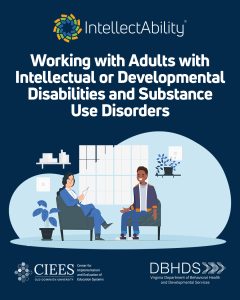
A new free course developed by the Center for Implementation and Evaluation of Education Systems (CIEES) and the Virginia Department of Behavioral Health and Developmental Services—with IntellectAbility proudly serving as source experts—is the first training of its kind in the nation dedicated entirely to the intersection of IDD and substance-use disorders.

This project gives supporters something they have never had before: accessible, evidence-informed, person-centered guidance explicitly designed for adults with IDD who may be experiencing or are at risk of experiencing substance abuse disorder. People with IDD who do use substances are at elevated risk for problematic outcomes. And because the full course is entirely free, agencies, case managers, DSPs, clinicians, and families can benefit immediately without cost barriers.

Why Substance-Use Education for Intellectual and Developmental Disabilities (IDD) Supports Has Been Missing

What makes this series so groundbreaking is not just its topic but its depth. The issue of substance abuse among people with IDD has not been widely recognized, leading to significant gaps in prevention education and treatment engagement. The unique challenges at the intersection of IDD and substance abuse require specialized approaches that address both cognitive and behavioral complexities.

Historically, the intersection of IDD and SUD has been overlooked, often because symptoms can present differently, risk factors may be misunderstood, and many training programs lack content specifically tailored to people with IDD. Substance abusers with IDD face specific barriers to recognition and treatment, including misdiagnosis and limited access to appropriate resources. Addressing IDD and substance abuse presents unique challenges due to these misunderstood risk factors and the need for adapted intervention strategies.

Supporters, those closest to the person, have long expressed uncertainty about how to identify substance abuse disorder in a way that respects autonomy while protecting health and safety. Substance abuse problems in this population are often overlooked due to cognitive and behavioral challenges, making early identification and intervention even more critical. This course fills that long-standing gap by creating a shared foundation of knowledge that is both clinically sound and accessible.

Inside the Course: What Learners Will Discover 

The course begins by grounding learners in the fundamentals: What substance-use disorders are, how they manifest, and why standard approaches to treatment and recognition may not adequately reflect the experiences of people with IDD. The course also examines the clinical characteristics of substance use disorders in people with IDD, including cognitive, adaptive, and behavioral traits that influence diagnosis and intervention. Exposure to substances can lead to patterns of addictive behaviors in people with IDD, making it crucial to understand the unique challenges they face.

From there, the modules examine how substance abuse disorder affects the person’s life as a whole, including relationships, social roles, identity, and long-term health outcomes. Learners will explore various substance abuse disorders and their impact on people with IDD, with particular attention to the prevalence and impact of drug use and alcohol abuse in this population. Research often focuses on certain substances, such as alcohol and cocaine, when examining substance use among people with IDD. The progression of the modules is purposeful, allowing each concept to build upon the last, so that supporters gain a comprehensive and nuanced understanding of SUD within the IDD population, including different treatment options tailored for this group.

How Trauma, Stigma, and Bias Affect SUD in People with Intellectual and Developmental Disabilities

A powerful component of the course is its honest reflection on trauma, stigma, and systemic bias. Many people with IDD also experience co-occurring mental illness, which can complicate diagnosis and treatment.

Many people with IDD have experienced histories of trauma, social exclusion, or learned helplessness, all of which can increase vulnerability. Additionally, stigma, both around disability and substance use, can prevent people from accessing appropriate treatment or even being recognized as needing help. Addressing both abuse and mental health issues in this population presents unique challenges that require specialized understanding.

The course addresses these issues directly, providing supporters with the language and insight they need to navigate these realities without reinforcing harmful assumptions. It emphasizes the need for tailored interventions that address substance abuse and mental health together, recognizing the complexity of dual diagnosis in people with IDD.

Recognizing Substance-Use Warning Signs in Adults with Intellectual and Developmental Disabilities

Later modules focus on identifying early warning signs and behavioral changes that may indicate substance use. Deficits in communication skills can make it challenging for supporters to recognize these warning signs, as people may struggle to clearly express their needs or concerns. Additionally, a family history of substance use disorder can increase vulnerability in people with IDD.

Because communication styles vary, and because many people with IDD express distress through changes in routine or behavior rather than words, this section is especially valuable. Individuals with mild intellectual disability may be at greater risk for substance use problems due to increased independence, social interaction, and exposure to social pressures. Limited communication skills may prevent individuals from expressing distress verbally, making it harder to identify when something is wrong.

Additionally, impairments in adaptive functioning and the presence of cognitive disabilities can further complicate the identification of substance use warning signs, as these factors may mask or mimic symptoms. The high prevalence of mental health disorders and psychiatric conditions among people with IDD can also complicate the identification of substance use warning signs, as symptoms may overlap or be misattributed. It helps supporters distinguish between typical behavior changes, mental health struggles, and signs that substance use may be occurring, offering clarity where many have previously felt uncertain or overwhelmed.

What Supporters, Case Managers, and Care Teams Can Do 

Equally important, the course explains what supporters can actually do. Accessible treatment services, including specialized SUD treatment and substance abuse treatment tailored to people with intellectual and developmental disabilities, are critical for ensuring equitable opportunities to address substance use challenges and improve overall wellness.

Instead of only outlining symptoms, the modules provide a compassionate and practical toolkit for walking alongside someone with IDD who is navigating substance-use challenges or returning to use. It offers guidance on communicating respectfully, creating emotional safety, responding to setbacks, and building trust.

The course also highlights the need for specialized treatment programs and trained treatment providers who understand the unique needs of individuals with IDD. Integrating mental health services into support plans is essential for addressing co-occurring disorders and ensuring comprehensive care. Recovery is rarely linear, and this course equips supporters with the confidence to remain consistent, person-centered allies through every step.

IntellectAbility’s contributions helped ensure this guidance mirrors real-world practice. Support staff are often stretched thin and eager for tools that reduce uncertainty; case managers juggle complex caseloads and competing demands; families want to support without overstepping their bounds.

The course also addresses the reality that people with IDD are less likely to receive treatment for substance use disorders, emphasizing the importance of advocacy and support. Community resources, such as accessible recovery programs and social integration supports, play a vital role in supporting individuals with IDD throughout their recovery journey. This course addresses the realities these groups face every day. As an example of a tailored approach, a specialized outpatient treatment program can provide accessible, community-based care designed specifically for individuals with IDD and substance use challenges.

Additionally, some treatment programs, such as group therapy and 12-step models, have been successfully adapted to meet the needs of people with IDD by modifying approaches, materials, and structure to enhance accessibility and effectiveness.

Why IntellectAbility Joined This Groundbreaking Project 

At IntellectAbility, our mission has always been to Replace Risk with Health & Wellness for people with intellectual and developmental disabilities.

When approached to serve as source experts for this project, our team recognized the significance immediately. Substance-use disorders among people with IDD are frequently misunderstood, not because supporters lack compassion, but because they lack access to practical, population-specific guidance.

By helping shape this series, we were able to bring forward decades of insight, research, and person-centered experience to strengthen its impact. In discussing diagnostic criteria and population characteristics, it is important to note the historical use of the term mental retardation, which has since shifted to the more respectful and accurate term intellectual disability, reflecting changes in DSM criteria and societal understanding. We also collaborated with public health entities to ensure that the resources and strategies developed are effective in improving outcomes for people with IDD and substance use disorders.

Who Should Take This Free Course—and Why It Matters 

This training is valuable for anyone connected to the intellectual and developmental disabilities community.

Case managers will find it clarifies complex situations they encounter on a daily basis. Support staff will gain confidence in interpreting behavioral changes and offering compassionate, informed care. Clinicians will benefit from its emphasis on trauma-informed and bias-aware practice. Family members and guardians will find tools to help them understand, better communicate, and advocate. Group-based programs included in the training foster support among other members, helping participants build essential social skills through peer interaction and shared experiences.

Because the modules are free and self-paced, the course removes barriers and invites broad participation across the field. The curriculum also emphasizes the importance of teaching refusal skills as a crucial part of prevention and intervention, enabling individuals to resist peer pressure and make healthier choices.

How to Access the Free CIEES Course on IDD and SUD 

Getting started is simple. The complete course—Working with Adults with Intellectual or Developmental Disabilities & Substance Use Disorders—is available now at: https://cieesodu.org/sud-in-idd/.

Enrollment takes only a moment, and learners can progress through the modules at their own pace. CIEES also encourages feedback to support ongoing improvement and future expansion of the material.

A New Standard for Understanding SUD in People with Intellectual and Developmental Disabilities. 

Ultimately, this initiative represents far more than a new training module. It signals a shift in how the field views risk, trauma, recovery, and autonomy for people with intellectual and developmental disabilities. It acknowledges that substance-use disorders deserve intentional, informed attention within disability services. And it marks the beginning of a much-needed conversation about health equity, safety, and belonging.

IntellectAbility is honored to have contributed to this first-of-its-kind educational resource. We encourage supporters, teams, and organizations across the country to engage with these modules and share the course widely.

When we expand our knowledge, we reduce risk. When we reduce risk, we improve lives. And when we improve lives, we move closer to a world where every person with IDD receives the informed, compassionate support they deserve.

Additional Resources 

If you’re looking to continue strengthening your skills, deepening your understanding of IDD health and wellness, or expanding professional development opportunities for your team, these resources offer accessible next steps. Each one is designed to support person-centered, informed, and proactive approaches for those who work alongside people with IDD.

  • IntellectAbility Academy: Build essential knowledge through on-demand, expert-led courses covering health, safety, and person-centered practices for people with IDD.
  • Free IDD-Perspectives Webinars: Watch upcoming or past 45-minute webinars featuring experts discussing critical topics in IDD health, safety, and support.