The Fatal Five Plus

By Karen Green McGowan, RN-BC and Craig Escude, MD, FAAFP, FAADM, FAAIDD
The term “Fatal Five” refers to the top conditions linked to preventable deaths of people with intellectual and developmental disabilities (IDD) in congregate care settings or in community-based residential settings. While the issues can differ in order of frequency depending on the population being represented, the conditions most likely to result in death or health deterioration for people with IDD are:
- Aspiration
- Constipation/Bowel Obstruction
- Seizures
- Dehydration
- Sepsis
Another condition which is exceedingly common, frequently overlooked, and leads to significant health troubles in people with IDD is Gastroesophageal Reflux Disease, also known simply as GERD.
Let’s talk about each one of these in a little more detail:
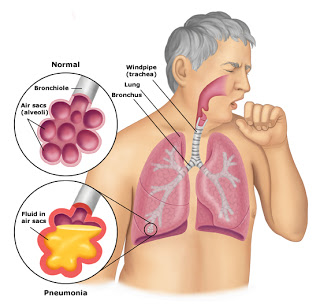
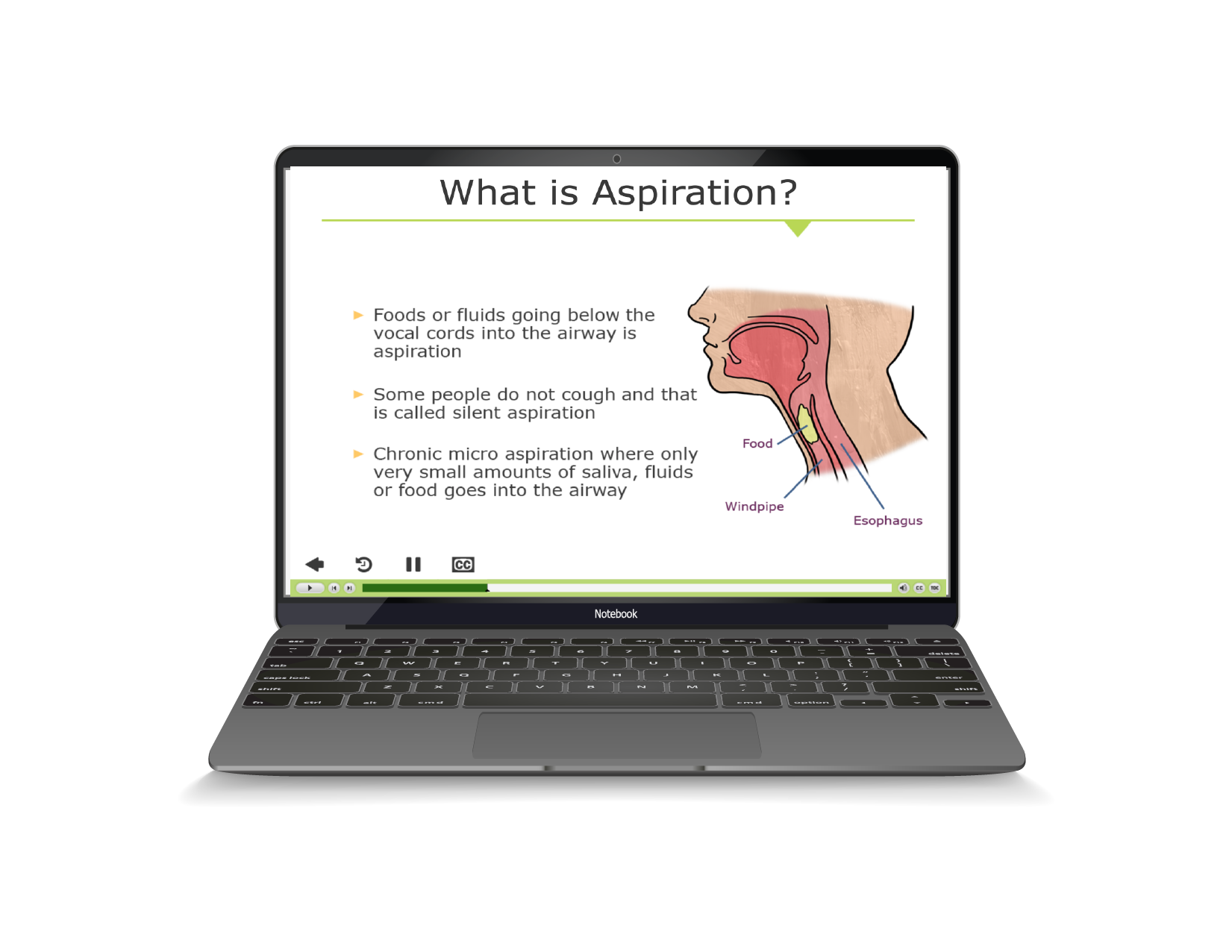
 Aspiration is usually listed as the most common cause of death in institutional settings, including nursing homes and large group care settings for people with IDD. Aspiration pneumonia is a common discharge diagnosis following hospitalization. It occurs when bits of food or liquids make their way into the windpipe instead of into the esophagus where it should be. Aspiration can occur during the swallowing process, but also occurs when stomach contents come back up the esophagus as a result of vomiting or gastroesophageal reflux. It often begins subtly and damages increasing portions of the lungs. Feeding tubes, which carry their own increased risks, are often utilized in an attempt to bypass the swallowing process and reduce aspiration episodes, but are not always entirely effective. Other factors which may lead to aspiration are poor body positioning, particularly in individuals who cannot control their own movements well, and behavioral issues related to eating. One of the most common signs of aspiration is a cough noted during eating or drinking or shortly thereafter. When a cough is noted under these conditions an evaluation should be initiated to look for possible aspiration.
One of the most common signs of aspiration is a cough noted during eating or drinking or shortly thereafter.
 Constipation and Bowel Obstruction are almost always at the top of the list of causes of illness and preventable death in people with IDD. One of the most important root causes of bowel obstruction is the use of multiple drugs with constipating side effects. Add to this the fact that most of us have dietary habits that contribute to the problem, chief among them, diets that are low in fiber and adequate fluids. Lack of mobility is a contributing factor to constipation, as well. We often see people on one or more medications to help improve elimination, but ironically, drugs intended to improve constipation often place the person at higher risk for impaired bowel function. Adequate active movement or exercise is also important to bowel function. Controlling these factors, along with training caretakers to recognize the signs and symptoms of bowel problems at the earliest moment can greatly reduce occurrences of illness or death from bowel obstruction.
 Seizure deaths can occur from episodes of prolonged, uncontrolled seizures as well as something called SUDEP or sudden unexplained death in epilepsy. For reasons that medical science has yet to explain, people who have epilepsy have a higher chance of dying suddenly unrelated to actual seizure activity. Drug toxicity and medication side effects can further impact the health and well-being of people who takethese medications, and the balance between adequately controlling someone’s seizures and the risk of adverse drug reactions must always be at the forefront of the treatment plan. Life expectancy for people with active seizure disorders has been shown to be up to 10 years less than those without epilepsy.
 Dehydration is all too common and easily preventable in most cases. People who do not swallow well are particularly likely to refuse fluids or indicate fear when they get them, often resulting in dehydration. Dehydration is also likely when fluids are restricted in an attempt to prevent incontinence, not realizing that lack of fluids can contribute to constipation and increased seizure frequency, not to mention drug toxicity and other health problems. Awareness of fluid loss through sweating in warm and humid conditions or from loss due to vomiting or persistently elevated blood glucose levels in people with diabetes is important, as well. The presence of fever also increases a person’s fluid needs. Anyone supporting people with IDD should be aware of a person’s fluid requirements and work to ensure that they receive the necessary fluids to prevent dehydration.
 Sepsis, sometimes called “the silent killer” is an ever-present threat to all. Sepsis is a condition which results from a significant infection in the bloodstream and the body’s response to that infection. Early signs of sepsis include fever, chills, rapid heart rate, low blood pressure and mental status changes. Some of these symptoms are common with may illnesses, but one’s index of suspicion should remain high for worsening signs of a serious infection and referral for a medical evaluation should be considered earlier rather than later. The risk of death increases significantly for each hour that passes when sepsis is left untreated. Remember, “When in doubt, send them out!”
Early detection and treatment of these conditions can lead to better health, lower risk of death, and improved quality of life for people with IDD.
 Gastroesophageal reflux disease (GERD) is the backing up of stomach contents, including acid, into the esophagus. GERD is frequently undiagnosed in many people, including those without disabilities, until major harm has been done to the bottom of the esophagus. Medications that cause constipation also contribute to GERD. Individuals who are overweight, particularly when they carry excess weight around the abdomen or wear clothing that is too tight have a higher risk of GERD. Ill-advised dietary choices, immobility and improper positioning also contribute greatly to the incidence of GERD. As this disorder continues without treatment, discreet or frank aspiration, life-threatening gastrointestinal bleeding and esophageal cancer become increasingly common. Recognizing signs of GERD, especially in people who do not communicate with words, is important to reduce the risks associated with this condition. People who exhibit food refusal, coughing when lying down, physical or verbal aggression particularly around meal times, or distress in the middle of the night may be telling you that they are experiencing GERD. Pica, a behavior where people eat things of non-nutritional value, may also be a sign of GERD and should prompt an evaluation.
Early detection and treatment of these conditions can lead to better health, lower risk of death and improved quality of life for people with IDD. Make it a priority to educate yourself, support staff, families, and those with IDD to recognize signs of these conditions and to seek medical consultation at the earliest signs of illness.