
To help assist you in your goal of providing meaningful and effective intellectual disability services, we’ve gathered insight on some of the best tools, approaches, and practices.

We hope the following documentation will help you in understanding intellectual disability and how a person-centered approach to health and wellness can make all of the difference in supporting those with IDD.

Diagnosing intellectual disability is just the start of providing adequate support. IDD services help address the unique needs of these individuals, with data-driven tools that allow those with IDD to live more productive and more independent lives.

What Does IDD Stand For?


An IDD, or intellectual-developmental disability, involves differences in a person’s intellectual functioning as well as limitations in social and practical daily life skills. These symptoms are usually present at birth or appear at an early age and are considered to be life-long.

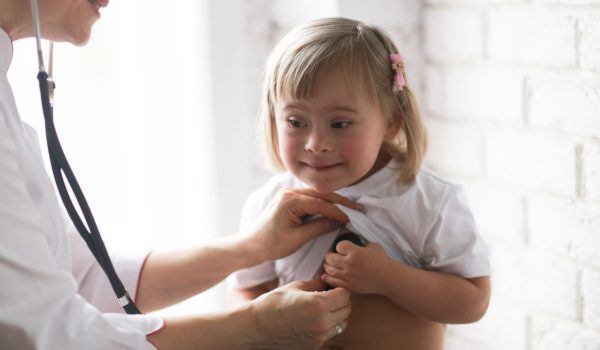
Cardiologist listens to the heart of a child with Down syndrome, the concept of health and medical examination of children with special needs
Interesting Facts About Intellectual Disabilities


There are a lot of misconceptions about those with intellectual and developmental disabilities. To help spread awareness, we’ve compiled some facts to help set the record straight.

two ladies playing with dog


  • In the United States, a conservative estimate is that 4.6 million people in the US have been diagnosed with a disability. Some studies indicate that the number is much higher. 

  • To date, we’ve discovered more than 250 different causes of intellectual disabilities.

  • Genetics are behind IDDs in just 25% of cases.

  • Among adults with intellectual disabilities, 92% live independently or with family members.


Having an intellectual or developmental disability doesn’t mean that someone is unable to live a full life. What it does mean however is that specialized support is often required, including a person-centered thinking approach that allows those with IDD to have a voice in their support decisions.

In addition to offering tools for the support of people with IDD—including the widely used Health Risk Screening Tool —we’re proud to contribute to the discourse with articles and resources that provide key insights on ensuring people with an intellectual disability receive the best support and healthcare possible.

Assessments

An assessment is crucial in diagnosing and serving the needs of individuals with an intellectual or developmental disability.

Diagnostic Assessments

A diagnostic assessment is designed to define an individual with IDD’s specific needs, including both their limitations and their strengths. This assessment is the foundation for providing all affected individuals with the proper level of support.

Service Assessments

Service assessments take the diagnostic assessment a step further by providing the information that’s essential for personalized support. These include health recommendations based on an individual’s specific risk factors and qualifications.

Free Downloadable Resources

Check out these 8 quick tips for supporters to make the most of the clinician appointment—before, during, and after. From understanding the purpose of the visit to ensuring follow-up steps are communicated clearly, these reminders can make a real difference.

Click HERE to Download

People with intellectual and developmental disabilities (IDD) will be voting!

Here are some tips for making voting more inclusive.
CLICK HERE TO DOWNLOAD.

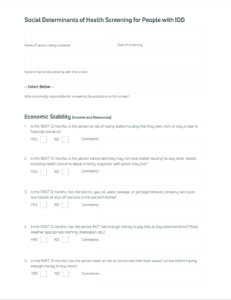
This Social Determinants of Health Screening for People with IDD (SDOH-PWIDD) developed by IntellectAbility’s Clinical Advisory Team is a screening tool to assist in identifying non-medical factors that influence health outcomes specifically tailored to people with intellectual and developmental disabilities (IDD).

The questions are intended to be answered by the supporters of the person with IDD and the person being screened to the maximum extent possible. Any “Yes” answer indicates risk in that area and should be evaluated further, documenting the details and reasons for the risk.

The information can then be used to develop a plan to address the identified risk and included in the person’s health support plan. Annual screening is recommended.

Download this fillable PDF and start using it today!
CLICK HERE TO DOWNLOAD

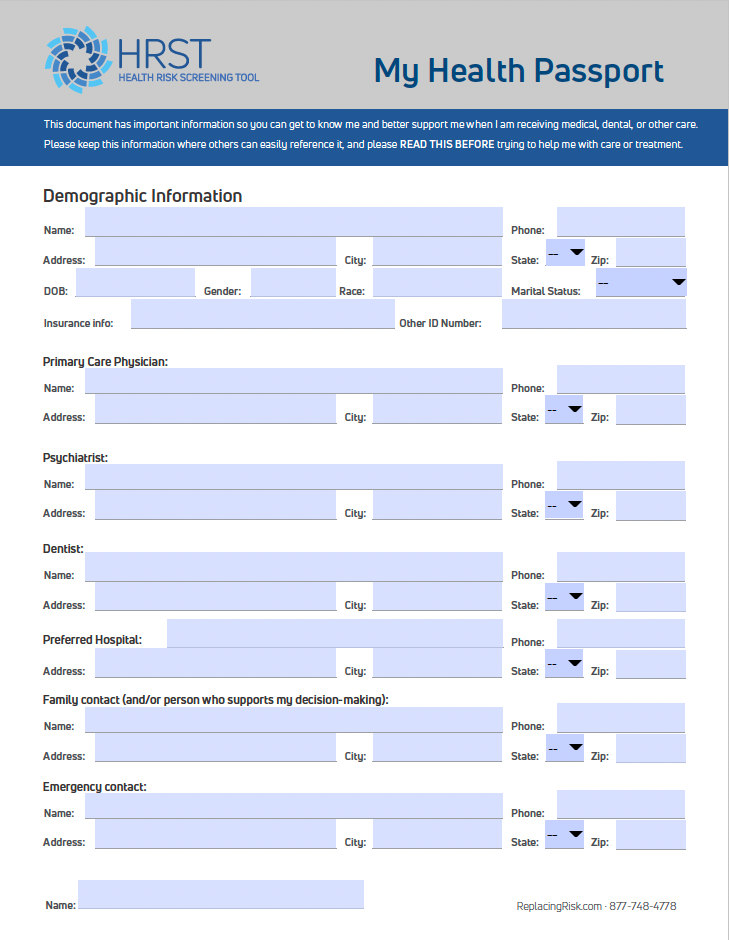
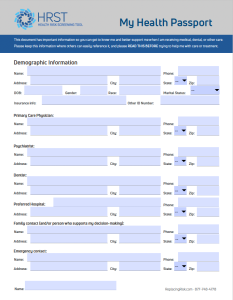
Besides providing basic health information, this fillable pdf can be utilized to convey important social information that facilitates knowing and understanding a person.

Download this fillable PDF and start using it today!

CLICK TO DOWNLOAD (ENGLISH)

DESCARGAR (SPANISH)

ჩამოტვირთვა (GEORGIAN)

A Seizure Record is a simple tracking form that helps supporters and providers document seizure activity, symptoms, and follow-up care.
Download Here

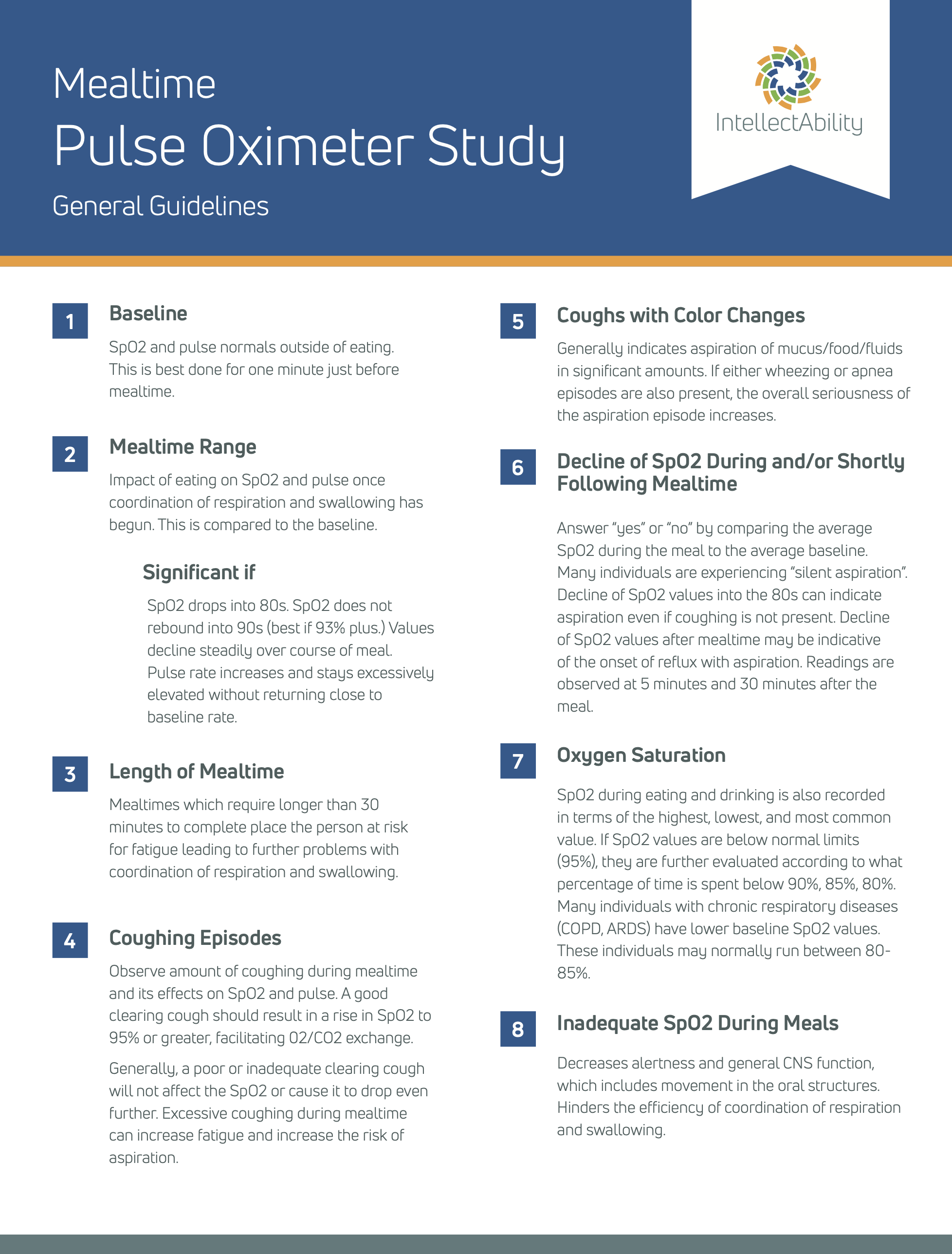
This 3-page document details how to perform a mealtime pulse oximetry study to assist in identifying aspiration during or after eating.
CLICK TO DOWNLOAD


Outdoor activities are an important part of life. Here is an informational pdf containing helpful data for you and the people you support with disabilities to consider to make the great outdoors more enjoyable for all during the warmer weather.
CLICK TO DOWNLOAD

Outdoor activities are an important part of life. Here is an informational pdf containing helpful data for you and the people you support with disabilities to consider to make the great outdoors more enjoyable for all during the colder weather months.
CLICK TO DOWNLOAD

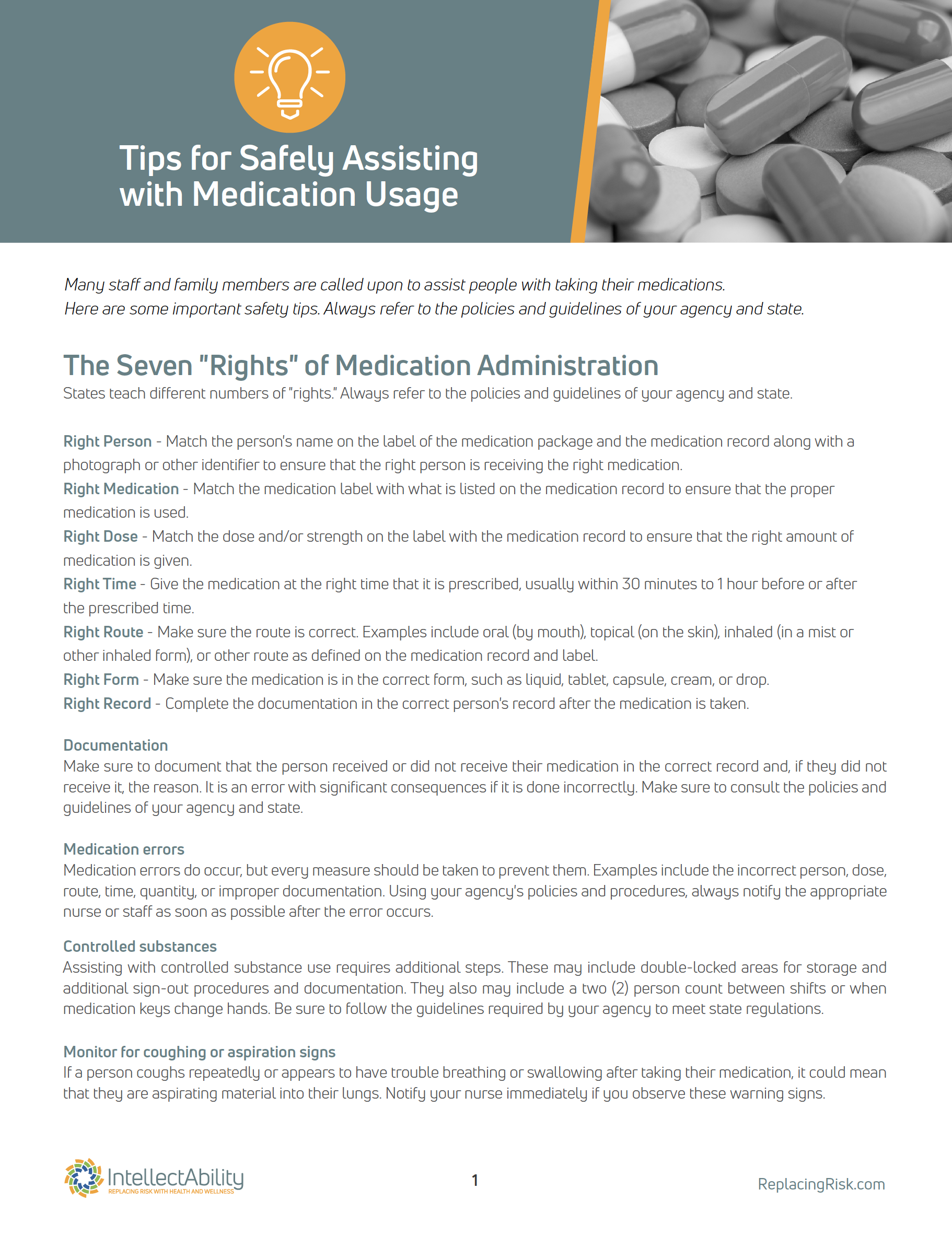
Many staff and family members are called upon to assist people with taking their medications. Medications have many useful benefits. It is vital to ensure that they are used safely and to monitor for any adverse effects to help people receive the most benefit with the least risk. Download this pdf for some important safety tips.

CLICK TO DOWNLOAD.

Always refer to the policies and guidelines of your agency and state.


Download this informational pdf for helpful information on the signs and symptoms of depression, anxiety and loneliness in people with IDD and things you can do to alleviate and provide effective support.

CLICK TO DOWNLOAD

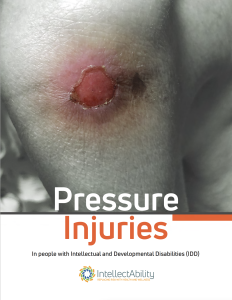
Some people with IDD may have physical or communication differences that make them more susceptible to skin pressure injuries. The information in this 15-page pdf pamphlet is presented to help supporters understand, identify, and prevent pressure injuries in people with IDD.

CLICK TO DOWNLOAD

Click to download this free pdf of Clinical Pearl #30: Down Syndrome from “Clinical Pearls in IDD Healthcare” to help provide better healthcare to those you support. Share it with providers and clinicians.

Click here to purchase the book Clinical Pearls in IDD Healthcare

CLICK TO DOWNLOAD PDF

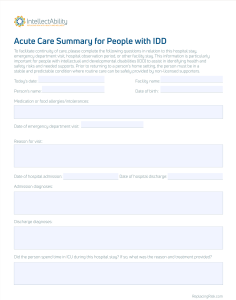
This document assists in gathering important clinical information after a person experiences a hospital stay, emergency department visit, or other facility stay.

CLICK TO DOWNLOAD

This 10-page document describes commonly seen medication effects by drug class and how they may appear in people with IDD.

CLICK TO DOWNLOAD

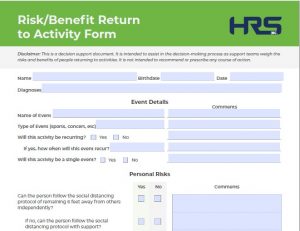
Our Clinical Advisory Team has developed an assessment to help you balance what is important TO and FOR the person in terms of returning to activities. This document is a person-centered guide to help ensure you take as many factors as possible into account when supporting people in making these decisions.

CLICK TO DOWNLOAD

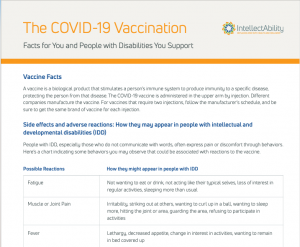
Download this important informational pdf on the COVID-19 Vaccination. It contains useful facts for you and the people with disabilities you support. Created in partnership with Irwin Siegel Agency on 1/14/2021.

CLICK TO DOWNLOAD

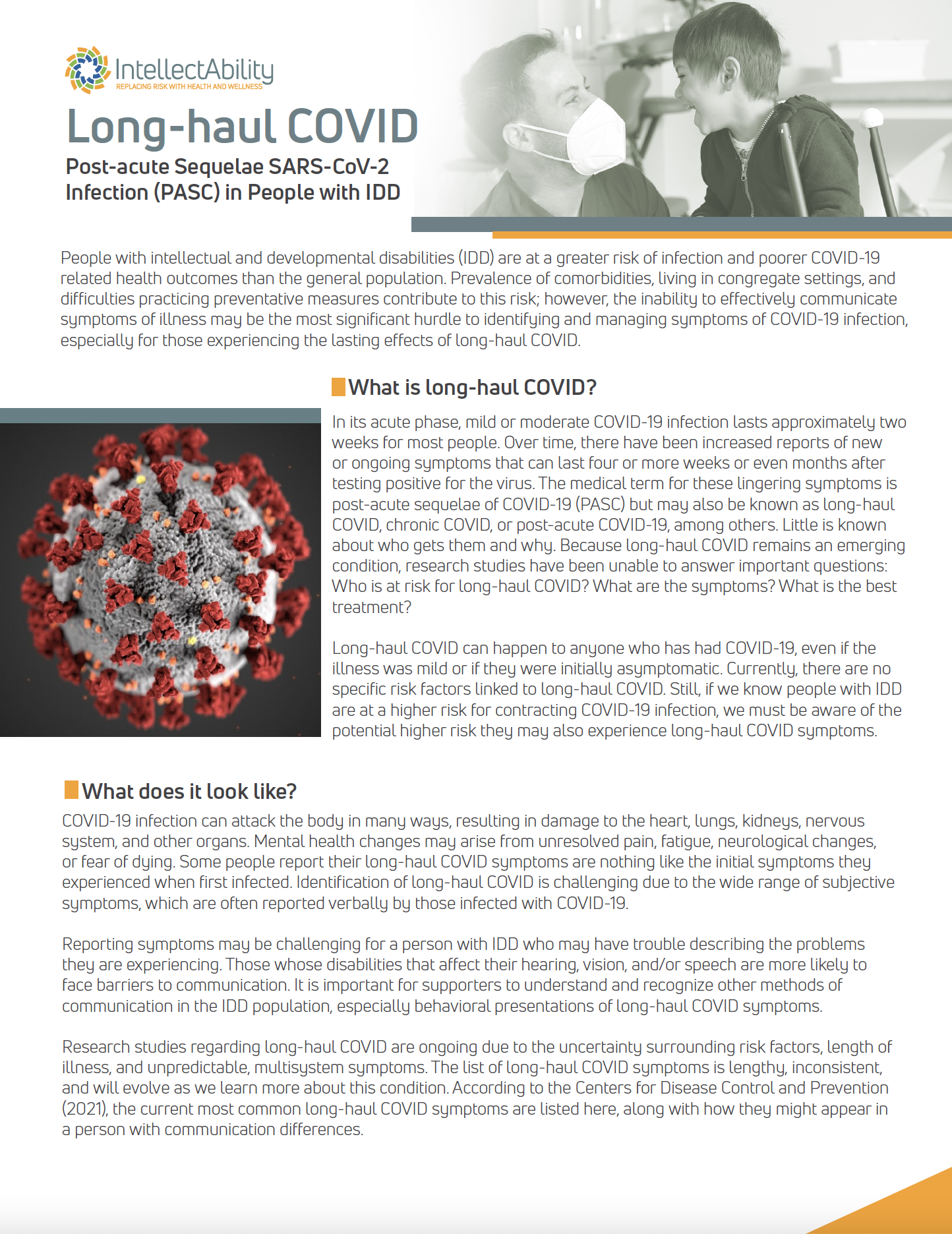
People with intellectual and developmental disabilities (IDD) are at a greater risk of infection and poorer COVID-19 related health outcomes than the general population. Prevalence of comorbidities, living in congregate settings, and difficulties practicing preventative measures contribute to this risk; however, the inability to effectively communicate symptoms of illness may be the most significant hurdle to identifying and managing symptoms of COVID-19 infection, especially for those experiencing the lasting effects of long-haul COVID.

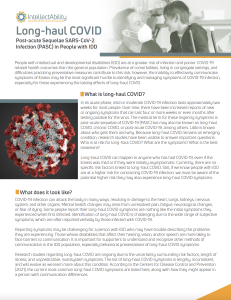
CLICK TO DOWNLOAD our six-page informational packet on long-haul COVID signs and symptoms in people with IDD.

Always refer to the policies and guidelines of your agency and state.

Long-haul COVID in People with IDD

People with intellectual and developmental disabilities (IDD) are at a greater risk of infection and poorer COVID-19 related health outcomes than the general population. Prevalence of comorbidities, living in congregate settings, and difficulties practicing preventative measures contribute to this risk; however, the inability to effectively communicate symptoms of illness may be the most significant hurdle to identifying and managing symptoms of COVID-19 infection, especially for those experiencing the lasting effects of long-haul COVID.

Download our six-page informational packet on long-haul COVID signs and symptoms in people with IDD.

Always refer to the policies and guidelines of your agency and state.

Tips for Safely Assisting with Medication Usage

Many staff and family members are called upon to assist people with taking their medications. Medications have many useful benefits. It is vital to ensure that they are used safely and to monitor for any adverse effects to help people receive the most benefit with the least risk. Download this pdf for some important safety tips.

Always refer to the policies and guidelines of your agency and state.
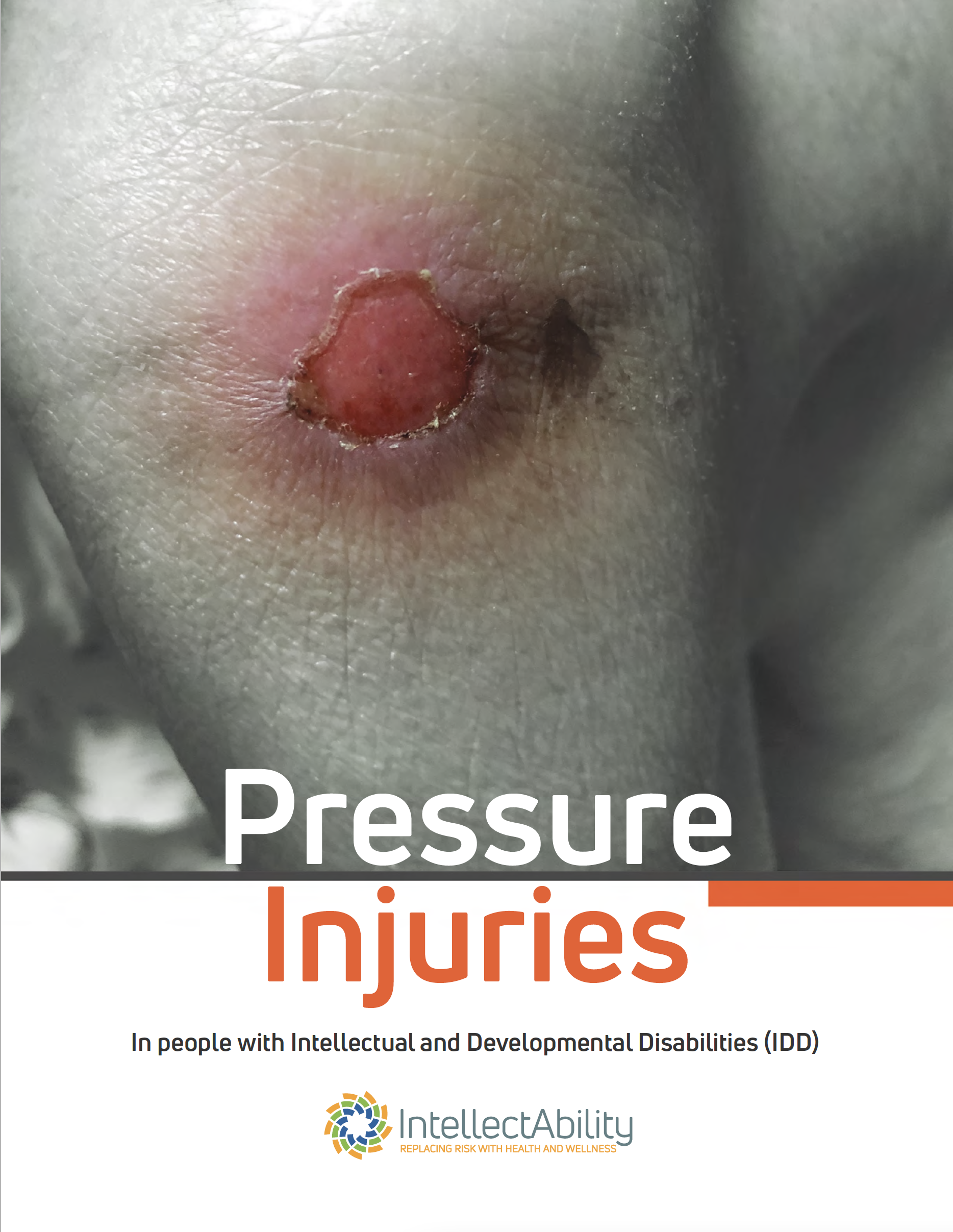
Pressure Injuries in People with IDD

Some people with IDD may have physical or communication differences that make them more susceptible to skin pressure injuries. The information in this 15 page pdf pamphlet is presented to help supporters understand, identify, and prevent pressure injuries in people with IDD.
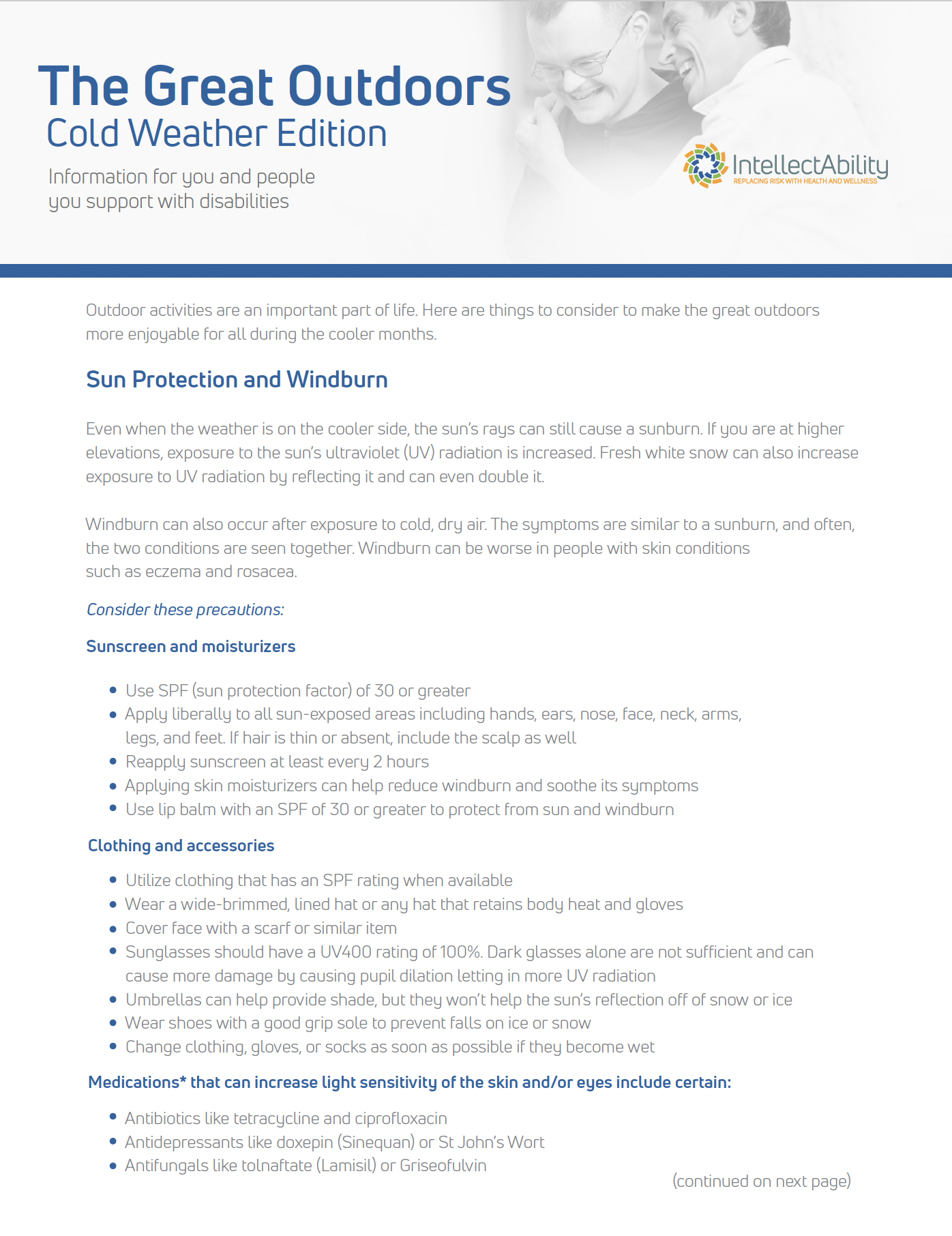
The Great Outdoors - Cold Weather Edition

Outdoor activities are an important part of life. Here is an informational pdf containing helpful data for you and the people you support with disabilities to consider to make the great outdoors more enjoyable for all during the colder weather months.

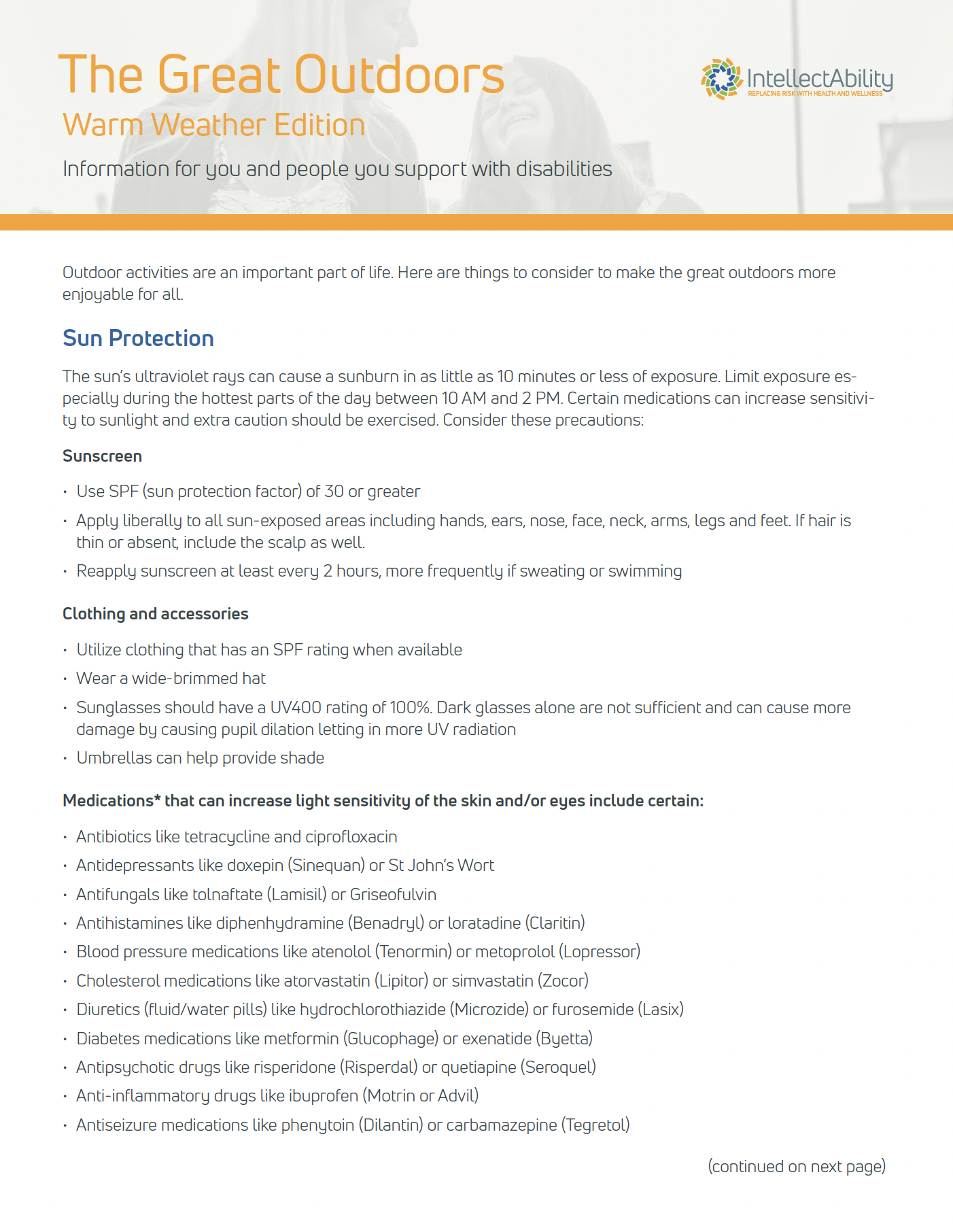
The Great Outdoors - Warm Weather Edition

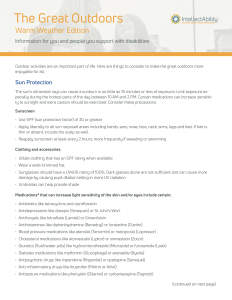
Outdoor activities are an important part of life. Here is an informational pdf containing helpful data for you and the people you support with disabilities to consider to make the great outdoors more enjoyable for all during the warmer weather.

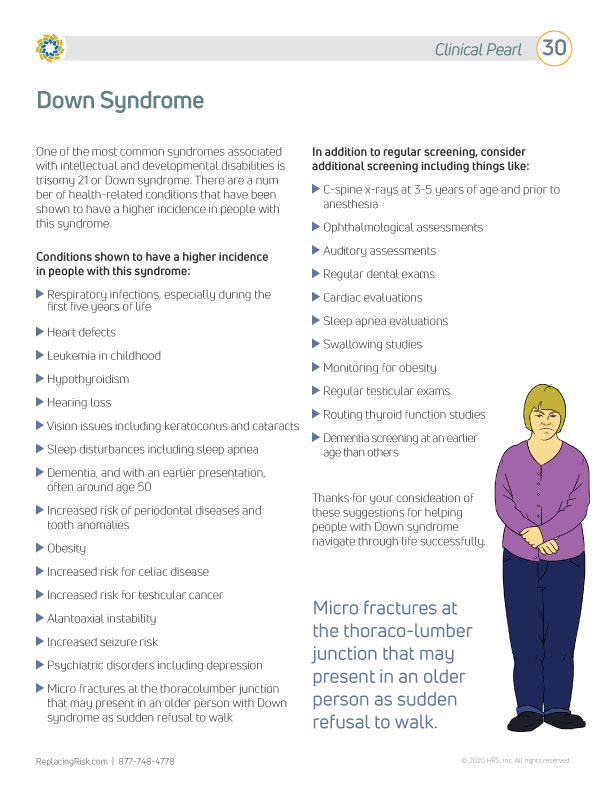
Clinical Pearl #30 - Down Syndrome

Click to download this free pdf of Clinical Pearl #30: Down Syndrome from “Clinical Pearls in IDD Healthcare” to help provide better healthcare to those you support. Share it with providers and clinicians.

Click here to purchase the book “Clinical Pearls in IDD Healthcare”. 

HRST Health Passport

Besides providing basic health information, this fillable pdf can be utilized to convey important social information that facilitates knowing and understanding a person.

Download this fillable PDF and start using it today!

IntellectAbility Articles

Pennsylvania ODP: What Is Changing in Supports Coordination Standards? (And What It Means for Your Team)

Pennsylvania ODP: What Is Changing in Supports Coordination Standards? (And What It Means for Your Team)   Pennsylvania is entering a major shift in how Supports Coordination services are evaluated, and for many providers, the biggest challenge is understanding what’s actually happening. The Office of Developmental Programs (ODP) has introduced performance-based contracting standards, fundamentally changing how services are measured, monitored, and held accountable. The impact of these changes is: How your team works day to day is now directly tied to performance. This guide breaks it all down, including what’s changing, what it means, and how to prepare. Introduction to Supports Coordination   Supports Coordination is at the heart of Person-Centered Thinking, serving as the bridge between people and the services that empower them to lead fulfilling lives. By focusing on each person’s unique needs, preferences, and values, Supports Coordination
Read More >

Filter By:

Person-Centered Thinking Training vs. Trauma-Informed Support: Which eLearn Course Is Better for Mental Health Awareness?

Person-Centered Thinking Training vs. Trauma-Informed Support: Which eLearn Course Is Better for Mental Health Awareness?   IntellectAbility’s Person-Centered Thinking Training: Supporting People with IDD eLearn course and Trauma-Informed Support eLearn course both impact mental health outcomes, staff competency levels, and support quality for people with intellectual and developmental disabilities. The right course depends on your organization’s current needs, staff experience,
Read More >

The Health Risk Screening Tool (HRST®): Changing Outcomes for People with IDD by Detecting Risks Earlier

The Health Risk Screening Tool (HRST®): Changing Outcomes for People with IDD by Detecting Risks Earlier   Providers supporting people with intellectual and developmental disabilities (IDD) know that health issues rarely appear overnight. In many cases, subtle changes in behavior, energy, mobility, appetite, or routine may signal an emerging medical concern. These changes can be early indicators of illness or
Read More >

Dental Health for People with IDD: Why Prevention, Access, and Support Matter More Than Ever

Dental Health for People with IDD: Why Prevention, Access, and Support Matter More Than Ever Oral health remains one of the most critical yet frequently overlooked components of overall well-being for individuals with intellectual and developmental disabilities (IDD). Present from birth, IDDs can profoundly shape an individual’s development across every stage of life. Though often treated as peripheral to broader
Read More >

Rethinking Autism Support: Person-Centered Support in Practice  

Rethinking Autism Support: Person-Centered Support in Practice   April is Autism Awareness Month, which brings important visibility to the experiences of people with autism. For many families, providers, and supporters, awareness alone does not answer the question that they face every day: what does meaningful, person-centered support actually look like in practice? Autism Spectrum Disorder (ASD) is a complex neurodevelopmental
Read More >

Rural Health Transformation Program: What Healthcare Reform Means for Access, Coverage, and Disability in Rural America

Rural Health Transformation Program: What Healthcare Reform Means for Access, Coverage, and Disability in Rural America   Across rural America, healthcare reform is no longer theoretical. It’s happening in real time. The Rural Health Transformation Program (RHTP) is driving billions of dollars into rural health systems, with the goal of improving access, expanding coverage, and strengthening healthcare providers across rural
Read More >

The Health Risk Screening Tool (HRST®): Changing Outcomes for People with IDD by Detecting Risks Earlier

The Health Risk Screening Tool (HRST®): Changing Outcomes for People with IDD by Detecting Risks Earlier   Providers supporting people with intellectual and developmental disabilities (IDD) know that health issues rarely appear overnight. In many cases, subtle changes in behavior, energy, mobility, appetite, or routine may signal an emerging medical concern. These changes can be early indicators of illness or
Read More >